We may earn a commission when you buy through links on this page, at no extra cost to you. How this works.
Brown crispy tips on houseplant leaves are almost always caused by watering inconsistencies, tap water chemicals, low humidity, or fertilizer buildup - and the good news is that every one of these problems can be fixed without expensive equipment or advanced expertise. If you've felt guilty watching your plants develop those telltale dry, brown edges despite your best intentions, you're not alone, and you're not a bad plant parent. Most brown tip issues stem from invisible stressors in the plant's immediate environment, not from anything you did wrong on purpose.
The four most common culprits are underwatering or inconsistent watering schedules, chlorine and fluoride in tap water, indoor air that's too dry, and excess fertilizer salts in the soil. Each cause leaves slightly different clues on the plant, and once you know what to look for, diagnosing the problem becomes straightforward. The diagnostic process involves checking soil moisture an inch below the surface, observing whether brown tips appear on new growth or old leaves first, noting whether edges curl or stay flat, and reviewing your watering and fertilizer routines over the past few weeks.
Most fixes cost under twenty-five dollars or require only changes to your existing routine. Switching to filtered or room-temperature tap water that has sat out overnight, adjusting your watering frequency based on soil dryness rather than a fixed schedule, and flushing accumulated salts from the soil with plain water are all free or nearly free interventions. A small humidifier or pebble tray can address dry air for less than the cost of replacing a damaged plant. The key is accurate diagnosis first, then targeted action, so you're not guessing or applying every possible solution at once and creating new stress for the plant.
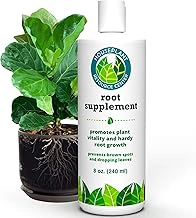
Amazon.com : Root Rot Repair for Houseplants – Root Supplement & Recovery Drops for Overwatering or Shock | Heals Roots, Prevents Yellowing, Brown Spots & Dropping Leaves (8 oz) : Patio, Lawn & Garden
When brown crispy tips appear alongside yellowing leaves, wilting, or soggy soil, the root system may need targeted support while you correct watering habits. Root Rot Repair for Houseplants is an 8 oz liquid supplement designed to support recovery in plants showing multiple stress symptoms from overwatering or transplant shock. Priced at $22.49 and rated 4.5 out of 5, this product addresses root health rather than leaf cosmetics alone.
The formula works as a supplement to - not a replacement for - improved watering practices. If brown tips stem from chronic overwatering that has damaged roots, applying these drops while you reduce irrigation frequency and improve drainage can help the plant stabilize. The 8 oz bottle provides enough volume for treating several plants or supporting one struggling specimen over multiple applications.
This product fits situations where brown tips are part of a broader symptom cluster: mushy stems, foul soil odor, or leaves that yellow and drop in addition to browning at the edges. If your plant shows only crispy tips with no other distress signals, address watering schedule, humidity, or water quality first. Root Rot Repair is most useful when root damage has already occurred and the plant needs help rebuilding its foundation while environmental conditions improve.
The 4.5 rating reflects user experience with multi-symptom recovery, though results depend on catching root stress early and pairing the drops with corrected care. Verify current price and read reviews to confirm the symptom profile matches your plant's specific distress signals before purchasing.
- ✅ 8 oz size suitable for multiple plants or extended treatment
- ✅ Supports recovery from overwatering and transplant shock
- ✅ 4.5 out of 5 rating for multi-symptom support
- ⚠️ Works alongside corrected watering, not as a standalone fix
- ⚠️ Most effective when root damage is caught early
- ⚠️ Not needed if brown tips are the only symptom
The Four Main Causes of Brown Crispy Leaf Tips
Brown crispy tips on houseplant leaves usually come down to four main causes: inconsistent watering, tap water chemicals, low humidity, or fertilizer salt buildup. Identifying which one is affecting your plant helps you fix the problem instead of guessing.
Inconsistent watering - especially underwatering - is the most common culprit. When roots can't draw enough moisture, the plant pulls water away from leaf tips first. You'll often see dry, crunchy tips paired with soil that pulls away from the pot edges or feels bone-dry several inches down. Overwatering can also cause brown tips, but they'll usually feel softer and appear alongside yellowing leaves or a musty soil smell.
Tap water chemicals, particularly fluoride and chlorine, accumulate in leaf tissue over time. Spider plants, dracaenas, and calatheas are especially sensitive. The browning starts at the very tip and creeps inward in a narrow band. If you water with tap water and see this pattern on sensitive species, chemicals are likely the issue.
Low humidity causes moisture to evaporate faster from leaf edges than the plant can replace it. Tips turn brown and crispy, sometimes with a papery curl. You'll notice this more in winter when indoor heating drops humidity below 30 - 40%. Tropical plants like ferns, calatheas, and prayer plants show symptoms first.
Fertilizer salt buildup creates a white or tan crust on the soil surface or around drainage holes. Salts draw moisture out of leaf tips, causing browning that may appear alongside stunted growth or leaf edges that look scorched. This happens when you fertilize too often, use too strong a concentration, or don't flush the soil periodically.
Check your watering routine, water source, room humidity, and fertilizing habits against these clues to pinpoint which cause matches your plant's symptoms.
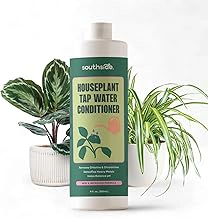
Southside Plants Tap Water Conditioner for Houseplants & Hydroponics
If chlorine or chloramine in your tap water is contributing to brown crispy tips, the Southside Plants Tap Water Conditioner offers a budget-friendly way to neutralize these chemicals without investing in a filtration system. Priced at $17.99 and rated 4.6 out of 5, this conditioner is designed for houseplants and hydroponic setups where tap water quality matters but volume demands make bottled or distilled water impractical.
The product works by treating tap water before you use it, removing chlorine and chloramine that can accumulate in soil and stress sensitive plants over time. For households with multiple plants or frequent watering schedules, the cost per gallon treated makes this a more economical choice than buying gallons of distilled water weekly. It's straightforward to use: add the recommended amount to your watering can or reservoir, wait briefly, then water as usual.
This conditioner fits best for multi-plant owners who water frequently and suspect their municipal water supply is part of the brown-tip problem. It won't address issues like low humidity, overfertilization, or inconsistent watering habits, so pair it with other fixes if those factors are also present. If you have only a few plants or already use rainwater or filtered water, the value proposition is weaker. The 4.6 rating reflects solid performance for its intended use, though results depend on your baseline water chemistry and plant sensitivity.
Check current price and reviews to confirm it fits your budget and plant count, especially if you're managing a collection that drains several gallons of tap water each week.
- ✅ Affordable at $17.99 compared to ongoing distilled water purchases
- ✅ Neutralizes chlorine and chloramine in tap water
- ✅ Rated 4.6 out of 5 for reliability
- ✅ Easy to use with watering cans or hydroponic reservoirs
- ✅ Cost-effective for multi-plant households with frequent watering
- ⚠️ Does not address humidity, fertilizer buildup, or watering consistency
- ⚠️ Less valuable for small plant collections or those already using filtered water
- ⚠️ Effectiveness depends on your specific tap water chemistry
How to Diagnose Which Cause Is Yours
- Check soil moisture two inches down with your finger - dry soil usually means underwatering
- Look at watering frequency - sporadic schedules cause uneven moisture and tip burn
- Notice if only certain plant types are affected - calatheas, dracaenas, spider plants are sensitive to tap water chemicals and low humidity
- Check if crispy tips appear after fertilizing - salt buildup shows as brown edges starting at tips
- Measure room humidity if you have a hygrometer - below 40% often triggers tip browning in tropical plants
- Inspect older leaves first - natural aging causes some tip browning and isn't fixable
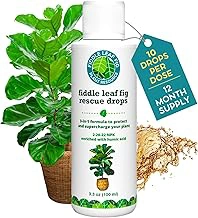
Amazon.com : Fiddle Leaf Fig Rescue Drops – Treats Root Rot, Brown Spots, Leaf Drop & Stress | Immune Boosting Liquid Formula Concentrate | Easy to Use | Safe for All Tropical Plants | 3.3 oz | Made in USA : Patio, Lawn & Garden
If you keep a small collection of high-value tropical plants - fiddle leaf figs, monsteras, or similar statement houseplants - the Fiddle Leaf Fig Rescue Drops offer a concentrated formula designed to address stress symptoms including brown spots and leaf drop. Priced at $20.70 for a 3.3 oz concentrate, this product sits at the premium end of the plant care spectrum and makes the most sense when you're troubleshooting a prized plant rather than treating an entire indoor garden.
The concentrate format means a little goes a long way, and the formula is marketed as safe for all tropical plants, not just fiddle leaf figs. Users give it a 4.4 out of 5 rating, which suggests consistent results for the target audience. Because it's a concentrate, you'll dilute it according to package directions, making it more economical per use than ready-to-spray options - but only if you have the patience to mix and measure.
This product fits best when you've already identified stress symptoms and want a targeted intervention for a handful of plants. If you're managing dozens of houseplants or looking for a preventive routine across mixed species, a simpler, lower-cost fertilizer or soil amendment will offer better value. The rescue drops are about triage: you're paying for a specialized formula when a favorite plant shows distress and you want a fast-acting option without repotting or other labor-intensive fixes.
Check current price and reviews to see if the concentrate format and tropical focus fit your collection.
- ✅ Concentrated formula offers better value per use for small collections
- ✅ 4.4 rating reflects consistent performance for tropical plants
- ✅ Safe for fiddle leaf figs, monsteras, and similar high-value houseplants
- ✅ Made in USA with easy-to-follow dilution instructions
- ⚠️ At $20.70, premium pricing makes it less practical for large plant collections
- ⚠️ Requires mixing and measuring rather than ready-to-use convenience
- ⚠️ Best suited for targeted intervention, not routine maintenance across multiple species
Fix 1: Adjust Your Watering Routine
Inconsistent watering is the most common cause of brown crispy tips on houseplant leaves, and adjusting your routine costs nothing while delivering fast results. Most houseplants develop tip burn when the soil swings between bone-dry and waterlogged, because roots can't maintain steady moisture delivery to leaf edges. A simple weekly moisture check prevents this cycle and keeps foliage healthy without any special tools.
Press your finger two inches into the potting mix before you water. If the soil feels dry at that depth, water thoroughly until excess drains from the bottom of the pot, then wait until the top two inches dry out again before the next watering. This approach gives roots consistent access to moisture while preventing the salt buildup and root stress that cause crispy tips. Shallow daily spritzes or erratic heavy soaking both disrupt this balance and show up as browning within days.
Different houseplants dry at different rates depending on pot size, light exposure, and season, so the interval between waterings will vary. A snake plant in low light may need water every three weeks, while a pothos near a sunny window might dry out in five days during summer. Check the soil rather than following a rigid schedule, because guessing leads to the exact inconsistency that damages leaf tips.
If your plant already has brown tips, trim them with clean scissors at a slight angle to match the natural leaf shape, then stick to the two-inch rule going forward. New growth will emerge without crispy edges as long as the watering pattern stays steady, and you'll see improvement within two to three weeks as the plant stabilizes.
Fix 2: Switch to Filtered or Conditioned Water
Tap water contains chlorine, fluoride, and dissolved minerals that accumulate in potting soil over time, particularly damaging sensitive plants like calatheas, spider plants, dracaenas, and peace lilies. These chemicals burn leaf margins and tips even when watering frequency is correct, because the salts concentrate at the edges where moisture evaporates fastest.
You have three practical options to reduce chemical buildup without spending much. The simplest is letting tap water sit in an open container for 24 hours before watering - chlorine will evaporate, though fluoride and heavy minerals remain. For a more complete solution, a basic aquarium water conditioner (typically under $20) neutralizes chlorine, chloramine, and some heavy metals in seconds. Filtered water from a pitcher or reverse-osmosis system removes nearly all dissolved solids, making it the best choice for highly sensitive species, though it requires the most upfront investment.
If you're already seeing brown tips, this water switch won't repair damaged leaves but will protect new growth. Trim the crispy tips with clean scissors just above healthy green tissue, cutting at a slight angle to mimic the natural leaf shape. The change in water quality typically shows results within two to three weeks as fresh foliage emerges without the telltale browning, proving your soil is no longer accumulating harmful salts.
Fix 3: Boost Humidity Around Your Plants
Low humidity is one of the most common reasons houseplant leaves develop brown, crispy tips, especially during winter when indoor heating drops moisture levels well below what tropical plants need. Most popular houseplants - pothos, ferns, calatheas, and spider plants - evolved in environments with 50 - 80% relative humidity, while the average heated home in winter hovers around 20 - 30%. When the air is too dry, plants lose moisture through their leaf tips faster than their roots can replace it, causing the edges to desiccate and turn brown.
The good news: you can raise humidity around your plants without spending a dollar. Start by grouping plants together on a table, shelf, or plant stand. As each plant transpires, it releases moisture into the air, and the combined effect creates a slightly more humid microclimate that benefits the entire cluster. This method works best when you have at least three or four plants close together.
Another budget-friendly fix is the pebble tray. Fill a shallow tray or dish with a layer of pebbles or small stones, add water until it sits just below the top of the pebbles, then place your potted plant on top. As the water evaporates, it increases humidity immediately around the plant. Just make sure the pot底部 doesn't sit directly in water, or you'll risk root rot. Refill the tray as the water evaporates, typically every few days depending on your home's conditions.
Misting can provide a temporary humidity boost, but it's not a long-term solution. The moisture from a spray bottle evaporates within minutes, so unless you're misting multiple times a day, the effect is minimal. Misting can also leave water spots on leaves and, if overdone in low-light or poorly ventilated spaces, may encourage fungal issues. Use it as a supplemental step, not your primary humidity strategy.
Check your plant's location, too. Avoid placing humidity-loving plants directly next to heating vents, radiators, or air conditioning units, all of which blow dry air and accelerate moisture loss. Moving a plant just a few feet away from a heat source can make a noticeable difference in how quickly leaf tips dry out. If your plant is currently near a vent and showing brown tips, relocate it to a spot with more stable air flow and observe whether new growth stays green and healthy.
These no-cost or low-cost methods - grouping, pebble trays, mindful placement - are practical first steps that work for most common houseplants and help you address the humidity problem before considering a humidifier or more involved changes.
Fix 4: Flush Out Fertilizer Salt Buildup
Fertilizer salt buildup in the soil is a common but often overlooked cause of brown crispy tips on houseplant leaves. When you water plants that have been fertilized regularly, dissolved salts can accumulate around the roots and along the soil surface, sometimes visible as a white or yellowish crust. These salts pull moisture away from root tips and leaf edges, creating the same crispy browning you'd see from underwatering.
Flushing the soil removes this buildup and costs nothing beyond the water itself. To flush your plant, bring it to a sink or tub and water it slowly with room-temperature water - ideally filtered or distilled, though tap water will still help. Let the water run through the drainage holes for several minutes, enough to saturate the entire root ball and carry dissolved salts out the bottom. Wait a few minutes, then repeat the process once or twice more. Let the pot drain completely before returning the plant to its usual spot.
If you see a white crust on the soil surface, gently scrape it off before flushing. This visible layer is a strong indicator that salts have concentrated in the upper soil. After flushing, allow the soil to dry slightly before resuming your normal watering schedule, and consider reducing fertilizer frequency or diluting it to half strength during the growing season.
Flushing every two to three months works well for most houseplants that receive regular fertilizer. Treat it as preventive maintenance rather than an emergency fix - it helps reset the soil environment and supports healthier root function over time. If your plant is already showing crispy tips, flushing won't reverse the damage to existing leaves, but it will protect new growth as it emerges.
When to Use a Root or Plant Rescue Product
Brown crispy tips that appear alongside yellowing leaves, wilting, or a foul smell from the soil often signal a more serious problem: root damage from overwatering or root rot. In these cases, trimming tips and adjusting humidity won't be enough - the plant's root system needs support to recover. A root or plant rescue product can help stabilize a struggling houseplant by encouraging healthier root development and improving nutrient uptake while you correct the underlying watering habit.
These products typically contain beneficial microbes, rooting hormones, or soil conditioners that create a better environment for damaged roots to regenerate. They work best when combined with immediate changes: stop overwatering, improve drainage, and consider repotting into fresh, well-draining soil if the roots are mushy or dark. The rescue product supports recovery, but it cannot replace proper watering practices or fix poor drainage on its own.
If your plant shows only brown tips without other symptoms, a rescue product is usually unnecessary - focus on humidity, water quality, and fertilizer instead. But if you're dealing with compounded stress - drooping stems, widespread yellowing, or soft roots - a targeted root aid can speed up the plant's ability to bounce back. Think of these products as a recovery tool for plants in crisis, not a preventive measure or a substitute for consistent care habits.
Preventing Brown Tips Going Forward
Keeping brown crispy tips from returning is easier - and cheaper - than treating recurring problems. A few simple habits can protect your plants and save you from the frustration of constant trimming and troubleshooting.
Start with a consistent watering schedule tailored to each plant's needs. Check the top inch or two of soil before watering, and water thoroughly when needed rather than giving frequent shallow drinks. This builds healthier roots and reduces the salt buildup that causes tip burn.
If your tap water is high in chlorine, fluoride, or dissolved salts, let it sit in an open container overnight before using it on sensitive plants like spider plants, dracaenas, and prayer plants. Switching to filtered or distilled water for these varieties can eliminate a major cause of brown tips without any other changes.
Flush the soil every few months by running water through the pot until it drains freely from the bottom. This rinses out accumulated fertilizer salts and mineral deposits that collect over time, especially if you fertilize regularly or use tap water.
Keep an eye on humidity, particularly in winter when indoor heating dries the air. Grouping plants together, placing pots on pebble trays with water, or running a small humidifier can make a noticeable difference for tropical species without adding much effort or cost.
Set a weekly plant-check routine: inspect leaves, feel the soil, and look for early signs of stress. Catching a problem when only one or two tips are affected is far simpler than rescuing a plant covered in damage. Prevention isn't about perfection - it's about noticing small changes before they become big issues, and that consistency is what keeps your collection thriving long term.
What to Do With Leaves That Already Have Brown Tips
Brown crispy tips won't turn green again once the tissue has dried out and died. The damage is permanent, but that doesn't mean you need to remove the entire leaf or feel guilty about the appearance. Trimming the brown portions is purely cosmetic - your plant will continue photosynthesizing with the healthy green parts of the leaf.
If the brown tips bother you, use clean, sharp scissors to trim just the damaged edge, following the natural shape of the leaf. Cut at a slight angle to mimic the leaf's original contour, and leave a thin margin of brown rather than cutting into green tissue, which can create new stress. Sterilize your scissors with rubbing alcohol between plants to avoid spreading any potential issues.
Leaving the tips untrimmed is also perfectly fine. The plant isn't harmed by the presence of brown edges, and some gardeners prefer to leave them as a reminder to adjust care habits. Once you've corrected the underlying cause - whether it's watering, humidity, water quality, or fertilizer buildup - new leaves will emerge without brown tips, and older leaves will stop progressing. Focus your energy on creating the right conditions going forward rather than achieving picture-perfect foliage on every leaf.
Simple Next Steps
Brown crispy tips on houseplant leaves are one of the most common indoor gardening problems, and the good news is that most cases can be fixed with simple adjustments to your care routine. Start by working through the diagnostic checklist you reviewed earlier - look at your watering habits, check your tap water quality, measure the humidity near your plants, inspect the soil for salt buildup, and consider whether recent sun exposure or temperature swings might be factors. In most situations, the solution costs nothing and requires only a change in habit rather than a purchase.
Try the free fixes first. If you've been watering inconsistently, set a weekly reminder and water when the top inch or two of soil feels dry. If your home is dry, especially in winter, group plants together or move them away from heating vents to create a slightly more humid microclimate. If you suspect chlorine or fluorine in your tap water, let a jug of water sit out overnight before watering, or switch to filtered or rainwater. These adjustments often reverse the browning within a few weeks as new growth comes in healthy.
Add a targeted product only if habit changes don't resolve the issue. If you've confirmed that hard tap water or fertilizer salt buildup is the root cause, a dechlorinator or soil flush may help. If low humidity persists and grouping plants isn't enough, a small humidifier can make a measurable difference. Before purchasing, check current prices and read recent reviews to confirm the product fits your space and budget - many effective solutions are inexpensive and widely available.
Remember that brown tips are a signal, not a failure. They tell you something in the environment needs tweaking, and once you make that change, your plants will respond. New leaves will grow in without damage, and while the old tips won't repair themselves, you can trim them if you prefer. With a little observation and patience, you'll develop a care rhythm that keeps your houseplants healthy and minimizes stress for both you and your green companions.