We may earn a commission when you buy through links on this page, at no extra cost to you. How this works.
Yellow, soft leaves on your snake plant are rarely a cosmetic problem - they're a distress signal. Understanding what's happening beneath the soil or within the leaf tissue gives you a real path to recovery, and in most cases, you can reverse the damage before it spreads to the entire plant.
Snake plants are marketed as nearly indestructible, but that reputation can work against you. When leaves start yellowing and feel mushy to the touch, the instinct is often to water more or move the plant around. Both can make things worse. The most common culprit is overwatering, which starves roots of oxygen and invites fungal rot. Poor drainage, cold drafts, and compacted soil contribute to the same outcome: roots that can't function, and leaves that collapse from the base up.
Acting early - within the first week or two of noticing soft, discolored tissue - gives you the best chance of saving the plant without losing multiple leaves or needing to buy a replacement. This guide walks you through identifying the specific cause, assessing root health, adjusting your watering routine, and making low-cost fixes to soil and drainage. If you've felt guilty about previous plant losses, this is the moment to turn that experience into better habits. Yellow leaves aren't a verdict; they're feedback you can use.
Who This Guide Is For
This guide is written for anyone who has looked at their snake plant and noticed leaves that are yellowing, soft to the touch, or starting to feel mushy near the base. If you're a newer plant owner who followed a watering schedule without checking the soil first, or if you've been generous with water because you care - this happens more often than you might think, and it's fixable.
You'll also find this useful if you're not sure whether your plant is overwatered or dealing with something else entirely. We'll walk through how to tell the difference between watering issues, root rot, lighting problems, and cold damage so you can make an informed decision about what to do next.
This guide is also for anyone who wants to catch root rot early, before it spreads through the root ball and makes recovery much harder. Snake plants are forgiving, but once the roots turn to mush, the window for saving the plant gets narrower. If you're willing to check the roots, adjust your watering habits, and possibly repot, you can usually turn things around.
Finally, if you're looking for practical, low-cost fixes that don't require specialty products or guesswork, the steps ahead focus on observation, better drainage, and small changes to your care routine that make a real difference over time.
The Most Common Cause: Overwatering and Root Rot
If your snake plant's leaves are turning yellow and soft, overwatering is almost certainly the culprit. Snake plants are succulents native to arid regions, and they store water in their thick leaves. When soil stays wet for too long, the roots can't access oxygen, which suffocates them and triggers root rot. As the roots decay, they lose their ability to support the plant, and the leaves respond by turning yellow, mushy, and sometimes translucent at the base.
This is very different from crispy, brown tips - which usually signal underwatering or low humidity - or the slow, natural yellowing of a single old leaf. Soft, yellow leaves feel limp or squishy to the touch, and they often start at the soil line before spreading upward. If you gently tug on an affected leaf, it may come away easily, revealing dark, mushy roots underneath.
Root rot happens when waterlogged soil creates an anaerobic environment where harmful fungi and bacteria thrive. Once the roots turn black or brown and develop a foul smell, they can no longer absorb nutrients or water. The plant essentially starves, even though the soil is soaking wet. Left unchecked, root rot will spread to healthy roots and can kill the entire plant within weeks.
The good news is that snake plants are resilient. If you catch the problem early - when only one or two leaves are affected - you can usually save the plant by adjusting your watering routine, improving drainage, and trimming away damaged tissue. The key is to act quickly and address the root cause: too much moisture and not enough airflow around the roots.
How to Diagnose Your Snake Plant
- Check soil moisture: press a finger two inches deep - if it's wet or soggy, overwatering is likely
- Inspect the base of yellow leaves: soft, mushy texture confirms rot
- Look at the roots: gently remove plant and check for black, slimy, or foul-smelling roots
- Review your watering schedule: snake plants need water only every 2 - 4 weeks depending on season
- Check the pot: lack of drainage holes traps water and accelerates rot
Other Possible Causes (Less Common)
While overwatering and root rot account for the vast majority of yellowing, soft snake plant leaves, a few less common factors can also affect leaf health. Understanding these secondary causes helps you rule out unlikely scenarios and stay focused on the most probable culprit.
Extreme cold exposure can damage snake plant tissue. If your plant sits near a drafty window, an air conditioner vent, or experiences a sudden temperature drop below 50°F, leaves may yellow and eventually soften. Cold damage typically shows as water-soaked patches or wilting texture, but the mushiness develops more slowly than with root rot. Move the plant to a stable, warmer spot and trim any damaged leaves at the base.
Pest damage from spider mites or mealybugs is rare on snake plants, but when it occurs, feeding sites can cause localized yellowing. Inspect the undersides of leaves and the soil line for webbing, cottony clusters, or tiny crawling insects. Pest damage alone does not usually produce the soft, mushy collapse typical of overwatering - leaves may yellow or develop stippling, but they stay firm unless a secondary infection sets in.
Natural aging of the oldest outer leaves is normal. Snake plants occasionally shed their lowest, most mature leaves as they redirect energy to new growth. These aging leaves turn yellow from the tip downward and may eventually wrinkle, but they do not become soft and waterlogged. If only one or two outer leaves are affected and the rest of the plant looks healthy, this is likely a natural cycle rather than a problem.
In each of these cases, the key difference is texture: cold damage, pests, and aging rarely produce the squishy, collapsed feel that signals root rot. If your yellowing leaves are also soft to the touch, return your attention to watering frequency, soil drainage, and root health - those remain the most reliable fixes.
How to Fix Yellow, Soft Snake Plant Leaves
Once you've confirmed your snake plant has yellow, soft leaves due to overwatering or root rot, the recovery process requires immediate action and patience. The goal is to remove diseased tissue, allow healthy roots to recover, and reset the plant's growing environment.
Stop watering immediately. Do not add any water until you've inspected the roots and completed repotting. Continued moisture will accelerate rot and make recovery much harder.
Remove the plant from its pot. Gently tip the container and slide the root ball out. If the soil is waterlogged and heavy, let excess water drain away. You may need to break apart compacted soil carefully to see the root system clearly.
Inspect the roots. Healthy snake plant roots are white or pale tan and firm to the touch. Rotted roots appear brown or black, feel mushy, and may have a sour smell. Separate the roots gently and identify which sections are still viable.
Trim away all rotted roots with clean shears. Use scissors or pruning shears that have been wiped with rubbing alcohol. Cut back to healthy tissue, even if that means removing a large portion of the root system. It's better to leave a small amount of healthy root than to leave any rot behind, as it will spread.
Remove soft, yellow leaves at the base. These leaves will not recover. Use your shears to cut them cleanly where they meet the rhizome. If the rhizome itself feels soft or shows dark, wet spots, trim those sections away as well, cutting back to firm tissue.
Let the roots and cut surfaces dry. Place the plant on a clean towel or newspaper in a warm, dry spot with good air circulation. Allow it to sit for 24 hours - longer if the roots were very wet. This drying period helps cut surfaces callus over and prevents new rot from starting when you repot.
Prepare a new pot with drainage holes. If reusing the old pot, wash it thoroughly with soap and water, then wipe it down with diluted bleach or rubbing alcohol to remove any fungal spores. Make sure the drainage holes are clear.
Repot in fast-draining soil. Use a cactus or succulent mix, or blend standard potting soil with coarse sand or perlite at a 1:1 ratio. Fill the bottom of the pot with a thin layer of soil, position the plant so the rhizome sits just below the rim, and fill in around the roots. Press gently to stabilize the plant, but do not pack the soil tightly.
Do not water immediately after repotting. Wait 5 to 7 days before giving the plant its first light watering. This waiting period allows any remaining cut surfaces to fully seal and gives the roots time to begin settling into the new soil without sitting in moisture.
Place the plant in bright, indirect light. Avoid direct sun during recovery, as the plant is already stressed. A spot near an east- or north-facing window works well. Keep the room temperature steady and avoid cold drafts.
Monitor new growth over the next few weeks. If the remaining leaves stay firm and you see new shoots emerging from the rhizome, the plant is recovering. If soft spots or yellowing continue to spread, repeat the inspection and trimming process.
This recovery process works for most cases of overwatering and early-stage root rot. The key is acting quickly, cutting away all compromised tissue, and resetting the environment to favor slow, steady root regrowth. Snake plants are resilient and can recover from significant root loss if given the right conditions.
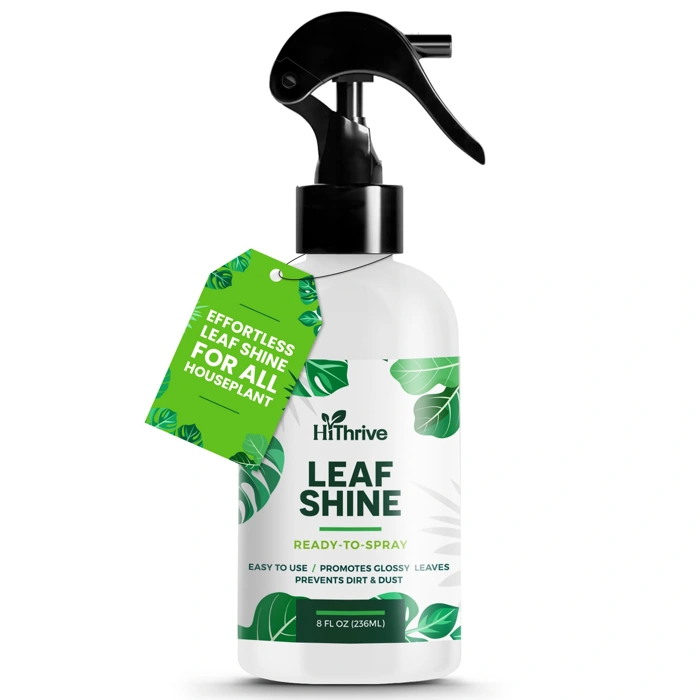
8oz Leaf Shine Spray for Indoor Plants
Once your snake plant has recovered from yellowing and soft leaves, an 8oz leaf shine spray can help remove dust and improve the appearance of healthy foliage. This product is purely cosmetic - it won't fix root rot, drainage problems, or any underlying health issues - but it can restore a clean, polished look to leaves that have stabilized.
Before using any leaf shine product on snake plants, confirm it's safe for succulents and won't clog the leaf pores. Snake plants have thick, waxy leaves that naturally repel dust to some degree, so shine spray is optional and should only be applied to fully healthy leaves. Avoid using it on new growth, damaged areas, or any leaves still recovering from stress.
This is the least essential product for addressing yellow, soft leaves. Focus first on correcting watering habits, improving drainage, and trimming damaged tissue. A shine spray is only useful after the plant is stable and you want to refresh its appearance for display purposes.
- ✅ Affordable at $10.97 for 8oz
- ✅ Helps remove dust from healthy leaves
- ✅ Can improve cosmetic appearance after recovery
- ⚠️ Does not address root rot or watering issues
- ⚠️ May clog pores if overused or applied to stressed leaves
- ⚠️ Not necessary for plant health
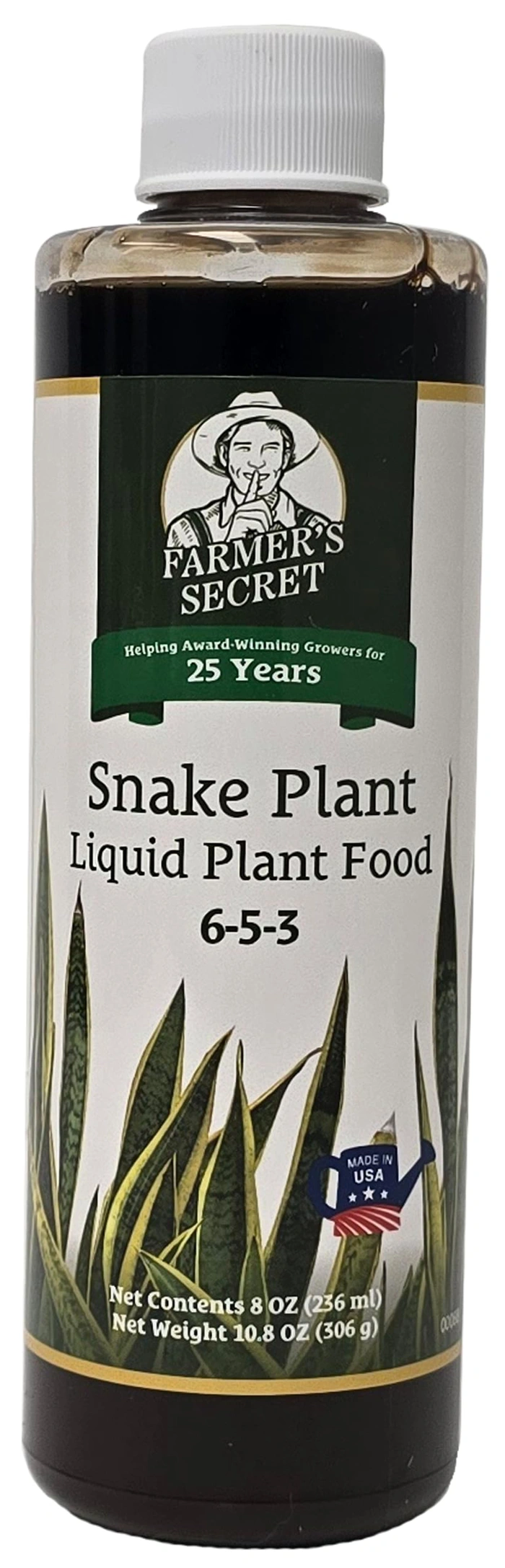
Farmer’s Secret 8oz Liquid Plant Food for Snake Plants
Once your snake plant has been repotted and you see new growth emerging - usually after four to six weeks - Farmer's Secret 8oz Liquid Plant Food can help support recovery. This formula is designed specifically for snake plants and costs $12.99, making it a budget-friendly option for maintaining steady, gentle nutrition.
Timing matters. Do not use fertilizer while the plant is still showing soft, yellow leaves or if root rot is present. Fertilizing a stressed plant can burn fragile roots and worsen the damage. Wait until the soil is dry, the plant has stabilized, and you notice firm, green growth before introducing any plant food.
This liquid concentrate is diluted in water and applied during regular watering, which makes dosing straightforward. Because snake plants are slow growers and prefer lean conditions, use a lighter dose than the label suggests for houseplants in general - typically half-strength every four to six weeks during the growing season. In fall and winter, skip fertilizing entirely.
The 8-ounce bottle lasts several months for a single plant, and the formula won't leave salt buildup if you follow the dilution instructions. Recent reviews mention that clarity on dosage varies, so start conservatively and observe how your plant responds over the next few weeks.
This product works best as part of a recovery routine that already includes proper drainage, infrequent watering, and bright indirect light. It is not a fix for overwatering or rot - it is a maintenance tool for healthy, recovering plants.
- ✅ Formulated specifically for snake plants
- ✅ Budget-friendly at $12.99 for 8 ounces
- ✅ Liquid concentrate allows for easy, flexible dosing
- ✅ Lasts several months when used at half-strength
- ✅ Does not cause salt buildup when diluted correctly
- ⚠️ Should not be used during active stress or rot
- ⚠️ Dosage guidance in reviews varies; start with half-strength
- ⚠️ Only useful after the plant has stabilized and begun new growth

High Drainage Cactus & Succulent Soil Potting Mix - 4 Quarts
This 4-quart potting mix is formulated specifically for cacti and succulents, making it a solid choice for snake plants that need fast drainage to avoid waterlogged roots. The mix is designed to prevent water from sitting around the root zone, which is the most common trigger for yellow, soft leaves caused by overwatering and root rot.
At $39.99 for 4 quarts, this is a premium option compared to standard potting soil. The price reflects the specialized blend and higher drainage performance, and the 4.5 out of 5 rating suggests consistent results across many users. If you're repotting multiple snake plants, dealing with a larger collection, or want maximum assurance that your soil won't hold excess moisture, the investment may be worthwhile.
The 4-quart volume is enough for several medium-sized repottings or one large container. If you only need to repot a single small snake plant, this may be more soil than necessary, but the extra can be stored in a sealed container for future use or shared with other succulents in your collection.
Because this mix prioritizes drainage, you'll want to monitor watering frequency - snake plants in this soil may dry out faster than in heavier blends, especially in warm or low-humidity environments. Pair it with a pot that has drainage holes and a saucer to catch runoff, and water only when the top two inches of soil are completely dry.
- ✅ Formulated for fast drainage to prevent root rot
- ✅ 4.5 out of 5 rating indicates reliable performance
- ✅ 4-quart volume suitable for multiple repottings or larger collections
- ⚠️ $39.99 price point is higher than standard potting soil
- ⚠️ May be more volume than needed for a single small plant
- ⚠️ Fast-draining mix requires closer attention to watering frequency
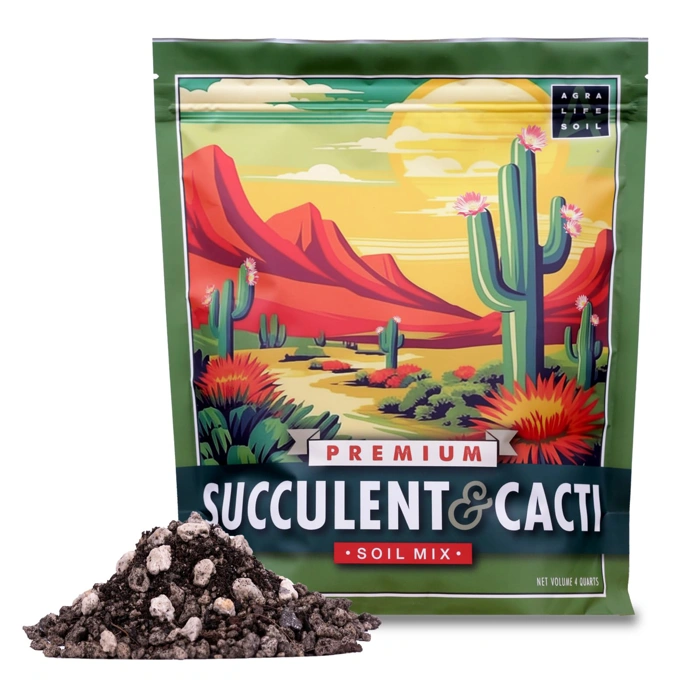
Agra Life Premium Fast-Draining Succulent & Cactus Soil Mix - 4 Quarts
Snake plants need soil that dries out quickly between waterings, and the Agra Life Premium Fast-Draining Succulent & Cactus Soil Mix delivers that in a budget-friendly package. This 4-quart mix is formulated to prevent the waterlogged conditions that lead to yellow, soft leaves and root rot.
The fast-draining formula helps excess water move through the pot instead of sitting around the roots. When you're dealing with yellowing leaves caused by overwatering, switching to a soil like this can make a meaningful difference in how quickly the root zone dries out. At $19.99 for 4 quarts, it's priced competitively for a specialty succulent mix, making it accessible if you're repotting a single snake plant or a few smaller pots.
This soil works well for snake plants because it mimics the gritty, well-aerated conditions these plants prefer in their native habitat. The faster drainage means you have more margin for error with watering frequency, which is especially helpful if you're recovering from an overwatering issue.
Keep in mind that 4 quarts will cover one medium pot or a couple of small ones, so check your pot size before ordering. If you have multiple large snake plants, you may need more than one bag. The mix is ready to use straight from the bag, so you can repot immediately without blending in extra perlite or sand.
- ✅ Fast-draining formula helps prevent waterlogged roots
- ✅ Budget-friendly at $19.99 for specialty succulent soil
- ✅ Ready to use without additional amendments
- ⚠️ 4-quart size may require multiple bags for larger pots
- ⚠️ Limited brand information available
Common Mistakes to Avoid
Even gardeners with good intentions can unknowingly harm their snake plants. Understanding these common missteps helps you avoid repeating them and gives your plant the best chance to recover from yellowing and softness.
Watering on a fixed schedule. Snake plants don't need water every Monday or every two weeks. Soil moisture varies with light, temperature, humidity, and pot size. Always check the soil at least two inches down before watering. If it feels damp or cool, wait a few more days. Watering by calendar rather than need is one of the fastest ways to cause root rot.
Using regular potting soil. Standard houseplant mixes retain too much moisture for snake plants. These succulents need a blend that drains quickly - something closer to cactus or succulent soil. If you've planted yours in heavy, moisture-holding soil, the roots stay wet too long and begin to rot, even if you water sparingly.
Skipping root inspection during repotting. When you move a snake plant to a new pot, take a moment to look at the roots. Healthy roots are firm and white or light tan. If you see black, mushy, or foul-smelling roots, trim them away before replanting. Transferring rotted roots into fresh soil only delays the problem.
Fertilizing a stressed plant. If your snake plant is already yellowing and soft, adding fertilizer won't help it recover. Fertilizer encourages growth, but a plant fighting root rot or overwatering needs to stabilize first. Wait until the plant shows new, firm growth before resuming any feeding routine.
Leaving rotted or yellowing leaves attached. Diseased or dying leaves don't recover. They can harbor bacteria or fungus and drain energy the plant could use to produce new growth. Cut them cleanly at the base with sterilized scissors or pruning shears. Removing compromised tissue helps the plant focus on healthy parts.
Repotting into a pot that's too large. A bigger pot holds more soil, which holds more water. For a snake plant, this increases the risk of overwatering. Choose a pot that's only one to two inches larger in diameter than the root ball, and always make sure it has drainage holes.
Each of these mistakes is easy to make, but just as easy to correct once you know what to watch for. Small adjustments to watering habits, soil choice, and plant care routines make a real difference in keeping your snake plant firm, green, and thriving.
Preventing Yellow, Soft Leaves in the Future
Preventing yellow, soft leaves starts with a consistent watering routine. Wait until the top two inches of soil are completely dry before watering again - you can check by inserting your finger into the soil or using a moisture meter. Snake plants are drought-tolerant and will handle missed waterings far better than excess moisture.
Always use pots with drainage holes. If a decorative pot doesn't have drainage, place a nursery pot with holes inside it and empty any standing water from the outer pot after watering. This simple step prevents water from pooling at the bottom and causing root rot.
Choose a fast-draining soil mix designed for succulents or cacti. These mixes typically contain perlite, sand, or pumice to improve airflow around the roots and help water move through quickly. If you're using standard potting soil, amend it with extra perlite to boost drainage.
Reduce watering frequency during the winter months. Snake plants grow more slowly in cooler temperatures and lower light, so they need less water. In many indoor environments, watering once a month - or even less - is sufficient from late fall through early spring.
Monitor humidity and airflow around your plant. Good air circulation helps soil dry out at a healthy pace and reduces the risk of fungal issues. Avoid placing your snake plant in a closed bathroom or other high-humidity area without ventilation.
By focusing on these prevention strategies - careful watering, proper drainage, and the right soil - you can keep your snake plant's leaves firm, upright, and green for years to come.
Final Takeaway
Yellow, soft snake plant leaves can look alarming, but the good news is that most cases are fixable when you catch them early. The core issue is almost always too much water - whether from frequent watering, poor drainage, or a pot that holds moisture too long. Once you identify the problem, the solution is straightforward: stop watering immediately, inspect the roots for rot, trim away any damaged tissue, and repot in a fast-draining soil mix designed for succulents or cacti.
Snake plants are remarkably resilient. Even if you've lost a few leaves, the plant can recover as long as the root system still has healthy white or tan sections. Focus on creating the right environment: a pot with drainage holes, soil that dries out between waterings, and a location with indirect light. After repotting, resist the urge to water for at least a week or two - your plant needs time to settle and heal.
Moving forward, adjust your watering schedule to match the plant's needs rather than a fixed routine. In most indoor settings, watering every two to four weeks during the growing season and even less in winter is plenty. Check the soil moisture before you water, and err on the side of dryness. With these simple changes, your snake plant should stabilize, push out new growth, and remain a low-maintenance fixture in your home for years to come.