We may earn a commission when you buy through links on this page, at no extra cost to you. How this works.
Water propagation is one of the simplest, most budget-friendly ways to multiply your snake plant collection without buying new pots, soil, or rooting hormones. All you need is a healthy leaf, a clean container, and patience - making it an ideal method for beginners who want to see root development unfold right before their eyes.
Snake plants (Sansevieria) are known for their resilience, but water propagation does come with a few common concerns: slow root growth that can stretch weeks or even months, water that turns cloudy or develops algae, and cuttings that seem to stall or rot before roots appear. These challenges are manageable once you understand the mechanics - choosing the right leaf section, refreshing water on a regular schedule, and providing indirect light without temperature swings.
This guide walks you through every stage of propagating snake plant cuttings in water, from selecting and preparing your leaf to transferring rooted cuttings into soil. You'll learn how to minimize rot, troubleshoot murky water, and recognize when a cutting is ready to pot. By following these steps, you can turn a single mature plant into several new starts with confidence and clarity.

Houseplant Prop Drops Root Growth Hormone & Stimulator for Cuttings, 8oz
Rooting hormone is not required to propagate snake plants in water, but it can speed up root development and improve success rates if you're new to propagation or want faster results. Houseplant Prop Drops Root Growth Hormone & Stimulator is a liquid concentrate designed to encourage root formation when added directly to your propagation water. At $19.70 for an 8-ounce bottle and a 4.4 out of 5 rating, it offers a budget-friendly option for beginners who want a little extra confidence during the waiting period.
The main advantage of this product is ease of use - simply add a few drops to the water holding your snake plant cuttings, no mixing or measuring complicated ratios. This can reduce the typical rooting window and help cuttings establish stronger root systems before transplanting. For hesitant propagators worried about rot or slow progress, the added stimulator may provide a useful safety margin without adding complexity to the process.
Keep in mind that snake plants are naturally resilient and will root in plain water given enough time and stable conditions. This product is most useful if you're propagating multiple cuttings at once, working in cooler environments where root development slows, or simply prefer not to wait several weeks. If you're comfortable with the standard timeline and have no concerns about your setup, plain water will work just fine.
- ✅ Liquid drops mix directly into propagation water with no complicated measuring
- ✅ Budget-friendly at $19.70 for 8 ounces
- ✅ Can reduce rooting time and improve success rate for beginners
- ✅ Useful for propagating multiple cuttings or slower winter conditions
- ⚠️ Not required - snake plants root reliably in plain water
- ⚠️ Adds an extra step and cost to an otherwise simple process
Who This Method Is For
Water propagation is ideal for renters, apartment dwellers, and anyone working with limited indoor space who wants to grow their plant collection without buying new specimens. If you have a single snake plant and want more without spending extra money, this method multiplies your supply using what you already own.
This approach works well for beginners because it requires no special skills, no prior plant experience, and no outdoor garden access. You can watch roots develop through the glass or jar, making it easier to understand what's happening at each stage and spot problems early.
The main tradeoff is time: water propagation typically takes several weeks to several months before roots are strong enough to transfer to soil. If you prefer faster results, soil propagation or division may be better options. But if you're working on a tight budget, have counter or windowsill space, and don't mind checking water levels weekly, this method gives you full visibility into root development without specialized equipment.
Anyone comfortable changing water in a vase can handle this technique - it's low-skill but requires consistent attention and patience.
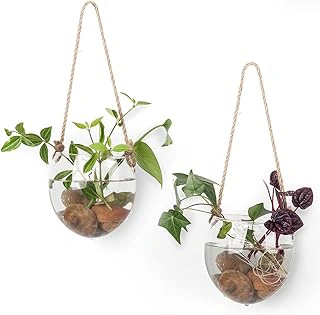
2 Pack Hanging Glass Terrariums for Hydroponic Plants
Limited counter space shouldn't stop you from propagating snake plant cuttings in water. The 2 Pack Hanging Glass Terrariums offer a vertical solution that turns functional propagation into visible decor. Each terrarium hangs from a sturdy metal frame, letting you watch root development without dedicating shelf or windowsill real estate.
The clear glass construction provides unobstructed views of your cuttings as roots emerge and grow. This visibility makes it easier to monitor water levels and root health without handling the container. The open-top design allows convenient access for water changes and cutting adjustments, which you'll need every multiple during the propagation period.
For apartment dwellers or anyone with crowded plant collections, the hanging format maximizes vertical space near bright, indirect light sources. The two-pack configuration lets you propagate multiple cuttings simultaneously or stage batches at different development phases. At $15.99, the pair offers a budget-friendly entry point for adding both function and greenery-focused visual interest to a room.
The trade-off is capacity: each terrarium holds one to two medium-sized snake plant cuttings comfortably, so larger propagation projects will require multiple sets or supplemental containers. The glass is lightweight but requires careful handling during setup and water changes. If you prioritize space efficiency and want your propagation process to double as a display element, these terrariums deliver on both fronts without the footprint of traditional jars or vases.
- ✅ Saves counter and shelf space with vertical hanging design
- ✅ Clear glass allows easy monitoring of root development and water levels
- ✅ Two-pack enables simultaneous propagation of multiple cuttings
- ✅ Open-top design simplifies water changes and cutting access
- ✅ Affordable at $15.99 for the pair
- ⚠️ Limited capacity holds only one to two cuttings per terrarium
- ⚠️ Lightweight glass requires careful handling to avoid breakage
- ⚠️ Larger propagation batches need additional containers
What You'll Need Before You Start
Before you begin propagating your snake plant in water, gather a few simple supplies to set yourself up for success. You'll need a clean glass container - clear glass is ideal because it lets you watch root development without disturbing the cutting. Choose a vessel tall enough to support the leaf upright, such as a jar, vase, or even a recycled bottle with the top cut off.
Next, prepare fresh room-temperature water. Tap water works fine in most areas, but if your municipal supply is heavily chlorinated, let it sit out overnight so the chlorine evaporates. Change the water weekly to prevent bacterial buildup that can rot the cutting before roots form.
A sharp, clean cutting tool is essential. Use scissors, a knife, or pruning shears that you've wiped down with rubbing alcohol. Clean cuts heal faster and reduce the risk of infection at the wound site.
Rooting hormone powder or gel is optional but can speed up root formation by a week or two. If you choose to use it, dip the cut end briefly before placing it in water - just enough to coat the exposed tissue.
Expect roots to appear in three to six weeks under typical indoor conditions. Not every cutting will succeed; a 70 - 80% success rate is normal, so consider starting with two or three leaves if you want to ensure at least one thrives.

Propagation Station & Plant Terrarium with 15 Tubes, Brown
If you're planning to propagate multiple snake plant cuttings at once - or experiment with several varieties side by side - a 15-tube propagation station offers the capacity and organization to manage a larger batch without crowding your windowsill. This Propagation Station & Plant Terrarium with 15 Tubes in Brown provides individual glass tubes mounted in a sturdy frame, letting you monitor root development on up to 15 cuttings simultaneously. The design keeps each cutting upright and stable, which is especially helpful when you're working with tall or heavy snake plant leaf sections that tend to tip in single-vessel setups.
At $17.99, this station delivers solid value for hobbyists ready to scale beyond single-jar experiments. The 4.7 out of 5 rating reflects user confidence in build quality and ease of use. Each tube holds enough water to support a cutting while remaining easy to refill and clean, and the open-top design makes it simple to inspect water clarity and root progress without disturbing the cutting. The brown frame blends well with natural décor and keeps the focus on the greenery as your cuttings develop.
This option works best when you're propagating several snake plant leaves at once - whether you're filling out a collection, sharing starts with friends, or testing different leaf-cutting techniques. The multi-tube layout also lets you stagger your propagation timeline, so you can start new cuttings as older ones root out. Because snake plant cuttings can take several weeks to form roots, having dedicated space for each cutting reduces the temptation to overcrowd and improves airflow around the water line. If you're serious about batch propagation and want an organized, repeatable system, this station balances capacity, stability, and cost effectively.
- ✅ 15 individual tubes support batch propagation and variety trials
- ✅ Sturdy frame keeps tall snake plant cuttings upright and stable
- ✅ 4.7/5 rating reflects strong user satisfaction
- ✅ Open-top design simplifies water changes and root inspection
- ✅ $17.99 offers solid price-to-capacity value for hobbyists
- ⚠️ Requires more counter or shelf space than single-vessel options
- ⚠️ Individual tube size may limit very wide or thick leaf sections
Step 1: Select and Cut a Healthy Leaf
Choosing the right leaf is the foundation of successful snake plant propagation in water. Look for a mature, healthy leaf that is firm, unblemished, and free from yellowing, brown spots, or damage. The leaf should be at least 3 - 4 inches long to provide enough surface area for root development; shorter cuttings often struggle to establish roots and may rot before they can grow.
Use a clean, sharp knife or pruning shears to make a single clean cut at a slight angle - this increases the surface area for water absorption and root formation. Before cutting, sterilize your tool with rubbing alcohol or a 10% bleach solution to prevent transferring bacteria or fungi that can cause the cutting to rot. Make your cut as close to the soil line as possible if you're taking a whole leaf, or slice horizontally across the leaf if you're dividing it into multiple sections.
Immediately after cutting, use a permanent marker or a small notch to mark the bottom (root end) of each section. Snake plant cuttings will only root from the base that was closest to the soil, and placing them upside down in water will result in failure - the cutting will not develop roots and will eventually decay. This simple step prevents confusion, especially if you're propagating multiple cuttings at once.
Let the cut end dry for 24 - 48 hours in a warm, dry location before placing it in water. This allows the wound to callus over, which reduces the risk of rot once submerged. A properly selected, cleanly cut, and correctly oriented leaf sets the stage for healthy root growth in the weeks ahead.
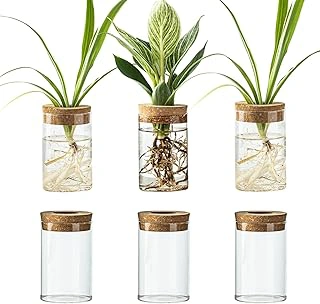
Snminetal Glass Plant Propagation Station with 6 Vases for Cuttings
The Snminetal Glass Plant Propagation Station with 6 Vases offers a clean, minimalist way to propagate multiple snake plant cuttings without taking up much counter or shelf space. Its compact wooden stand holds six individual glass vases, letting you monitor root development across several cuttings at once - ideal if you're working with leaf sections or want to experiment with different cutting sizes side by side.
With a 4.7 out of 5 rating and a price of $16.99, this station fits between single-jar setups and larger multi-tube propagation racks. The glass vases are transparent enough to track water level and root growth, while the stand keeps everything organized in one footprint. If you have limited windowsill or table space but still want to root more than one or two cuttings, this arrangement strikes a practical balance.
The design suits most kitchen counters, desks, or plant shelves, and the separate vases mean you can stagger propagation timing or remove individual cuttings without disturbing the rest. For anyone propagating snake plants in water who values both function and a tidy look, this station offers straightforward utility at an accessible price point.
- ✅ Holds six cuttings in one compact footprint
- ✅ Transparent glass vases for easy root monitoring
- ✅ 4.7 out of 5 rating
- ✅ Affordable at $16.99
- ✅ Minimalist wooden stand fits most spaces
- ⚠️ No brand background or warranty details available
- ⚠️ Vase openings may not accommodate very thick cuttings
Step 2: Let the Cut End Callus Over
Allowing the cut end to callus over is one of the most important steps in water propagation and helps prevent rot when you submerge the cutting. After making your cut, set the snake plant leaf or section upright or lay it flat in a dry, well-ventilated spot away from direct sunlight for one to two days. During this period, the exposed tissue at the cut end will dry and form a protective callus - a thin, slightly hardened layer that acts as a barrier against bacteria and fungal spores in the water.
Skipping this step increases the chance that moisture will penetrate raw tissue and trigger rot before roots have a chance to develop. A windowsill out of direct sun, a countertop with good airflow, or a shelf in a room-temperature room all work well. Avoid humid environments like bathrooms or enclosed drawers, which slow the drying process. If your home is particularly dry, one day may be enough; in more humid conditions, give the cutting the full two days.
You'll know the callus has formed when the cut surface looks dry and slightly firm to the touch, rather than moist or sticky. Once calloused, the cutting is ready to be placed in water with a much lower risk of early decay.
Step 3: Place the Cutting in Water
Submerge the bottom 1 to 2 inches of your snake plant cutting in room-temperature water, keeping the calloused end below the surface while the rest of the leaf stays dry. Too much submersion can lead to rot, while too little may slow root development or leave the cutting unstable in its container.
Use dechlorinated water to avoid chemical stress on emerging roots. Tap water left out in an open container overnight allows chlorine to evaporate, or you can use filtered water if your municipal supply is heavily treated. Change the water every 5 to 7 days to keep it fresh and prevent bacterial buildup that can cloud the jar and damage delicate root tissue.
Place the container in bright, indirect light - near an east- or north-facing window works well. Direct sun can overheat the water and scorch the cutting, while too little light slows photosynthesis and root formation. A consistent light level helps the plant focus energy on building a root system rather than adjusting to fluctuating conditions.
Roots typically appear in 4 to 8 weeks, though some cuttings take longer depending on leaf maturity, water quality, and ambient temperature. Patience is essential: resist the urge to move or disturb the cutting during this period, as stability encourages faster rooting.
Step 4: Change the Water Weekly
Changing the water weekly keeps the propagation environment clean and prevents bacterial buildup that can rot your snake plant cuttings. Stagnant water quickly becomes a breeding ground for algae and harmful microbes, which cloud the water and produce a musty odor. Fresh water delivers oxygen to the cut end and helps roots develop without interference from pathogens.
Each time you change the water, gently rinse the container with plain water to remove any film or residue clinging to the sides. Avoid using soap, as even trace amounts can harm delicate forming roots. If you notice cloudiness, slime on the glass, or any unpleasant smell before your weekly change, replace the water immediately - waiting can compromise the cutting's ability to root successfully.
Room-temperature tap water is usually fine, but if your municipal supply is heavily chlorinated, let it sit in an open container overnight before use or switch to filtered water. Consistent weekly changes create stable conditions that encourage healthy root growth and give you a clear view of progress as white roots begin to emerge from the base of each cutting.
Common Mistakes to Avoid
- Submerging too much of the leaf - only the bottom 1 - 2 inches should touch water
- Using water straight from the tap without letting chlorine evaporate
- Placing the cutting in direct sunlight, which can overheat the water and damage tissue
- Forgetting to change the water weekly, leading to bacterial rot
- Planting the cutting upside down - mark the top before cutting
- Expecting roots within days - snake plants are slow, 4 - 8 weeks is normal
When and How to Transition to Soil
Roots are ready for soil when they reach 2 to 3 inches in length and show a healthy white or light tan color. At this stage, the cutting has developed enough root mass to absorb water and nutrients from soil without shock. If roots are shorter or still translucent, wait another week or two before making the move.
Use a well-draining potting mix formulated for cacti and succulents, which prevents the waterlogged conditions snake plants dislike. Choose a pot only slightly larger than the root ball - typically 4 to 6 inches in diameter - to avoid excess moisture retention. Plant the cutting at the same depth it sat in water, firming the soil gently around the base for stability.
Water lightly immediately after planting, then allow the top inch of soil to dry between waterings for the first few weeks. This gradual acclimation helps roots adjust from constant water access to a drier cycle. Some growers prefer to keep cuttings in water indefinitely, which works if you refresh regularly, but soil provides long-term stability, faster growth, and less frequent maintenance once the plant is established.
Final Takeaway
Propagating a snake plant in water is one of the most forgiving ways to grow your houseplant collection without spending a dime. The method requires minimal equipment, thrives on benign neglect, and builds your confidence as a plant keeper with each new root that emerges. If your first cutting stalls or rots, the fix is simple: trim away the damaged tissue, refresh the water, and try again with a cleaner cut or brighter light.
Snake plants are exceptionally resilient, tolerating weeks of inconsistent water changes and less-than-ideal lighting while still producing roots. This resilience makes water propagation an ideal first project for beginners who want visible progress without the pressure of perfecting soil mix or humidity. Once you see roots extending an inch or two, you'll know the cutting is ready to pot - or you can leave it in water indefinitely if the setup suits your space.
Beyond growing your own collection, water-rooted cuttings make thoughtful, low-cost gifts for friends who want to start their own indoor garden. The process also translates well to other hardy houseplants like pothos, philodendron, and tradescantia, so the skills you develop with snake plant propagation will serve you across dozens of species. Embrace the slow pace, celebrate small wins, and remember that each cutting is a low-stakes experiment with a plant that genuinely wants to survive.