We may earn a commission when you buy through links on this page, at no extra cost to you. How this works.
Most low-light plants for north-facing windows cost between $15 and $50 and can thrive for years without expensive supplements, grow lights, or complicated care routines. The value proposition is simple: pick a species that tolerates the light your apartment actually provides, and you avoid the cycle of replacing plants that demand more sun than a north-facing window can deliver.
North-facing windows receive the least direct sunlight of any orientation in the Northern Hemisphere. They offer consistent, indirect light throughout the day, but that light is softer and less intense than what south- or west-facing windows provide. This matters because many popular houseplants are adapted to bright, dappled light or even direct morning sun. When those species sit in a north-facing window, they stretch toward the glass, drop leaves, or simply stop growing.
The answer is not to buy expensive fertilizers, supplemental lighting, or constant repositioning. The answer is to choose plants that have evolved to thrive in forest understories, shaded ravines, or other low-light environments. These species use available light efficiently, grow steadily without high intensity, and often show better foliage color and structural integrity in lower light than their sun-loving counterparts would in the same spot.
Success in a north-facing apartment window comes from matching plant to environment. That means understanding how much light your specific window provides - factoring in seasonal variation, nearby buildings, and window size - and then selecting species known to tolerate or prefer those conditions. It also means setting realistic expectations: growth will be slower than in brighter spots, and some species will maintain rather than aggressively expand. But the tradeoff is stability, lower water demand, and plants that look healthy rather than stressed.
This guide focuses on species with proven track records in low-light residential settings, realistic care requirements, and availability at common price points. The goal is to help you spend money once on the right plant, rather than repeatedly on replacements that were never suited to your window in the first place.
Who This Guide Is For
This guide is written for apartment renters working with north-facing windows - often the darkest orientation in any home. If you've killed a fiddle-leaf fig or watched a succulent stretch toward invisible sunlight, you're in the right place. We're focusing on species that tolerate indirect light, forgive inconsistent watering, and fit comfortably on windowsills, shelves, or small plant stands.
You may be starting from scratch after past failures, carrying a bit of guilt about brown leaves and drooping stems. That's normal. The issue usually isn't you - it's a mismatch between the plant's needs and the light your apartment provides. North-facing windows deliver the softest, most diffused natural light, and many popular houseplants simply cannot photosynthesize efficiently in those conditions.
This guide also assumes budget matters. You're not looking to invest in grow lights, expensive pots, or a collection that demands daily attention. Instead, you want a short list of reliable, low-cost plants that establish quickly, stay compact, and don't punish you for traveling or forgetting to water for a week.
If you're renting, you likely can't modify window treatments or install permanent fixtures. The plants we recommend work within those constraints - no special equipment, no structural changes, just species bred or adapted to survive in low-light, low-fuss environments.
Expect honest tradeoffs. These plants grow more slowly than their sun-loving cousins. Some will never flower indoors. A few will stretch toward the window over time. But they will survive, and with minimal care, they will give you the green, living space you're looking for without the cycle of replacement and disappointment.
What Actually Matters in a Low-Light Plant
The best low-light plants share four core traits that make them uniquely suited to north-facing apartments. First, they tolerate indirect light - not just survive it, but actually prefer the steady, diffused brightness that never includes direct sun. Second, they grow slowly, which means less frequent repotting, pruning, and fertilizing compared to fast-growing tropicals often marketed as beginner-friendly. Third, they resist drought by storing water in thick leaves or rhizomes, so missing a watering by a few days won't trigger wilting or leaf drop. Fourth, they forgive inconsistent watering schedules, bouncing back from both slight underwatering and the occasional overzealous soak without root rot or stress.
Many plants labeled "low-maintenance" actually need medium to bright indirect light - pothos, for example, will stretch and pale in true low light, and fiddle-leaf figs drop leaves when they don't get enough brightness. Price is no indicator of hardiness: some of the most reliable low-light performers, like snake plants and cast iron plants, cost less than trendy variegated varieties that demand more attention. The key is matching the plant's natural habitat to your apartment's conditions. Species native to forest floors or shaded understories - where they evolved beneath dense canopies - handle north-facing windows better than plants from bright, arid climates. Focus on structure: thick, waxy, or dark green leaves signal a plant built to photosynthesize efficiently in dim conditions and retain moisture between waterings.
How to Choose the Right Plant for Your Specific Window
Choosing the right plant for your north-facing window starts with understanding your actual space. Begin by measuring your sill depth and width with a tape measure. Sills that are 4 - 6 inches deep can accommodate smaller pots, while deeper ledges of 8 - 12 inches offer more flexibility. If your sill is narrow or nonexistent, you'll need to consider floor placement or a plant stand.
Next, assess how far from the window you can place a plant while still providing enough light. Most low-light tolerant species do best within 3 - 5 feet of a north-facing window. Beyond that distance, light levels drop significantly, and you may need to supplement with a grow light to maintain healthy growth.
Consider the footprint of the plant at maturity. Snake plants grow vertically and have a narrow profile, making them ideal for tight sills or corner spots. Cast iron plants, on the other hand, spread wider and work well as statement floor plants positioned near the window where their broad leaves can capture available light.
Think about your watering habits and schedule. If you travel frequently or prefer low-maintenance care, prioritize plants that tolerate irregular watering. If you're home regularly and enjoy routine plant care, you have more flexibility.
Finally, decide whether you're willing to use supplemental lighting. A small grow light can extend your options significantly, allowing you to place plants farther from the window or choose species that prefer slightly brighter conditions. This is especially helpful in winter months when natural light is reduced, or in apartments where neighboring buildings block even indirect light.
Match these space and light realities to plant characteristics: snake plants for narrow, neglect-tolerant needs; cast iron plants for larger floor spaces with minimal care; and grow lights to bridge the gap when your window alone isn't enough.
Placement and Care Basics for North-Facing Light
North-facing windows deliver the gentlest, most consistent light in an apartment, but that consistency also means your plants never experience the intensity that triggers fast growth or high water demand. The key to success is matching your care routine to this low-energy environment.
Start by rotating each plant a quarter-turn every month. Even diffuse northern light has a direction, and rotating ensures all sides of the foliage develop evenly instead of leaning toward the glass. This simple habit prevents lopsided growth and keeps the canopy balanced.
Water only when the top two inches of soil feel dry to the touch. Low light slows photosynthesis, which in turn slows water uptake. Overwatering is the most common mistake in north-facing spaces because the soil stays moist much longer than it would near a south or west window. Check the soil with your finger before every watering, and when in doubt, wait an extra day.
Skip fertilizer entirely from late fall through early spring. Most low-light plants enter a dormant or semi-dormant phase when daylight hours shrink, and feeding them during this period can cause salt buildup in the soil without delivering any growth benefit. Resume a diluted, balanced fertilizer once per month in spring and summer, using half the label concentration.
Dust leaves every three months using a damp microfiber cloth. Dust blocks light absorption, and when you're already working with limited photons, every bit of leaf surface matters. This is especially important for plants with broad, flat leaves like pothos or philodendron, where dust accumulates quickly in still indoor air.
Finally, resist the urge to compensate for low light by increasing water, fertilizer, or pot size. Low-light plants need less of everything. They grow slowly, use nutrients sparingly, and prefer to stay slightly root-bound. Embracing this slower pace - rather than fighting it - leads to healthier, longer-lived plants that fit naturally into the rhythm of a north-facing apartment.
Common Mistakes That Kill Low-Light Plants
If you've killed a low-light plant before, you're not alone. Most failures in north-facing apartments stem from a handful of common mistakes - all of which are easy to correct once you know what to watch for.
Overwatering is the number one killer. Low-light plants grow slowly and use water more gradually than sun-loving species. When soil stays wet for days, roots suffocate and rot. Yellow leaves, mushy stems, and a sour smell are telltale signs. The fix: let the top inch or two of soil dry out between waterings, and always check moisture with your finger before reaching for the watering can.
Pots without drainage holes trap excess water at the bottom, even if the surface looks dry. This hidden moisture leads to root rot over time. If you love a decorative pot with no hole, use it as a cachepot - place a nursery pot with drainage inside, and remove it to water over a sink.
Placing plants too far from the window starves them of the little light they do need. Even shade-tolerant species require some ambient brightness. A plant tucked into a dim corner or hallway several feet from your north-facing window will stretch, pale, and eventually decline. Keep low-light plants within three to five feet of the window, or supplement with a small grow light if the room feels cave-like.
Over-fertilizing stresses slow-growing plants. In low light, metabolic activity is reduced, so roots can't process heavy nutrient loads. Salt buildup from excess fertilizer burns leaf tips and stunts growth. Use diluted liquid fertilizer sparingly - once every six to eight weeks during spring and summer is usually enough, and none at all in winter.
Expecting fast, lush growth sets you up for disappointment. Low-light plants are survivors, not sprinters. They will add new leaves, but at a measured pace. A pothos might unfurl one leaf a month in a north window, compared to one a week in bright indirect light. This is normal. Patience and consistency matter more than intensity.
Recognizing these patterns early keeps small problems from becoming fatal. The good news: once you adjust your watering rhythm and placement, low-light plants are remarkably forgiving.
When to Consider Supplemental Lighting
Most plants suited to north-facing windows thrive without supplemental lighting, but a few situations make a grow light worth considering. If you want to place greenery in a bedroom or bathroom with no window access, a compact LED grow light can fill the gap. During winter months when daylight hours shrink and even indirect light becomes scarce, a simple fixture can help maintain growth rates and leaf color. Finally, if you'd like to arrange plants on shelves or surfaces opposite your north-facing window - beyond the reach of natural light - a grow light extends your options.
Supplemental lighting is not a requirement for the species covered earlier. Snake plants, pothos, and ZZ plants tolerate low light so well that they will survive and grow slowly with only the diffused daylight a north-facing window provides. A grow light becomes useful when you want to accelerate growth, display plants in darker corners, or bridge the gap during the shortest days of the year.
Choose a fixture that offers adjustable brightness and a timer, so you can dial in the right duration without leaving the light on around the clock. Position the bulb or panel eight to twelve inches above the foliage, and run it for ten to twelve hours daily to mimic a full day of indirect sun. This approach keeps energy use low and prevents the leggy, pale growth that signals insufficient light.
Think of supplemental lighting as a flexibility tool rather than a fix for poor plant selection. Picking species adapted to low light remains the simplest path, but a grow light opens up placement options and keeps your collection looking vibrant even when natural daylight dips.
Final Takeaway: Start Small and Build Confidence
If you've scrolled through endless plant inspiration posts and felt overwhelmed, start here: one plant is enough. Choose a single snake plant or cast iron plant, place it in your north-facing window, and observe it for a full month. Watch how the leaves respond to your watering schedule, note how slowly new growth appears, and learn what thriving actually looks like in your specific apartment.
Low-light plants grow at a slower pace than their sun-loving cousins, and that's not a problem - it's their nature. A snake plant might add just two or three new leaves in a season. A cast iron plant may sit quietly for weeks before unfurling a single frond. This gradual growth is not a sign of failure; it's exactly how these species conserve energy in limited light. Patience is the skill you're building, not just plant care.
Starting small also removes the pressure that comes from managing multiple plants with different needs. One healthy plant on your sill teaches you more about watering frequency, humidity preferences, and light tolerance than five struggling specimens ever will. You'll notice whether the soil dries out in five days or ten. You'll see if dust buildup affects the leaves. You'll learn whether your apartment runs dry in winter or stays humid year-round.
Once that first plant settles in and you feel confident reading its signals, add a second. Then a third. Build your indoor garden at a pace that matches your routine and your space, not someone else's curated photo feed. There's no race, no checklist to complete, and no guilt for past attempts that didn't work out. North-facing windows and low-light conditions simply require a different approach - one rooted in observation, modest expectations, and species that are built for exactly this environment.
Pick one plant from this guide, check its current availability, and start your journey without the weight of perfection. A single thriving plant beats a crowded sill of half-alive greenery every time.
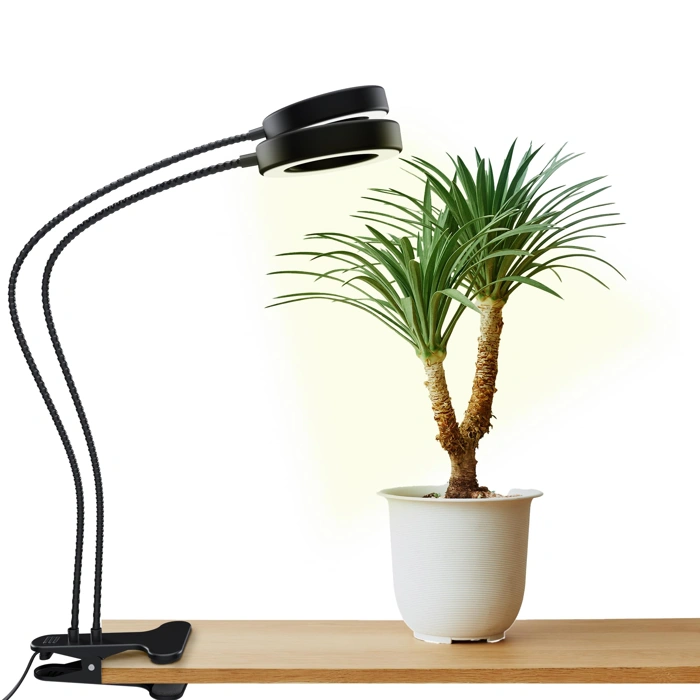
OSANI 24" Gooseneck Long Arm Full Spectrum LED Grow Light
The OSANI 24" Gooseneck Long Arm Full Spectrum LED Grow Light offers a practical option when your north-facing window can't provide enough light for every plant you want to keep. The 24-inch flexible arm lets you position the light over plants on desks, shelves, or bookcases several feet from the window, extending your placement options beyond the sill.
This light uses a full-spectrum LED design that covers the wavelengths plants use for photosynthesis. The gooseneck construction allows you to bend and aim the fixture so the light reaches foliage at different heights and angles. At $29.36, it sits in the budget-friendly range for single-head grow lights, making it accessible if you want to experiment with supplemental lighting without a large upfront cost.
The clamp-style mount works on surfaces up to about two inches thick, so you can attach it to standard shelving, table edges, or headboards. This flexibility is useful in apartments where floor space is limited and you need to use vertical surfaces. The light draws power from a standard wall outlet via an included adapter.
Consider this fixture as an optional boost rather than a necessity. Many low-light plants perform well in north-facing windows without supplemental lighting during spring and summer. The value becomes clearer in winter months when daylight hours shorten and light intensity drops, or when you want to place a plant in a corner or interior room with minimal natural light. The reach and adjustability make it easier to fine-tune coverage as plants grow or as you rearrange your space.
The 4.4 out of 5 rating reflects generally positive user experiences, though individual results will depend on the specific plants you're growing and how far they sit from any natural light source. Keep in mind that this is a single-head unit, so coverage is focused rather than broad - ideal for one to three small- to medium-sized plants clustered together.
- ✅ 24-inch gooseneck arm allows flexible positioning over shelves and desks
- ✅ Full-spectrum LED covers key wavelengths for plant growth
- ✅ Clamp mount works on standard furniture without drilling
- ✅ Budget-friendly at $29.36
- ⚠️ Single-head design limits coverage to a small cluster of plants
- ⚠️ Clamp requires a surface edge up to two inches thick
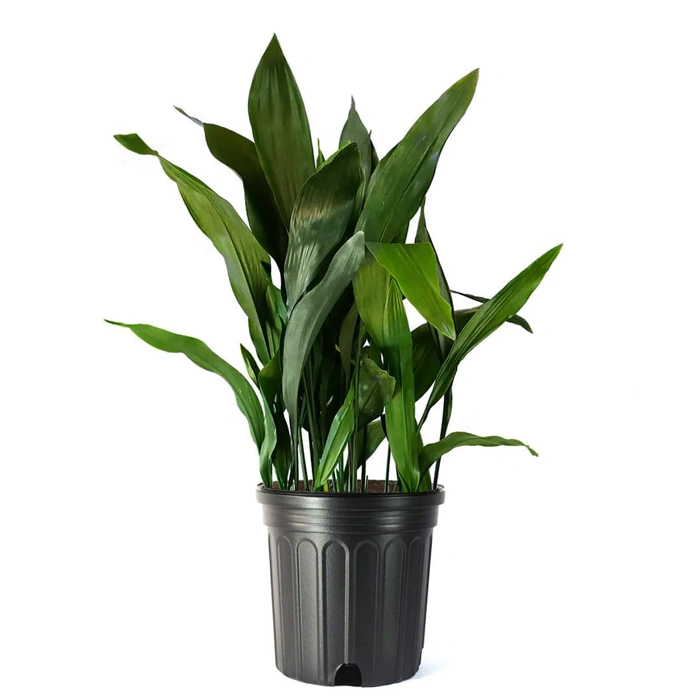
American Plant Exchange Cast Iron Plant – Live 10-Inch Potted Evergreen, Hardy Low-Light Houseplant, Drought-Tolerant & Easy-Care Foliage Plant for Home, Office & Shade Gardens
If you've struggled to keep plants alive in the past, the American Plant Exchange Cast Iron Plant offers a second chance. Delivered in a 10-inch pot, this evergreen houseplant tolerates low light, infrequent watering, and general neglect better than almost any other species. It earns a 4.2/5 rating and costs $47.56, a higher upfront investment that reflects its size and longevity.
The cast iron plant grows slowly, so the 10-inch pot you receive won't need repotting for a considerable time. Its broad, dark green leaves stay attractive even when you forget to water for weeks. Drought tolerance is a real advantage in north-facing apartments where both light and attention can be scarce. You won't need to track a strict watering schedule or adjust humidity levels.
This plant fits well on the floor beside a north-facing window or on a wide sill that can support the pot's footprint. It adapts to stable indoor temperatures and doesn't demand direct sun. If you've watched other houseplants wilt or brown despite your efforts, the cast iron plant's resilience makes it a practical choice. The higher price buys you a mature specimen that's already established and ready to tolerate less-than-ideal conditions.
Before purchasing, confirm that the 10-inch pot matches your available space. The plant's slow growth means you'll enjoy this size for months or even years without needing a larger container. For anyone who wants greenery in a north-facing room without constant upkeep, this is one of the most forgiving options available.
- ✅ 10-inch pot delivers a mature, established plant
- ✅ Tolerates low light and irregular watering
- ✅ Slow growth reduces repotting frequency
- ✅ Broad evergreen foliage stays attractive with minimal care
- ⚠️ $47.56 price point is higher than smaller starter plants
- ⚠️ 10-inch pot requires adequate floor or sill space
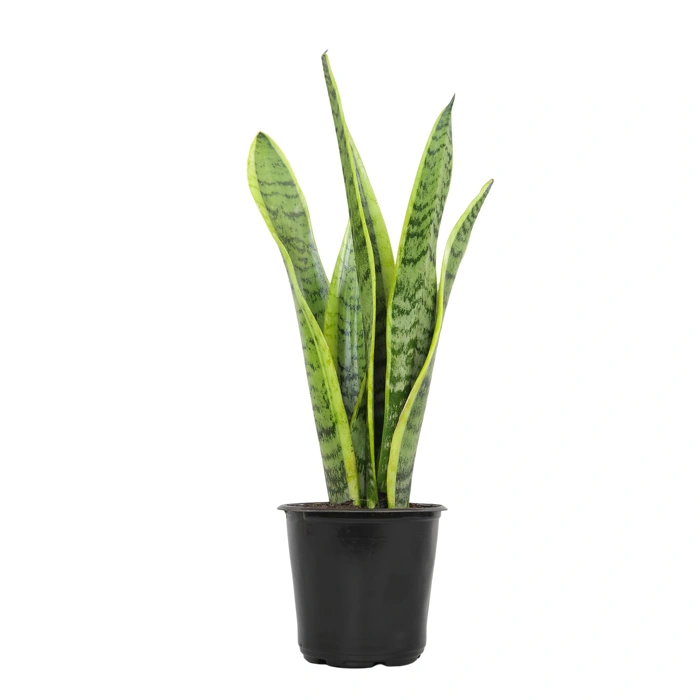
Plants for Pets Live Sansevieria Laurentii Snake Plant - Fully Rooted Potted Indoor
At $20.35 with a 4.4/5 rating, the Plants for Pets Live Sansevieria Laurentii Snake Plant offers an affordable entry into low-light apartment gardening. This fully rooted, potted plant arrives ready to place on a shelf, desk, or floor near your north-facing window without requiring immediate repotting.
The snake plant's upright, sword-shaped leaves grow vertically rather than sprawling outward, making it a practical choice for tight spaces where horizontal spread would crowd other furniture or décor. The variegated yellow-edged foliage adds visual interest without demanding bright light, and the plant tolerates weeks of neglect between waterings - a useful trait if you travel frequently or prefer a low-maintenance routine.
Sansevieria is widely recognized for its air-purifying reputation, though real-world impact depends on plant size and room volume. In a north-facing apartment with limited natural light, this species continues to grow slowly and steadily, unlike sun-hungry tropicals that may languish or stretch toward brighter spots.
Because it ships fully rooted, you can assess the root system and pot size upon arrival. If the nursery pot feels flimsy or doesn't match your aesthetic, plan to transfer the plant into a slightly larger container with drainage holes. Otherwise, the existing pot works well as a drop-in liner for decorative cachepots.
For apartment dwellers balancing budget, space constraints, and sporadic care schedules, this snake plant delivers reliable performance in low-light conditions without the premium price tags attached to larger specimens or designer planters.
- ✅ Budget-friendly at $20.35
- ✅ Upright growth saves horizontal space
- ✅ Tolerates neglect and infrequent watering
- ✅ Fully rooted and ready to place
- ✅ Thrives in low-light north-facing windows
- ⚠️ Nursery pot may require upgrading for aesthetics
- ⚠️ Slow growth rate in very dim conditions
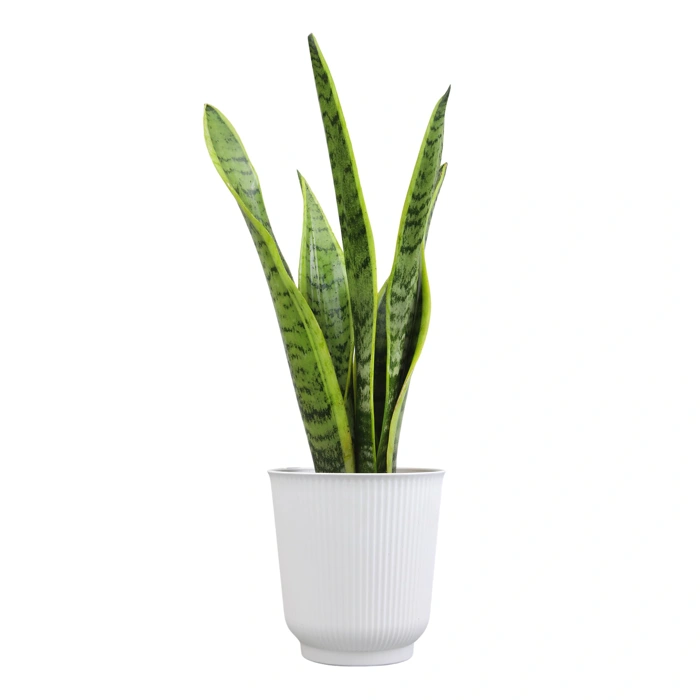
Altman Plants Sansevieria Laurentii Snake Plant - 10" Tall Variegated, in White Planter
The Altman Plants Sansevieria Laurentii Snake Plant delivers the same hardy, low-light tolerance as other snake plant varieties, but arrives as a ready-to-display option. At the listed size tall in a white ceramic planter, it's priced at $19.89 and carries a 4.5/5 rating - the highest among the plants featured here.
This version suits readers who want to skip repotting and place the plant directly on a shelf or desk. The white planter offers a clean, neutral aesthetic that complements modern apartment interiors, making it a practical choice for north-facing spaces where both light and decorating flexibility matter.
Compared to bare-root or nursery-pot snake plants, this option costs slightly more but reduces the need to source a separate container. The 10-inch height fits well on narrow windowsills, side tables, or wall-mounted shelves without overwhelming compact rooms. Like all Sansevieria, it tolerates neglect, requires infrequent watering, and adapts to the indirect light typical of north-facing windows.
The tradeoff is less flexibility: you're committed to the included planter unless you choose to repot later. If your décor leans toward colored ceramics, natural terracotta, or woven baskets, this pre-planted option may not align with your style. For those who value convenience and a cohesive look out of the box, however, it removes a common barrier to bringing plants into low-light apartments.
Position it within a few feet of your north-facing window where it can capture diffuse daylight throughout the day. Water only when the soil dries completely, and wipe the variegated leaves occasionally to maximize their ability to absorb available light.
- ✅ Ready to display in a clean white ceramic planter
- ✅ Highest rating at 4.5/5 among featured plants
- ✅ 10-inch height fits narrow windowsills and compact spaces
- ✅ Same hardy, low-maintenance nature as other snake plant varieties
- ⚠️ Higher price point at $19.89 compared to bare-root options
- ⚠️ Less flexibility if the white planter doesn't match your décor
- ⚠️ Committed to included container unless you repot
Quick Checklist: What to Look For Before You Buy
- Plant explicitly labeled low-light tolerant or shade plant
- Thick, waxy, or dark green leaves (signal for low-light adaptation)
- Slow growth habit (less frequent repotting and feeding)
- Drought-tolerant species (forgives missed waterings)
- Pot with drainage holes or plan to repot immediately
- Seller rating above 4.0 and recent reviews mentioning plant health on arrival