We may earn a commission when you buy through links on this page, at no extra cost to you. How this works.
Soltech Solutions Vita Dimmable Full Spectrum LED Grow Light Bulb, 20W 3000K
Grow lights that fit your actual lamps and don't ruin your décor.
Use the matching tool first
Start with Houseplant Watering Confidence Calculator if you want to narrow the fit before checking current offers.
Most grow lights look like something you'd hide in a closet, not display on a credenza. The purple-blue glare, bulky clamps, and industrial fixtures might work in a basement or greenhouse, but they clash with the rest of your home. Standard grow lights treat plants as a science project, not part of the room.
Grow light bulbs solve that problem. They screw into any standard E26 socket - the same socket in your table lamps, floor lamps, and pendant fixtures. You get the light spectrum plants need without replacing your existing lighting or mounting anything on the wall. No rewiring. No brackets. Just unscrew the old bulb and screw in a grow bulb.
The four bulbs in this guide range from $16 budget options to an $85 designer pick. Each one fits a different need: tight budgets, larger plants, multi-plant setups, or rooms where the fixture itself is part of the décor. The cheaper models deliver enough light for low to medium-light plants like pothos, philodendron, and snake plants. The higher-end bulbs push more intensity and cover more area, so they work for fiddle-leaf figs, monstera, or clusters of smaller plants.
White-spectrum bulbs produce light that looks natural to your eyes, so the room doesn't glow purple at night. This matters if the lamp sits in a living room, bedroom, or home office where you spend time. You can leave the bulb on during the day without making the space feel like a nightclub.
The tradeoff is output. Grow light bulbs produce less intensity than dedicated panel fixtures or bar lights. They work well for supplemental light - filling in during winter, supporting plants a few feet from a window, or maintaining growth in medium-light conditions. They won't replace direct sun for high-light tropical plants or start seeds as quickly as a full-spectrum panel. But if you want to keep your furniture, your fixtures, and your plants healthy at the same time, a grow light bulb is the simplest place to start.
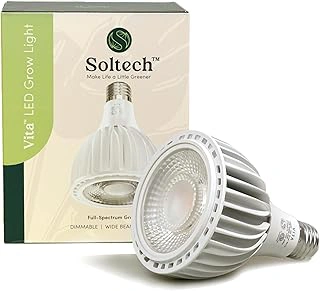
Soltech Solutions Vita Dimmable Full Spectrum LED Grow Light Bulb, 20W 3000K
The Soltech Solutions Vita sits at the top of the price range at $84.99, but it delivers what design-conscious plant owners have been searching for: a dimmable, full-spectrum grow light that looks identical to a traditional incandescent bulb. The 20W output and 3000K warm spectrum provide enough light for low- to medium-light houseplants without bathing your living room in the purple or harsh white glow that screams "grow light."
This bulb screws into any standard E26 socket, which means your vintage floor lamp, mid-century table fixture, or minimalist pendant stays exactly as it is. The dimmable function adds flexibility - turn it down during movie night or up during the day when your fiddle leaf fig needs more energy. The 3000K color temperature blends seamlessly with other warm lighting in open-plan spaces, bedrooms, or anywhere you care about ambiance as much as plant health.
At 4.7 out of 5, user feedback confirms reliable performance, though the price represents a significant jump over budget options. That premium makes the most sense for renters who can't install permanent fixtures, designers who refuse to compromise on aesthetics, or anyone placing a grow light in a high-visibility room where appearance matters. If you're lighting a utility shelf in the basement or a grow tent in the garage, the price-to-output ratio tilts less favorably.
The tradeoff is straightforward: you pay for invisibility. The Vita won't push high-light tropicals or flowering plants the way a dedicated panel or stronger bulb would, but it will keep your pothos, snake plants, and philodendrons healthy in rooms that lack natural light - without announcing itself to every guest who walks in. Verify the current price and confirm E26 socket compatibility before ordering, especially if you're replacing a bulb in a lamp with a shade that limits heat dissipation.
- ✅ Dimmable full-spectrum LED fits standard E26 sockets
- ✅ 3000K warm light matches traditional incandescent bulbs
- ✅ No purple glow or industrial appearance
- ✅ 20W output supports low- to medium-light houseplants
- ⚠️ $84.99 price point is steep compared to budget alternatives
- ⚠️ Output may not satisfy high-light or flowering plants
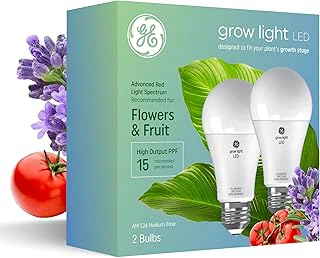
GE A19 LED Grow Light Bulbs for Indoor Plants, Advanced Red Spectrum, 2 Pack
At $19.07 for two bulbs, the GE A19 LED grow light offers the lowest per-bulb cost in this guide while delivering advanced red spectrum output designed specifically for flowering and fruiting stages. If you grow herbs like basil or oregano, peppers, or tomatoes indoors, this spectrum choice supports productive growth better than white-only alternatives. The standard A19 shape screws directly into any table or floor lamp, and the 4.5 rating reflects consistent performance from a brand already familiar to most households.
The tradeoff is visible: these bulbs cast a pinkish-red glow rather than a neutral white, which makes them less subtle in living rooms or social spaces. In a bedroom corner, home office, or utility area where plant health matters more than ambient aesthetics, that color shift becomes a non-issue. You get reliable spectrum support without the industrial look of panel lights or the fixture investment of dedicated grow systems.
Because the advanced red spectrum prioritizes bloom and fruit development, pair these bulbs with natural window light or rotate them seasonally if your plants also need vegetative growth phases. For year-round herbs on a kitchen shelf or a tucked-away propagation station, the GE A19 delivers straightforward value and fits lamps you already own.
- ✅ Lowest per-bulb cost at $9.54 each
- ✅ Advanced red spectrum supports flowering and fruiting stages
- ✅ Standard A19 shape fits any existing lamp
- ✅ 4.5/5 rating from a trusted brand
- ⚠️ Pinkish-red glow is less natural-looking than full-spectrum white bulbs
- ⚠️ Red-heavy spectrum may need supplemental light for vegetative growth
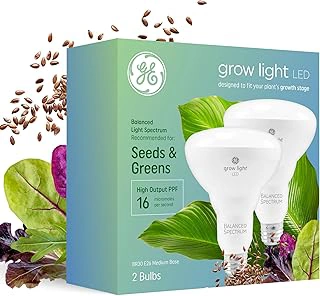
GE BR30 LED Indoor Grow Floodlight Bulbs, Balanced Spectrum, 2 Pack
If you already have recessed ceiling lights or track fixtures above your plant shelves, the GE BR30 LED Indoor Grow Floodlight Bulbs let you add plant support without buying new hardware. These flood-style bulbs screw into the wider BR30 sockets common in kitchens, hallways, and built-in shelving - exactly where many renters and homeowners keep their growing collections but lack dedicated grow fixtures.
The balanced spectrum runs cooler in color temperature than most red-heavy grow bulbs, so the light reads closer to neutral white instead of the pinkish glow that can make a living space feel clinical. The BR30 form factor delivers a wider beam angle than standard A19 bulbs, which means one bulb can cover multiple plants on a shelf or illuminate a corner grouping of pothos, philodendron, and prayer plants without dark gaps.
At $24.77 for a two-pack, you're looking at roughly the listed amount per socket - competitive for floodlight grow bulbs and practical if you're retrofitting two recessed cans above a plant stand or credenza. The 4.6 rating reflects solid performance in real kitchens and hallways where aesthetics matter as much as photosynthesis.
The fit constraint is real: BR30 bulbs will not work in standard table lamps, pendant fixtures with narrow shades, or any socket designed for A19 or A21 bulbs. Check your fixture before ordering. If your space has the right recessed or track infrastructure, these bulbs turn existing overhead lighting into functional plant support without adding visible equipment or rewiring.
- ✅ Fits recessed cans and track fixtures already in place
- ✅ Wider beam angle covers multiple plants per bulb
- ✅ Balanced spectrum stays closer to neutral white
- ✅ Two-pack value at $24.77
- ⚠️ Will not fit standard table lamp sockets
- ⚠️ Requires BR30-compatible fixture
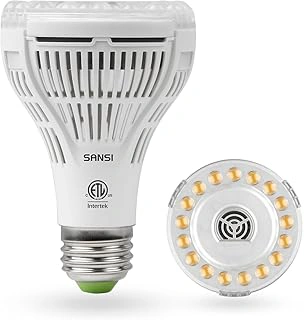
SANSI Full Spectrum 15W LED Grow Light Bulb with Optical Lens, 4000K Daylight
The SANSI 15W sits at $16.10 and delivers what practical plant owners need: focused light through an optical lens that concentrates output where it matters most. The 4000K daylight spectrum produces a bright, cool white tone rather than the warm glow most people expect from living room lamps, which makes it efficient for photosynthesis but less inviting when you want ambient light in shared spaces.
That optical lens is the technical advantage here. Instead of diffusing light evenly across a room, the lens directs it downward, making this bulb effective for single-plant setups on desks, windowsills, or kitchen counters where you can position the lamp close to foliage. A monstera in a home office or a snake plant on a bookshelf will get the spectrum it needs without requiring a dedicated fixture.
The tradeoff is aesthetic. The 4000K temperature reads as stark and functional rather than cozy, and the lens itself gives the bulb a utilitarian appearance that won't blend into designer table lamps the way a warm Edison-style grow bulb might. If you're lighting a bedroom nightstand or a living room corner where ambiance matters, this bulb will feel out of place. But for workspaces, utility areas, or anyone prioritizing plant health over mood lighting, the focused beam and budget price make it a straightforward choice.
At 15W, it draws less power than many full-spectrum alternatives while still delivering measurable intensity to leaf surfaces within the listed size. The 4.6 rating reflects consistent performance without the early burnout issues that plague cheaper options. Best for growers who need one reliable bulb per plant and don't mind the bright, clinical look that comes with it.
- ✅ Optical lens concentrates light for single-plant focus
- ✅ Budget-friendly at $16.10
- ✅ 15W efficiency with measurable intensity
- ✅ 4.6 rating reflects reliable performance
- ⚠️ 4000K daylight spectrum feels stark and clinical
- ⚠️ Less suitable for ambient living spaces
- ⚠️ Utilitarian appearance doesn't blend into decorative lamps
What to Look for in a Grow Light Bulb for Standard Lamps
The right grow light bulb for a standard lamp depends on socket compatibility, light spectrum, and the balance between plant support and room aesthetics. Start with the base: E26 is the common medium screw base that fits most household lamps, and A19 or BR30 describe the bulb shape - A19 for table lamps, BR30 floods for recessed or directional fixtures. If your lamp uses a standard socket, you're looking for E26 compatibility.
Spectrum matters more than marketing suggests. Full-spectrum white bulbs (labeled 3000K to 4000K) provide a mix of blue and red wavelengths plants use for photosynthesis while looking like normal warm or neutral white light. Red-heavy bulbs deliver more energy in the 600 - 700 nm range, which supports flowering and fruiting, but they cast a pinkish glow that many people find unappealing in living spaces. For foliage plants and herbs in visible rooms, full-spectrum white is the practical choice.
Wattage and lumens tell you how much light the bulb actually delivers. Most grow bulbs for standard lamps fall between 9W and 20W actual power draw, producing 800 to 2000 lumens. Higher wattage doesn't always mean better growth - placement distance, daily duration, and plant type all matter. A 15W bulb positioned 12 inches above a pothos or snake plant will outperform a 20W bulb three feet away. Look for bulbs that specify both actual wattage and lumen output, not just equivalent incandescent wattage.
Dimmability and color temperature affect usability more than plant performance. Dimmable bulbs let you adjust intensity for different growth stages or room moods, but they cost more and require compatible dimmer switches. Non-dimmable bulbs work fine if you control light duration with a timer. Color temperature between 3000K and 4000K keeps the light visibly warm or neutral, so your lamp doesn't look like a laboratory fixture. Price often reflects these comfort features - dimming, CRI above 90, and warmer tones - rather than measurably better plant growth. Budget bulbs with fixed output and cooler white light can support the same plants; you're trading aesthetics and flexibility, not core function.
How to Choose the Right Grow Light Bulb for Your Space
Start by checking the socket type in your fixture. Most table lamps and pendants use standard E26 (medium screw-base) sockets, while recessed cans often take BR30 bulbs. The Soltech Solutions and GE A19 fit table lamps, the SANSI BR30 fits recessed fixtures, and the SANSI A19 works in either - confirming compatibility avoids returns.
Next, decide what matters more: room aesthetics or raw light output. The Soltech bulb delivers a warm, neutral glow that disappears into living rooms and bedrooms, making it the best choice when the lamp stays visible all day. The SANSI models push higher intensity and better spectrum coverage, so they work well in home offices or corners where you want faster, more vigorous growth and the fixture itself is less of a focal point.
Budget plays a clear role. The GE A19 sits under $15 and handles low-to-medium light plants in any standard lamp. The SANSI bulbs cost slightly more but offer stronger output and broader spectrum for the same socket. Soltech asks a premium for the design-forward warm tone and clean industrial look - worth it if the bulb will be exposed in a curated space, less compelling if you're lighting a utility shelf.
Room use shapes the final call. In shared living areas, a warm or neutral-white bulb avoids the clinical feel of cooler LEDs. In a bedroom, dimmer compatibility and softer color temperature prevent glare at night. For a dedicated plant corner or office desk, prioritize intensity and spectrum range over color warmth.
Plant type adds one more layer. Foliage plants - pothos, monstera, snake plants - thrive under any of these four bulbs at typical distances. Flowering or fruiting species benefit from the SANSI models' broader red and blue spectrum, though none of these bulbs replaces dedicated grow panels for high-demand crops. The real decision comes down to whether your lamp socket, room style, and budget align with the bulb's strengths, not whether your plants will survive - they will under any of these options with reasonable placement.
Which Grow Light Bulb Fits Your Budget and Style?
Choosing the right grow light bulb comes down to balancing your budget, the look you want to maintain, and where the bulb will live in your home. If you're working with a tight budget or want a straightforward option that performs well, the GE BR30 LED Grow Light offers solid full-spectrum output at a lower price point, especially useful in recessed fixtures or track lighting. The SANSI 15W delivers excellent PAR values for the money and works beautifully in desk lamps or anywhere you need focused light on a single plant.
When aesthetics matter as much as plant health, the Soltech Solutions Vita Bulb stands out. It costs more, but the warm white appearance means you can use it in living rooms, entryways, or anywhere a purple glow would feel out of place. The GE A19 LED Grow Light splits the difference - affordable, widely available, and versatile enough for most standard table and floor lamps.
All four bulbs screw into standard E26 sockets, emit full-spectrum light that supports photosynthesis, and skip the harsh purple glare that makes spaces feel clinical. The real tradeoffs lie in light intensity, beam spread, and whether you prioritize blending in or maximizing output. Before you buy, confirm the socket type in your fixture and check current prices, since availability and discounts shift frequently. Any of these four will keep your plants healthy without turning your apartment into a purple greenhouse.
Quick Setup Tips for Your New Grow Light Bulb
- Confirm your lamp socket is E26 (standard) or BR30 (flood) before ordering
- Place the bulb 12 - 18 inches from plant canopy for most foliage plants
- Run the light 10 - 14 hours per day; use a plug timer for consistency
- Rotate plants weekly so all sides get even light exposure
- Pair with a nearby window for best results; grow lights supplement, not replace, natural light
- Dust the bulb monthly to maintain brightness and efficiency