We may earn a commission when you buy through links on this page, at no extra cost to you. How this works.
Most beginner houseplants cost less than $25 - about the price of lunch and coffee - but deliver months of visible growth, cleaner air, and the quiet confidence that comes from keeping something alive. If you've killed a succulent, drowned a fern, or felt guilty tossing brown leaves into the trash, you're not alone. The problem wasn't you; it was the mismatch between the plant's needs and your routine.
This guide focuses on truly forgiving species that tolerate inconsistent watering, adapt to average indoor light, and fit small apartments without demanding humidity trays or grow lights. You'll see side-by-side comparisons of watering frequency, light flexibility, and growth speed so you can pick a plant that aligns with your schedule and space - not an idealized version of either.
We've grouped options by the trade-offs that matter most to first-time plant parents: how often you'll need to water, how much natural light your room actually gets, and whether the plant will outgrow your shelf in six months or stay compact for years. Every pick includes care basics written in plain language, so you can start with realistic expectations and build from there.
Quick comparison
| Altman Plants Non-Toxic Live Sempervivum Succulent Plant in 8" Decorative Pot | Check current price and pot style |
| Bonnie Curly Spider Plant, 4-inch Pot | Check current price and size |
| Marvel Comics Spider-Man Web-Head 3-inch Ceramic Mini Planter with Artificial Succulent | Check current price and character options |
Use the matching tool first
Start with Indoor Plant Light Matcher if you want to narrow the fit before checking current offers.
What Makes a Plant 'Beginner-Friendly'?
A beginner-friendly houseplant is one that doesn't punish you for the inevitable learning curve. It tolerates inconsistent watering schedules, survives in less-than-ideal light conditions, and bounces back from the kinds of mistakes every new plant parent makes - overwatering, underwatering, or forgetting to dust the leaves for a month.
The plants featured in this guide share a few core traits that make them forgiving and reliable for first-timers. They adapt to typical indoor environments without requiring specialized equipment, strict humidity levels, or precise temperature control. Most thrive in low to medium indirect light, which is what you'll find in the average apartment or home without south-facing windows. They prefer well-draining soil and can handle a missed watering or two without immediately wilting or yellowing.
Another key factor is visible feedback. Beginner-friendly plants tend to show you what they need - drooping leaves when thirsty, pale growth when light is too low - without dying overnight. This gives you time to adjust and learn their rhythms. They also grow at a moderate pace, so you're not constantly repotting or pruning, and they don't attract pests as aggressively as more delicate species.
Throughout this guide, we compare plants based on these practical attributes: light tolerance range, watering flexibility, sensitivity to mistakes, growth speed, and how much attention they require week to week. We focus on plants that fit small spaces, stay under $25, and don't demand daily fussing. The goal is to help you choose a plant that matches your actual routine and environment, not an idealized version of either.
Basic Care Foundations: Light, Water, and Soil Explained Simply
Most beginner houseplant failures come down to three simple misunderstandings: where to place the plant, when to water it, and what kind of soil it needs. Once you understand these basics, the plants reviewed in this guide become much easier to keep alive.
Indirect light means your plant is near a window but not sitting directly in the sun's rays. Place it a few feet back from a bright window, or right beside a window with sheer curtains. Direct sun can scorch leaves, while too little light slows growth and dulls color. Most beginner-friendly plants thrive in this middle zone because it mimics the dappled light of a forest floor.
Watering correctly means soaking the soil thoroughly until water runs out the drainage hole, then waiting until the top inch or two of soil feels dry before watering again. This cycle prevents both underwatering and the root rot that kills more houseplants than anything else. Stick your finger into the soil to check moisture rather than following a rigid schedule, because humidity, temperature, and season all affect how fast soil dries.
Well-draining soil is a mix that holds moisture long enough for roots to drink but allows excess water to flow through quickly. Standard potting mix works for most beginners, but avoid dense garden soil or mixes that stay soggy. Pots must have drainage holes at the bottom so water doesn't pool around the roots.
The plants featured earlier - pothos, snake plants, ZZ plants, and spider plants - all forgive mistakes in these three areas. They tolerate a range of light conditions, survive if you forget to water for a week or two, and adapt to most standard potting soils. That flexibility gives you room to learn without losing your plant, which is exactly what makes them ideal for first-time indoor gardeners.
Which Plant Fits Your Space and Schedule?
Not all beginner plants suit every living situation. The right choice depends on the light you have available, how often you're home, and what kind of learning curve you prefer.
If you have a south- or west-facing window and tend to forget about watering, succulents and cacti handle neglect well. They store water in their leaves and tolerate several weeks between drinks. Just ensure the pot has drainage and the soil dries out completely between waterings.
For low-light corners, north-facing windows, or rooms without direct sun, spider plants and pothos adapt without fuss. Both tolerate inconsistent watering better than most tropicals and grow steadily even in dim conditions. Spider plants also produce offshoots you can propagate, giving you more plants at no extra cost.
If you've killed every plant you've tried, realistic artificial options exist that require only occasional dusting. There's no shame in starting with faux greenery while you observe how natural light moves through your space and build confidence with care routines.
When you want to learn quickly by caring for multiple species at once, small starter packs let you compare growth rates, watering needs, and resilience side by side. A 12-plant assortment in 2-inch pots fits on a single shelf and teaches you which varieties match your habits without a large upfront investment.
Match the plant to your actual routine, not the routine you wish you had. A thriving spider plant in low light beats a struggling fiddle leaf fig every time.
Your Green Thumb Journey Starts Now
Starting your indoor garden doesn't require a big investment or a flawless track record. All five plants in this guide cost less than $50, and each one tolerates the occasional missed watering or imperfect light. If you've struggled with houseplants before, these picks are designed to forgive the learning curve.
Begin with one or two plants that fit your actual routine. Place them where you'll notice them daily, water when the soil feels dry an inch down, and observe how they respond over the first month. You'll quickly learn whether your space runs warm or cool, bright or dim, and how often each plant actually needs attention.
Once you're comfortable with the basics, adding a third or fourth variety becomes straightforward. Mix a pothos with a snake plant, or pair a spider plant with a ZZ for contrast in texture and growth habit. The key is building confidence through small, repeatable wins rather than overwhelming yourself with a jungle overnight.
Past failures don't define your ability to care for plants - they often just mean the wrong plant met the wrong conditions. With these beginner-friendly options, you're matching low-maintenance care needs to real-world apartments, schedules, and light levels. Revisit the product links above to check current prices and availability, then pick the one that feels right for your space. Your green thumb journey starts with that first intentional choice.
Common Beginner Mistakes and How to Avoid Them
- Overwatering: Wait until the top inch of soil is dry before watering again
- Wrong pot size: Use pots only 1-2 inches larger than the root ball
- No drainage holes: Always ensure pots have drainage to prevent root rot
- Too much direct sun: Most beginner plants prefer bright, indirect light
- Ignoring plant signals: Yellow leaves often mean overwatering, brown tips mean underwatering or low humidity
- Repotting too soon: Wait 6-12 months before repotting new plants
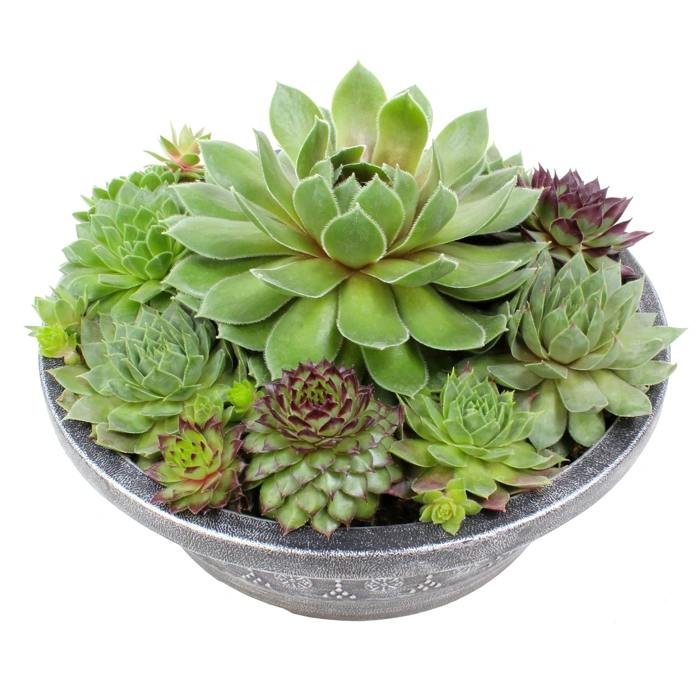
Altman Plants Non-Toxic Live Sempervivum Succulent Plant in 8" Decorative Pot
The Altman Plants Non-Toxic Live Sempervivum Succulent Plant arrives in an 8-inch decorative pot, ready to display on a bright windowsill without the need for replanting. Priced at $24.75, this is a larger statement piece compared to the smaller starter plants typically sold in 4-inch nursery pots, offering more visual impact right out of the box.
Sempervivum succulents thrive on neglect, requiring water only every multipleeeks once the soil has dried completely. This makes them one of the most forgiving options for anyone who forgets to water or travels frequently. The thick, fleshy rosettes store moisture efficiently, and the plant actually preforms better with less attention than more.
This variety is non-toxic to cats and dogs, a useful trait for households with curious pets. The plant prefers bright, direct light - a south- or west-facing windowsill works well - and will stretch or lose color in low-light conditions. Because it's sold in a finished decorative pot, there's no immediate need to buy a planter, though the pot style may vary by availability.
The tradeoff for the larger size and decorative presentation is a higher upfront cost. If you're looking to fill multiple spaces or experiment with different varieties, smaller succulents at a lower price point may offer better flexibility. But for a single, low-maintenance focal point that forgives watering mistakes and looks polished from day one, this is a solid choice.
- ✅ Needs water only every 2 - 3 weeks
- ✅ Non-toxic to cats and dogs
- ✅ Arrives in a finished 8-inch decorative pot
- ✅ Thrives with minimal attention
- ⚠️ Higher price than smaller starter succulents
- ⚠️ Requires bright, direct light to maintain color and compact form
- ⚠️ Decorative pot style may vary by availability
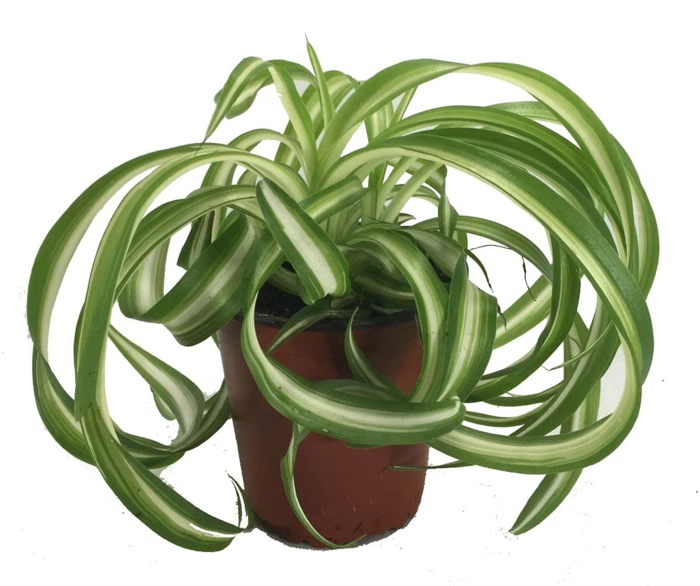
Bonnie Curly Spider Plant, 4-inch Pot
The Bonnie Curly Spider Plant arrives in a 4-inch pot for $16.40, making it the lowest-cost option in this collection and an ideal first plant when budget matters. Spider plants tolerate low light and irregular watering schedules, two traits that forgive the learning curve most beginners face. The curled, ribbon-like foliage adds texture without demanding constant attention.
What sets this plant apart is its habit of producing baby plantlets - small offshoots that dangle from mature stems. You can snip these and root them in water or soil to grow additional plants at no extra cost, a feature that makes sharing with friends or expanding your collection easy. This propagation ability offers a tangible return on the initial purchase and encourages hands-on learning about plant reproduction.
The tradeoff is starter size. At the listed size, this pot is smaller than the 6-inch succulent arrangement reviewed earlier, so the visual presence is more modest on day one. Growth is faster than many succulents, though, and within a few months the cascading leaves and plantlets create noticeable volume. If you want immediate impact, the larger pot delivers more from the start; if you prefer watching progress and experimenting with propagation, this spider plant rewards patience and curiosity without stretching your budget.
- ✅ Lowest price at $16.40
- ✅ Tolerates low light and missed waterings
- ✅ Produces free baby plantlets for propagation
- ✅ Faster growth than many succulents
- ⚠️ Smaller 4-inch starter size offers less immediate visual impact
- ⚠️ Requires a few months to develop cascading volume
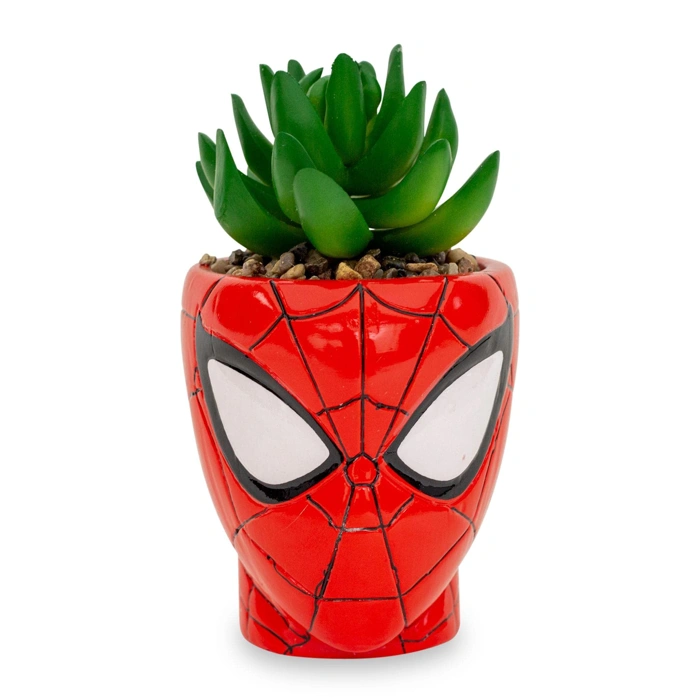
Marvel Comics Spider-Man Web-Head 3-inch Ceramic Mini Planter with Artificial Succulent
The Marvel Comics Spider-Man Web-Head 3-inch Ceramic Mini Planter with Artificial Succulent is designed for anyone who wants greenery on their desk or shelf without the responsibility of keeping a live plant alive. This ceramic planter comes with a permanently attached artificial succulent, which means no watering schedule, no sunlight requirements, and no risk of browning leaves.
The 3-inch ceramic planter features Spider-Man's iconic web-head design, adding personality to small spaces like desks, bookshelves, or windowsills. Because the succulent is artificial, it works equally well in windowless offices, dorm rooms, or any corner where a live plant would struggle. The compact size fits into tight spots without crowding other items.
The tradeoff is straightforward: this is not a live plant. It won't grow, change with the seasons, or provide the hands-on learning experience that comes with watering, pruning, and troubleshooting real foliage. For someone building confidence with plant care, this planter can fill visual space and add character while you practice with a few forgiving live plants nearby. It also works as a permanent, low-commitment accent piece that never needs attention.
At $23.99, the planter sits at the higher end of decorative mini planters, but the licensed character design and maintenance-free setup may appeal to Marvel fans or anyone who wants instant, foolproof greenery. The ceramic construction is durable, and the artificial succulent stays dust-free with occasional light cleaning.
- ✅ Zero watering or light requirements - works in any room
- ✅ 3-inch ceramic planter fits desks and small shelves
- ✅ Spider-Man design adds personality to minimalist spaces
- ✅ No risk of plant death or maintenance mistakes
- ⚠️ Artificial succulent means no live plant care experience
- ⚠️ Higher price point at $23.99 for a decorative accent
- ⚠️ Does not grow or change over time
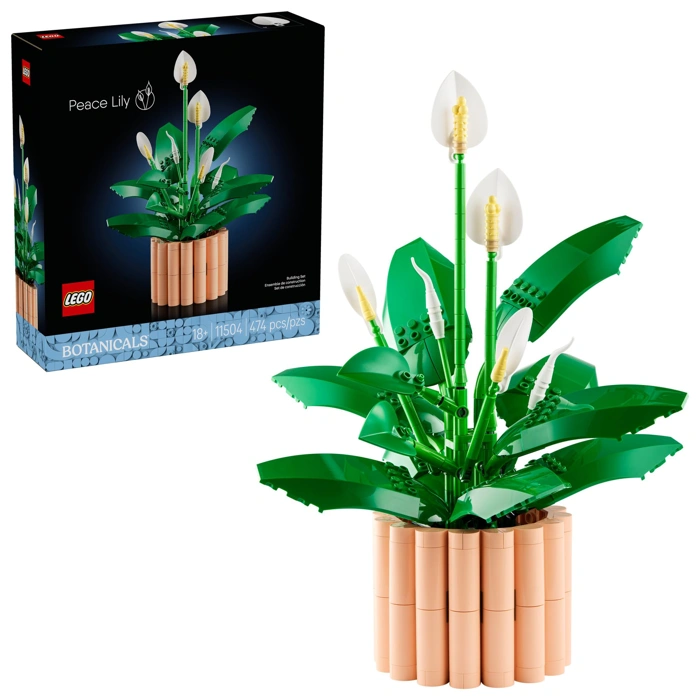
LEGO Botanicals Peace Lily Artificial Flower Building Set for Adults, 11504
The LEGO Botanicals Peace Lily is a different approach entirely: you build your greenery instead of growing it. At $45.99, it's the premium pick on this list, but it doubles as a screen-free evening activity and results in a permanent display piece that never wilts, browns, or needs watering.
This set arrives as individual LEGO bricks that you assemble into a realistic peace lily arrangement, complete with broad green leaves and white spathes. The building process itself is the first benefit - it offers a few hours of focused, hands-on creativity that many buyers find relaxing. Once complete, the finished piece sits in its included pot and delivers the visual impact of a real plant without any ongoing care requirements.
The tradeoff is obvious: this isn't a living plant. It won't purify air, grow new leaves, or give you the satisfaction of nurturing something alive. But for anyone who travels frequently, forgets to water, or simply wants can help greenery in a low-light corner, the LEGO Peace Lily solves the problem permanently. It's also ideal for desks, shelves, or windowsills where pets might knock over real pots or nibble on soil.
At nearly twice the cost of a live peace lily, this option makes the most sense if you value the building experience or need a zero-maintenance solution that still looks intentional and stylish. The 4.8/5 rating reflects strong satisfaction among buyers who appreciate the dual appeal of craft project and decor.
If you want the look of a thriving indoor garden but can't commit to watering schedules or light requirements, this set delivers high visual impact with zero risk of failure. Just check the current piece count to confirm it matches your available building time and shelf space.
- ✅ Never wilts, browns, or requires watering
- ✅ Building process offers screen-free, relaxing activity
- ✅ High visual impact with zero ongoing care
- ✅ Safe around pets and in low-light areas
- ⚠️ Highest cost option at $45.99
- ⚠️ Not a living plant - no growth or air benefits
- ⚠️ Requires assembly time before display
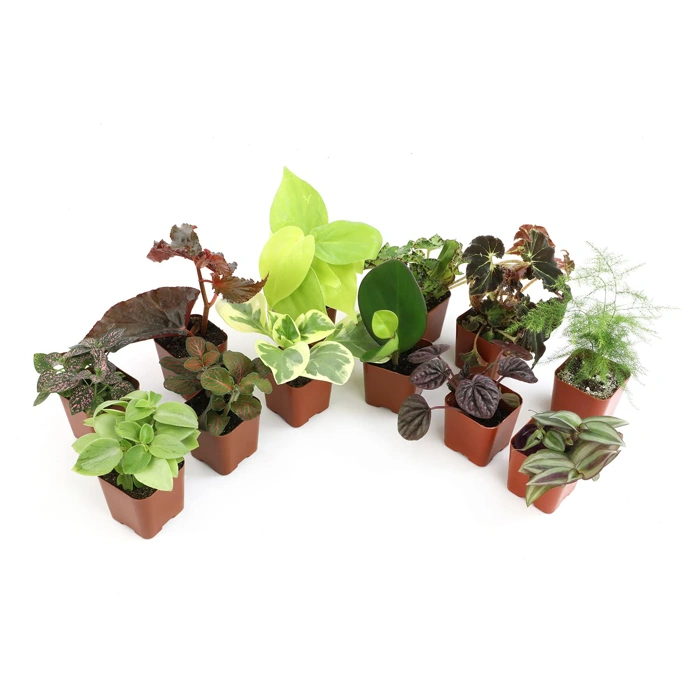
Altman Plants Live Houseplants (12PK)
The Altman Plants Live Houseplants 12-pack delivers exactly what beginning plant parents need most: variety without risk. At $23.77 for twelve small plants, you're paying under $2 per specimen, making this the most economical way to explore different care needs and discover which species thrive in your specific conditions.
This multi-pack approach gives you flexibility the single-species options can't match. Spread plants across a sunny kitchen windowsill, a dim bathroom counter, and a bright living room shelf simultaneously. When one struggles, you still have eleven others growing - a reassuring hedge against the learning curve every beginner faces.
The tradeoff is size and immediate presence. Each plant arrives smaller than the 8-inch specimens we've covered, so they won't command attention on a dining table the way a mature Pothos or large succulent would. You're trading visual impact for experimentation budget. If your goal is filling one statement spot, a single larger plant makes more sense. If you want to test your instincts across multiple rooms and light conditions, this variety pack is the smarter investment.
The 4.2/5 rating reflects the reality of shipping live plants in quantity: occasional damage or slower-growing specimens appear in some shipments. Inspect each plant on arrival and focus care on the healthiest individuals first while slower ones establish roots.
For someone decorating a first apartment or testing whether plant care fits their routine, twelve inexpensive chances to learn beat one expensive guess. You'll quickly identify which species tolerate your watering habits and which rooms offer the light each variety prefers - knowledge that guides every future purchase.
- ✅ Under $2 per plant makes experimentation affordable
- ✅ Variety lets you test different care needs and light conditions
- ✅ Spread plants across multiple rooms without repeat purchases
- ✅ Low financial risk while learning watering and placement habits
- ⚠️ Smaller individual plants offer less immediate visual impact
- ⚠️ Shipping twelve live specimens occasionally results in damage
- ⚠️ Learning twelve different care routines at once may feel overwhelming for absolute beginners