We may earn a commission when you buy through links on this page, at no extra cost to you. How this works.
Neem Oil for Plants, 30-Bottle Concentrate, with Spray & Essential Oils for Leaf Shine
Compare neem oil and insecticidal soap for houseplant pest control—safety, cost, and which works best.
Use the matching tool first
Start with Indoor Plant Light Matcher if you want to narrow the fit before checking current offers.
Houseplant pests show up without warning, and choosing the right control method can feel confusing when you're standing in the garden aisle or scrolling through options online. Both neem oil and insecticidal soap cost less than ten dollars for a ready-to-use bottle, but they tackle pest problems in fundamentally different ways. If you need immediate knockdown of aphids or spider mites crawling across your fiddle leaf fig, insecticidal soap works on contact and rinses clean within hours. If you want ongoing prevention and are willing to apply treatments over several days, neem oil disrupts insect feeding and reproduction while leaving a protective residue.
Safety matters when you're spraying plants in apartments, small living spaces, or homes with pets and kids nearby. Insecticidal soap breaks down quickly and leaves minimal residue, making it a low-risk choice for frequent spot treatments. Neem oil requires more ventilation during application and takes longer to dry, but it offers a broader mode of action that can slow down recurring infestations of mealybugs, scale, and fungus gnats.
This guide compares neem oil and insecticidal soap across effectiveness, safety, application ease, and suitability for common indoor pests. You'll see how each product works, what tradeoffs you accept, and which situations favor one over the other. The goal is to match the right tool to your pest pressure, plant sensitivity, and living environment so you can make a confident decision without guessing.
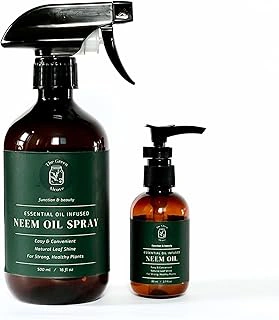
Neem Oil for Plants, 30-Bottle Concentrate, with Spray & Essential Oils for Leaf Shine
This concentrate ships with a spray bottle and blends neem oil with essential oils designed to add shine to leaves while addressing common houseplant pests. The 30-bottle yield matters if you keep multiple plants or rotate between prevention and spot treatment - at $19.97, that translates to about multiple cents per bottle once diluted, a useful data point for budget planning.
The 4.4 rating reflects feedback on convenience and value. Because you dilute to match pest pressure, you control concentration for soft-bodied insects like aphids or spider mites without committing to a single strength. The included spray bottle removes one step, though some users prefer their own mister for finer droplet control.
Essential oils in the formula aim to improve leaf appearance alongside pest management. If you already polish foliage or want a combined approach, this feature adds utility. If you prefer pure neem without fragrance or shine agents, check the ingredient list to confirm the blend suits your routine.
Concentrate format means longer shelf life and flexibility: mix smaller batches for single plants or prepare a full bottle when treating an infestation across your collection. The trade-off is the extra dilution step compared to ready-to-use sprays, but the per-application cost stays lower over time.
- ✅ 30-bottle concentrate yield offers strong per-use value at $19.97
- ✅ Includes spray bottle for immediate use without extra purchases
- ✅ Dilution flexibility lets you adjust strength for prevention or active treatment
- ✅ Essential oils add leaf shine alongside pest control
- ⚠️ Requires dilution step before each use
- ⚠️ Essential oil blend may not suit users who prefer pure neem formulations
What is Neem Oil? The All-in-One Plant Protector
Neem oil comes from the seeds of the neem tree and has been used for generations to manage pests and plant health issues. For houseplant owners, it works as a multipurpose tool that targets soft-bodied insects like aphids, spider mites, mealybugs, and whiteflies while also addressing certain fungal problems such as powdery mildew.
The active compound, azadirachtin, interferes with insect feeding, growth, and reproduction rather than killing on contact. When pests ingest or come into contact with neem oil, they stop eating, fail to mature properly, and produce fewer offspring. This mode of action means you won't see instant results, but populations decline over repeated applications.
Because neem oil also forms a coating on leaf surfaces, it can smother small pests and discourage new arrivals from settling. The oil needs to be mixed with water and an emulsifier - usually a few drops of mild dish soap - before spraying, and most formulations recommend reapplication every seven to fourteen days until the infestation is under control.
Houseplant enthusiasts favor neem oil for its versatility. A single bottle addresses both pest pressure and fungal issues, reducing the need for multiple products. The tradeoff is the smell, which some find unpleasant, and the need for thorough coverage and patience. Neem oil works best as part of a routine rather than a one-time fix, and it performs most effectively when applied early in an infestation before populations explode.
Pros and Cons of Using Neem Oil
Neem oil offers broad-spectrum control that covers both insects and fungal issues, making it a flexible choice when you're dealing with overlapping problems or want a single product for routine prevention. Its active compounds disrupt pest feeding and reproduction over several days, so you can treat less frequently than you would with contact-only sprays. Many growers appreciate that neem works systemically when absorbed through leaves, providing residual protection between applications.
The trade-offs are real. Neem has a pronounced earthy smell that lingers indoors, and most formulations require careful dilution before use. If you mix it too strong or apply it in bright light, you risk leaf burn on sensitive species like ferns, calatheas, and succulents. The oil leaves a visible film on foliage that takes time to dry, and in high humidity that drying window can invite fungal growth instead of preventing it. Because neem acts slowly by interfering with pest life cycles rather than killing on contact, you won't see immediate results the way you do with insecticidal soap. Plan on repeating applications every seven to fourteen days and checking plant tolerance with a test spot first.
Neem is most useful when you need lasting protection across multiple pest types or want to prevent infestations before they start, but it demands attention to timing, dilution, and plant compatibility.
What is Insecticidal Soap? The Gentle Pest Solution
Insecticidal soap is a contact spray formulated from potassium salts of fatty acids, compounds that occur naturally in plant and animal fats. When sprayed directly onto soft-bodied insects, these salts disrupt the protective outer coating of the pest, causing dehydration and death within hours. The solution targets aphids, whiteflies, spider mites, mealybugs, and thrips - common houseplant pests with vulnerable exoskeletons.
The mechanism is purely physical rather than chemical poisoning, which is why insecticidal soap is often called a gentle option. It works only on contact, so coverage matters: you need to spray the pest directly, including the undersides of leaves where many insects hide. Miss a spot, and survivors will repopulate quickly.
Because insecticidal soap breaks down rapidly after application, it leaves no residual protection. Repeat sprays every few days are usually necessary to catch newly hatched insects and manage an infestation over time. The trade-off for this gentleness is vigilance - you'll need consistent follow-through rather than one-and-done control.
Insecticidal soap poses minimal risk to plants when used as directed, though some species with waxy or hairy leaves can show sensitivity. A quick rinse a few hours after application can reduce the chance of leaf burn on delicate foliage, especially in hot or bright conditions.
Pros and Cons of Using Insecticidal Soap
Insecticidal soap works by breaking down the protective outer layer of soft-bodied insects like aphids, whiteflies, and spider mites, causing them to dehydrate. Because it only affects pests on contact, you need to spray directly onto the insects themselves - coverage matters more than timing.
One advantage is how cleanly it rinses away. Unlike neem oil, insecticidal soap leaves no sticky residue on leaves or windowsills, and it has little to no smell. For growers who dislike the earthy odor of neem or who keep plants in living spaces, this makes a real difference in day-to-day comfort.
Insecticidal soap is also gentler on certain sensitive plants. Ferns, succulents with waxy coatings, and young seedlings that might struggle with oil-based sprays often tolerate soap better when diluted correctly and applied in cooler conditions.
The biggest limitation is the lack of residual protection. Once the spray dries, it stops working. If a new aphid lands on your pothos the next day, the soap won't touch it. This means you'll need to reapply every few days during an active infestation, and scouting becomes part of the routine.
Timing and environment also matter. Spraying in direct sun, high heat, or low humidity can cause leaf burn, especially on thinner foliage. The soap can dry too quickly, concentrating salts on the leaf surface and damaging plant tissue. For best results, apply in early morning or evening when temperatures are mild and light is indirect.
If you're dealing with hidden pests like mealybugs tucked into leaf axils or spider mites on the undersides of leaves, insecticidal soap requires thorough, repeated coverage. Missed insects survive and reproduce, so the effort level is higher than with treatments that offer some residual activity.
Head-to-Head: Neem Oil vs. Insecticidal Soap on Safety, Effectiveness, and Use
Choosing between neem oil and insecticidal soap comes down to matching the product's strengths to your pest problem, household situation, and maintenance habits. Both are low-toxicity options when applied as directed, but they work differently and fit different scenarios.
Safety for humans and pets ranks similarly for both: minimal risk with normal use. Insecticidal soap requires basic skin and eye precautions during mixing and spraying. Neem oil shares those precautions and adds a stronger odor that some people find unpleasant indoors. Neither product poses significant hazard to pets once the spray dries on foliage, though keeping animals away during application is sensible practice.
Speed of action favors insecticidal soap. It kills soft-bodied insects like aphids and whiteflies within minutes of contact. Neem oil works more slowly, disrupting insect feeding and growth over days or weeks. If you need to knock down a visible infestation quickly, soap delivers faster results. If you want residual protection that discourages new pests from settling in, neem's longer-lasting film on leaves provides that advantage.
Pest range is broader with neem oil. Its mode of action affects a wider spectrum of insects, including those with harder bodies and those that feed by chewing or sucking. Insecticidal soap excels against soft-bodied pests but has little effect on beetles, caterpillars, or spider mites with waxy coats. For mixed infestations or unknown pests, neem covers more ground.
Residue and cleanup differ noticeably. Insecticidal soap rinses off leaves easily and leaves minimal film, which simplifies cleanup but also means shorter protection. Neem oil leaves a light coating that can look slightly shiny or greasy on foliage and may require wiping if buildup becomes visible. That residue is also what extends its deterrent effect between applications.
Scent is a practical consideration indoors. Insecticidal soap is nearly odorless or carries a mild soapy smell that dissipates quickly. Neem oil has a strong, earthy, garlic-like odor that lingers for hours and can be off-putting in enclosed spaces. Ventilation helps, but if scent sensitivity is a concern, soap is the more neutral choice.
Ease of use tilts slightly toward insecticidal soap. It mixes with water in straightforward ratios, sprays on, and requires no emulsifier. Neem oil needs an emulsifier or comes pre-mixed, and application timing matters more because it degrades in bright light. Both require thorough leaf coverage, but soap's simpler mixing and faster dry time make it more forgiving for beginners.
Price per application is typically lower for insecticidal soap. Concentrated formulas stretch further, and the product itself costs less per ounce than pure or clarified neem oil. Neem's higher cost is offset by its dual role as both pesticide and growth disruptor, which may reduce the total number of treatments needed over a season.
The tradeoff is clear: insecticidal soap is faster, simpler, and less obtrusive for quick pest control on soft-bodied insects. Neem oil is slower but broader in effect, offers residual deterrence, and handles a wider pest menu at the cost of odor and slightly more involved application.
When to Use Neem Oil (And When Not To)
Neem oil works best when you need broad-spectrum coverage or want to prevent pest problems before they start. Its systemic action means fewer repeat applications, making it practical for busy growers who prefer a spray-once-every-two-weeks routine. If you're dealing with multiple pest types at once - aphids on one plant, spider mites on another, and whiteflies hovering around a third - neem oil simplifies your treatment schedule. It also addresses powdery mildew and other fungal issues that insecticidal soap cannot touch, which makes it a strong choice during humid seasons when both pests and pathogens appear together.
Skip neem oil on plants with fuzzy or very thin leaves, such as African violets, begonias with soft foliage, or calatheas known for leaf sensitivity. The oil can clog fine leaf hairs or leave persistent residue on delicate surfaces, leading to cosmetic damage or poor gas exchange. High humidity without good air circulation creates conditions where neem oil dries slowly, raising the risk of fungal growth on the leaf surface rather than preventing it. If you live in a small studio or bedroom setup, the earthy, pungent smell of neem oil can linger for hours and may be unpleasant in confined spaces with limited ventilation.
Timing matters: apply neem oil in early evening or when plants are out of direct sun. Oil droplets act as tiny lenses that can focus light and burn leaf tissue during peak daylight hours. Let foliage dry completely before moving plants back into bright light. Wait at least two weeks between neem oil treatments to avoid buildup, and rinse leaves with plain water if you notice a sticky or greasy film. Use neem oil when you want longer protection intervals and can tolerate its odor and drying time, but reach for insecticidal soap if your plants are sensitive, your space is small, or you need a treatment that rinses away cleanly within hours.
When to Use Insecticidal Soap (And When Not To)
Insecticidal soap works best when you need quick results on soft-bodied pests you can already see. If aphids, whiteflies, or spider mites are crawling across your leaves right now, soap delivers immediate contact kill without leaving an oily film behind. It rinses away cleanly, making it a practical choice for plants displayed indoors where visible residue matters.
Choose soap over oil when working with thin-leaved or delicate houseplants that show sensitivity to oil-based products. Ferns, African violets, and young seedlings often tolerate soap better because it doesn't coat stomata or clog pores the way heavier oils can. Soap also dries faster, reducing the window for humidity-related issues in rooms with poor air circulation.
Timing and temperature determine success. Apply soap early in the morning or late in the evening, never in direct sun or when temperatures climb above 80°F. Heat accelerates evaporation and concentrates soap on leaf surfaces, leading to burn marks and brown spots. Always test a small area first and wait 24 hours before treating the entire plant.
Understand that insecticidal soap offers no residual protection. It kills only the pests it touches during application, so eggs laid yesterday or insects arriving tomorrow remain untouched. This makes soap ideal for spot treatment and reactive management, not long-term prevention. You'll need to reapply every few days while monitoring for new activity, especially during active growing seasons when pest populations rebound quickly.
Skip soap if your plant sits in a hot window, if you're managing recurring infestations, or if you need something that discourages future pests. In those cases, the preventive qualities and longer-lasting coverage of neem oil usually prove more efficient.
The Verdict: Which Pest Control Should You Choose?
Choosing between neem oil and insecticidal soap depends on whether you're facing an active infestation or trying to prevent one. Insecticidal soap works faster when pests are already visible, knocking down aphids, spider mites, and whiteflies within hours through direct contact. Neem oil takes longer to show results but offers broader protection: it disrupts insect life cycles, deters future arrivals, and adds a layer of fungal defense that soap cannot provide.
If you spot pests crawling on your pothos or fiddle leaf fig today, reach for insecticidal soap first. Its simplicity and speed make it ideal for quick intervention, and it rinses away cleanly without leaving residue. For ongoing prevention or mixed pest pressure, neem oil becomes the more versatile choice, especially if you want one product that handles both insects and early signs of powdery mildew.
Most experienced indoor gardeners keep both on hand. Use soap for sudden outbreaks and neem oil as part of a monthly maintenance routine during growing season. Neither requires special equipment, both break down naturally, and both are gentle enough for sensitive plants when diluted and applied correctly.
Start with the product that matches your immediate need and comfort level. If you prefer a ready-to-use spray with no mixing, insecticidal soap is the simpler entry point. If you want a multipurpose solution and don't mind a bit of preparation, neem oil offers more flexibility over time. Both are affordable, widely available, and safe for indoor use when label directions are followed.
Healthy plants resist pests better than stressed ones, so pair whichever product you choose with consistent watering, adequate light, and regular leaf inspections. Catching problems early - whether with soap or neem - keeps small issues from becoming large infestations.
Quick Decision Checklist: Which Pest Control is Right for You?
- Choose neem oil if you want ongoing prevention and broader pest coverage
- Choose insecticidal soap if you need fast results on visible pests right now
- Pick neem oil if you're treating multiple plants and want longer protection
- Pick insecticidal soap if you have delicate plants or want no oily residue
- Use neem oil for fungal issues like powdery mildew in addition to pests
- Use insecticidal soap for heavy infestations where you can spray pests directly