We may earn a commission when you buy through links on this page, at no extra cost to you. How this works.
If you've spotted tiny black flies hovering around your houseplants or circling the potting soil every time you water, you're dealing with fungus gnats. These pests are frustrating because they multiply quickly, and most people only treat the adults they can see - ignoring the hundreds of larvae feeding on organic matter and plant roots beneath the soil surface.
Fungus gnats thrive in moist potting mix rich in decomposing material. The adults lay eggs in the top layer of soil, and within days, larvae hatch and begin feeding. A single female can lay up to 200 eggs in her short lifespan, which means a small problem can explode into a full infestation in less than two weeks. The larvae don't just break down organic matter - they also damage fine root hairs, weakening your plants and leaving them vulnerable to disease.
This guide is built for houseplant owners who are tired of swatting flies and watching their plants struggle. It's for anyone who has tried sticky traps or surface sprays only to see the gnats return days later. The solution isn't complicated or expensive, but it does require targeting both life stages: killing the larvae where they breed and interrupting the adult population before they can lay more eggs.
Success comes from breaking the lifecycle, not chasing symptoms. That means drying out the top layer of soil, applying a larvicide that works in the root zone, and using traps to capture adults before they reproduce. When you address all three points consistently, fungus gnats stop coming back.
What Fungus Gnats Are and Why They Love Your Plants
Fungus gnats are tiny, dark-colored flies - usually black or gray - that measure just 1/8 inch long. You'll often see them hovering around the soil surface of your houseplants or flitting near windows. While the adult gnats are mostly a nuisance, their larvae live in the top few inches of moist potting soil and feed on organic matter, fungi, and tender plant roots. That root damage is what weakens your plants over time.
The lifecycle explains why fungus gnats can feel so persistent. Adult females lay up to 300 eggs in damp soil. Those eggs hatch into larvae within four to six days. The larvae feed for about two weeks before pupating and emerging as adults, who live another week or so and start the cycle over again. In warm indoor conditions, you can have overlapping generations every three to four weeks.
Fungus gnats thrive in consistently moist environments. Overwatering is the single biggest trigger: when soil stays wet, it creates ideal conditions for the organic material and fungi that larvae eat. Potting mixes rich in peat, compost, or bark hold moisture longer and provide abundant food for larvae. Even a single overwatered plant can become a breeding ground that spreads gnats to nearby pots.
Because adults and larvae occupy different environments - air versus soil - and because eggs, larvae, pupae, and adults are all present at once, you need a multi-pronged approach. Killing only the flying adults won't stop new ones from emerging. Letting the soil dry out helps, but it won't eliminate eggs already laid or larvae deep in the pot. The most effective strategies interrupt the lifecycle at multiple stages: trapping adults, targeting larvae in the soil, and adjusting watering habits to make your plants less hospitable.
The Three-Step Method That Actually Works
Getting rid of fungus gnats requires more than swatting a few adults - you need to target every stage of their life cycle at once. The most reliable approach is a three-step method that stops reproduction, eliminates existing populations, and prevents future outbreaks.
Step 1: Kill the larvae in the soil. Adult gnats are a nuisance, but the real problem lives below the surface. Larvae feed on organic matter and plant roots in moist potting mix, and a single female can lay up to 200 eggs. Soil treatments work by either suffocating larvae or disrupting their ability to feed and develop. Without controlling the larvae, new adults will keep emerging no matter how many you trap.
Step 2: Trap the flying adults. While soil treatment handles the next generation, adult gnats are still flying, mating, and laying eggs. Sticky traps catch adults before they can reproduce, breaking the cycle faster. They also give you a visual gauge of how severe the infestation is and whether your treatment is working. Traps alone won't solve the problem, but they're essential for cutting down the breeding population quickly.
Step 3: Adjust your care routine to prevent re-infestation. Even after larvae are gone and adults are trapped, fungus gnats will return if conditions stay favorable. They thrive in consistently wet soil, so letting the top layer dry between waterings removes their ideal breeding ground. Reducing humidity around the soil surface, removing dead leaves, and avoiding organic mulch or top-dressings also make your plants far less attractive to egg-laying females.
This method works because it addresses all three stages - eggs and larvae in the soil, reproducing adults in the air, and the environmental conditions that invite them back. Skipping any step leaves gaps in control. The process is straightforward, but it does require consistency for about two to three weeks as you break the gnat life cycle completely.
What Matters Most: Moisture Control
The single most important factor in stopping fungus gnats for good is moisture control. Overwatering creates the damp soil environment fungus gnat larvae need to survive and multiply. Even if you eliminate an active infestation with traps or treatments, the problem will return within weeks if soil stays consistently wet.
Fungus gnat larvae feed on decaying organic matter and fungi that thrive in soggy soil. When the top layer of soil dries out, that habitat disappears. Most houseplants tolerate - and many prefer - letting the top one to two inches of soil dry between waterings. This simple adjustment breaks the gnat life cycle without stressing your plants.
To check moisture accurately, use the finger test: push your index finger into the soil up to the second knuckle. If it feels damp or cool, wait to water. If it feels dry and crumbly, it's time. The weight test works well for smaller pots - lift the container after watering to learn how heavy it feels, then compare before the next watering. A noticeably lighter pot usually means the soil has dried enough.
Understand the tradeoff: some tropical plants and seedlings need consistent moisture, so drying the top layer may not suit every species. For those plants, focus on improving drainage with perlite or coarse sand mixed into the potting mix, and use yellow sticky traps or other control methods more actively. For the majority of common houseplants - pothos, snake plants, philodendrons, succulents - letting soil dry between waterings is both healthier for the plant and lethal to gnat larvae.
Products like sticky traps, beneficial nematodes, and soil drenches can knock down an existing population quickly, but moisture control is what prevents the next generation. Make watering adjustments first, then layer in other tools as needed. This approach addresses the root cause rather than just managing symptoms, and it costs nothing to implement.
Common Mistakes That Make Fungus Gnats Worse
Even experienced plant owners make a handful of mistakes that turn a minor fungus gnat problem into a persistent infestation. Understanding these missteps helps you avoid the frustration of treatments that don't stick.
Watering on a fixed schedule is one of the most common errors. If you water every Sunday regardless of soil moisture, you're creating the damp environment fungus gnat larvae thrive in. Instead, check the top two inches of soil with your finger before watering. Let it dry out between waterings, especially for plants that tolerate slight drought.
Relying solely on sticky traps is another pitfall. Traps catch adult gnats, which helps reduce the visible nuisance and slows reproduction, but they don't touch the larvae feeding in the soil. Without treating the root cause, new adults will keep emerging. Pair traps with a larvicide or soil treatment to break the cycle.
Giving up after a single treatment rarely works because fungus gnats have overlapping life stages. Eggs, larvae, pupae, and adults are all present at once, and one application won't reach them all. Plan for at least two to three weeks of consistent treatment, reapplying as directed, to catch every generation.
Adding organic mulch, compost, or top dressings to your houseplant soil can backfire. These materials decompose and provide fresh food for larvae, extending the infestation. If you've recently top-dressed your plants and noticed more gnats, remove the layer and let the soil surface dry.
Skipping quarantine for new plants is a classic oversight. Fungus gnat eggs or larvae often hitch a ride in potting mix from the nursery or garden center. Keep new arrivals separate for at least two weeks and inspect the soil closely. If you spot gnats, treat that plant before introducing it to your collection.
Each of these mistakes is fixable. Adjust your watering habits, treat both larvae and adults, stay consistent through the full life cycle, avoid adding organic matter to the surface, and quarantine newcomers. These small changes make the difference between a recurring headache and a gnat-free home.
How Long It Takes to Eliminate an Infestation
Getting rid of fungus gnats isn't instant, but it follows a predictable timeline if you stay consistent. With the right combination of treatments - sticky traps, soil drying, and a larvicide like Bti - most infestations are fully eliminated in 3 to 4 weeks. That window aligns with the fungus gnat lifecycle: eggs hatch in 4 to 6 days, larvae develop for about 2 weeks, then pupate and emerge as adults within a few more days. Breaking that cycle takes time, but you'll see progress much sooner.
Adults you see flying around will die within days once they're caught on traps or can't find moist soil to lay eggs in. The real battle is with the eggs and larvae already in the soil. Bti treatments kill larvae as they feed, but eggs that were laid just before you started treatment will still hatch. That's why you might see a small second wave of adults about a week in - it doesn't mean the treatment failed, it means those late-stage eggs are hatching into a treated environment.
Most people notice a significant drop in adult gnats within the first 5 to 7 days. Traps fill up, fewer gnats hover around the soil surface, and plants look less stressed. By the end of week two, new adults should be rare. By week three, if you've kept soil on the dry side and reapplied Bti as directed, the population should be nearly gone. Week four is about making sure no stragglers remain and that any eggs laid early on have run their course.
The biggest mistake is stopping treatment as soon as you see improvement. If you quit after one week because the gnats seem gone, you're likely leaving larvae in the soil that will mature and restart the cycle. Stick with the plan for the full month, even if it feels like overkill. Fungus gnats reproduce quickly, and a few survivors can rebuild a population in days under the right conditions.
If you're still seeing steady numbers of adults after two weeks of consistent treatment, revisit your approach: check that soil is drying properly between waterings, confirm you're treating every affected plant, and make sure you're using fresh Bti and replacing traps regularly. Occasionally, gnats will reinfest from a forgotten saucer of standing water, a bag of damp potting soil, or a neighboring plant. Persistence and thoroughness are what turn a temporary reduction into a permanent solution.
Final Takeaway: You Can Beat Fungus Gnats
Fungus gnats are frustrating, but they're completely solvable. You don't need expensive treatments, complicated routines, or a degree in entomology. The three-method approach - killing larvae with BTI, trapping adults with sticky traps, and preventing future infestations by controlling moisture - works when applied consistently.
For under $50, you can stock up on everything you need to treat multiple plants for months. BTI granules or mosquito dunks handle the root zone where larvae feed. Yellow sticky traps catch the flying adults before they can lay more eggs. And adjusting your watering habits - letting the top layer of soil dry between waterings - removes the damp environment gnats need to thrive.
Success doesn't come from finding a magic product. It comes from sticking with the plan for two to three weeks, even after you stop seeing adults. Larvae take time to complete their life cycle, so consistent treatment breaks the reproduction loop. If you skip days or stop too early, the population rebounds quickly.
Fungus gnats are a normal part of indoor plant care, especially if you love keeping your soil moist or bring in new plants regularly. Now you have the tools and the knowledge to handle them confidently whenever they appear. You're not fighting an impossible battle - you're managing a predictable pest with straightforward, affordable methods.
If you're ready to start treatment, revisit the product recommendations earlier in this guide. Grab BTI, sticky traps, and commit to better watering habits. Your plants - and your peace of mind - will thank you.
Step-by-Step: How to Eliminate Fungus Gnats
- Let soil dry out between waterings - larvae need moisture to survive
- Water plants with BTI solution (mosquito dunk water) to kill larvae in soil
- Place sticky traps at soil level near each infested plant to catch adults
- Spray soil surface and lower leaves with neem oil every 7-10 days
- Remove and discard heavily infested top layer of soil if population is severe
- Repeat treatments for 3-4 weeks to break the full lifecycle
Prevention Checklist: Keep Them Gone for Good
- Water only when top inch or two of soil is dry to the touch
- Use pots with drainage holes to prevent water from pooling at the bottom
- Inspect all new plants for signs of gnats before bringing them home
- Quarantine new plants for 1 - 2 weeks away from your main collection
- Add a thin layer of sand or pebbles on soil surface to deter egg-laying
- Keep a few sticky traps up year-round as early warning system
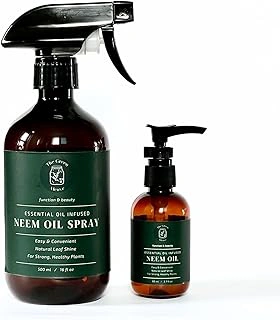
Neem Oil for Plants, 480 fl oz, with Spray Bottle & Essential Oils
If you manage a larger houseplant collection or need an ongoing prevention solution, this 480 fl oz neem oil concentrate offers serious value at $22.00. Unlike ready-to-use sprays, this bottle requires mixing with water - more work upfront, but the concentrate yields many gallons of usable spray, making the per-application cost far lower than pre-mixed bottles.
The package includes a spray bottle and essential oils, so you have what you need to start mixing immediately. For plant owners committed to regular treatment or prevention schedules, the volume here supports months of use across multiple plants without needing frequent repurchases.
Mixing ratios matter. Follow the label instructions carefully to avoid applying too strong a solution, which can burn leaves or stress plants. The extra step of mixing adds a few minutes to each application, but the tradeoff is clear: far more product for the price. This concentrate makes sense for anyone treating several plants regularly or maintaining a preventative spray routine over time.
Best for committed plant owners with larger collections who want long-term value and don't mind the mixing process.
- ✅ 480 fl oz concentrate makes many gallons of spray
- ✅ $22.00 price offers strong value for volume
- ✅ Includes spray bottle and essential oils
- ✅ Ideal for multiple plants or ongoing prevention
- ⚠️ Requires mixing with water before each use
- ⚠️ Must follow label ratios carefully to avoid leaf burn
- ⚠️ More work than ready-to-use sprays
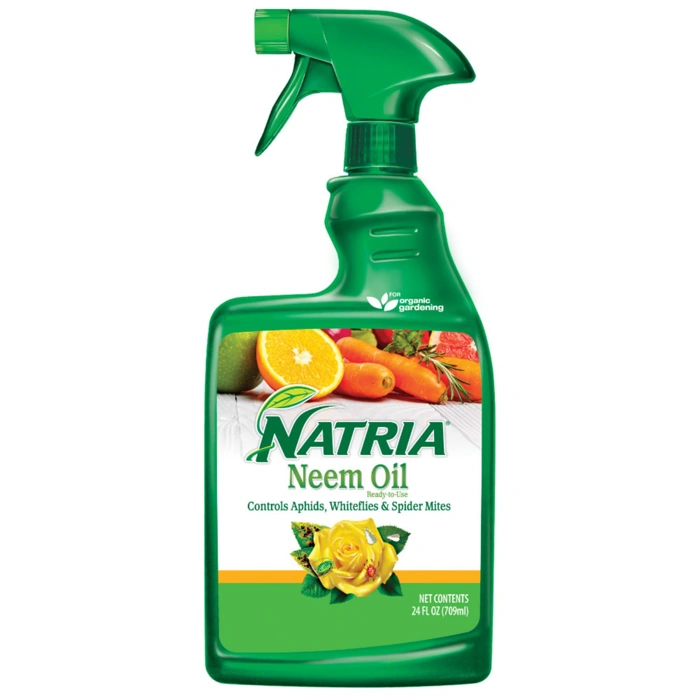
Natria Neem Oil Spray for Plants, Pest & Disease Control, 24-Ounce
The Natria Neem Oil Spray is a ready-to-use option for fungus gnat control that requires no measuring or mixing. At $12.99 for the listed size, this spray offers convenience for spot treatment and preventive maintenance on houseplants.
Neem oil works by disrupting insect lifecycles and creating conditions that discourage larvae and eggs on the soil surface. When you spray the top inch of soil and the base of stems, the oil coating makes the environment less hospitable for fungus gnat reproduction. This makes it a useful supplement to mosquito dunks, which work in the soil itself.
Because this formula arrives ready to spray, you can treat individual plants or smaller infestations without dilution work. The spray also addresses other common houseplant pests like aphids and spider mites, making it a multi-purpose tool for your plant care routine.
Neem oil is gentler than synthetic pesticides, but that also means it requires consistent reapplication. Plan to spray every multiple during active infestations, covering the soil surface thoroughly. The oil breaks down with light and time, so regular retreatment maintains effectiveness.
This approach works best when combined with other fungus gnat strategies: let soil dry between waterings, use mosquito dunks for larvae in the soil, and deploy sticky traps for adults. The spray handles surface eggs and provides an additional barrier, but it won't eliminate gnats on its own if the soil stays wet or larvae continue hatching below the surface.
- ✅ Ready to use with no mixing required
- ✅ Works on fungus gnats and other common houseplant pests
- ✅ Gentler alternative to synthetic pesticides
- ⚠️ Requires reapplication every 7-14 days
- ⚠️ Most effective when combined with other control methods
- ⚠️ Oil breaks down with light exposure over time
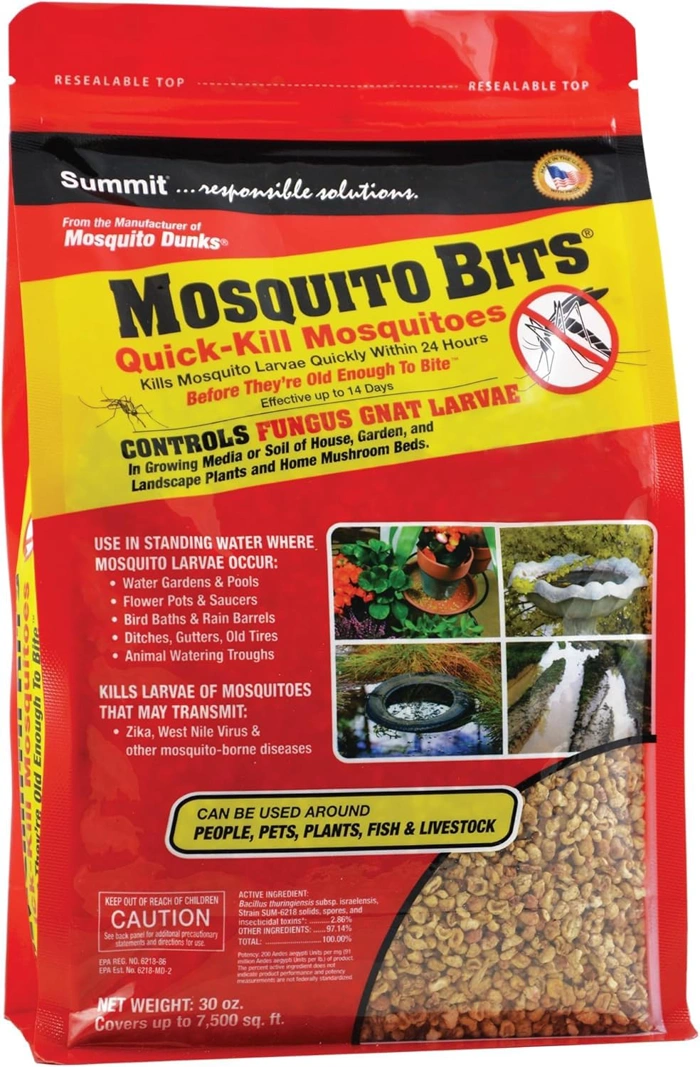
Summit Mosquito Dunks for Insects, 6-Pack
Summit Mosquito Dunks contain Bacillus thuringiensis israelensis (BTI), a naturally occurring bacterium that kills fungus gnat larvae in soil. When dissolved in water, BTI releases proteins that target the digestive system of larvae, stopping them from maturing into egg-laying adults. The formula does not harm plants, roots, or pets.
Each dunk can be broken into smaller pieces and dissolved in a watering can. Water your houseplants as you normally would - the BTI disperses through the soil and remains active for approximately the listed amount. At $16.60 for a 6-pack, one purchase provides several months of treatment depending on the size of your collection.
This method only affects larvae living in the soil. Adult gnats already flying around your home will not be killed by BTI, so expect to see them for a week or two as the existing generation dies off naturally. No new larvae will mature to replace them, which breaks the breeding cycle. For faster results on adult gnats, pair this soil treatment with sticky traps or a spray targeted at flying insects.
BTI works best when soil conditions remain consistent. If you allow soil to dry out completely between waterings, reapply the dissolved dunk with your next watering to maintain coverage. This approach is most effective for moderate to heavy infestations where larvae populations are high.
- ✅ BTI kills fungus gnat larvae without harming plants or pets
- ✅ One dunk lasts approximately 30 days in soil
- ✅ $16.60 for 6-pack provides months of treatment
- ✅ Breaks the breeding cycle by stopping larvae from maturing
- ⚠️ Does not kill adult gnats already flying
- ⚠️ Requires 1 - 2 weeks to see full reduction in gnat activity
- ⚠️ Must reapply monthly for ongoing prevention
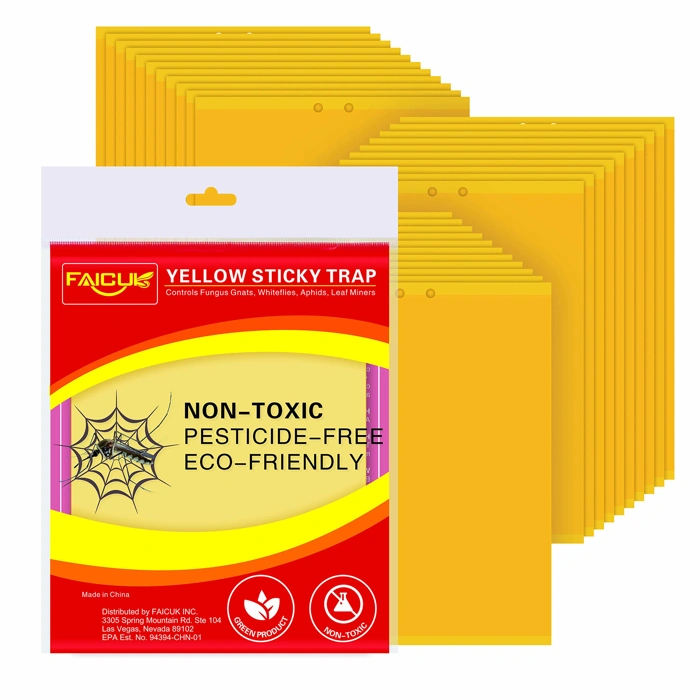
Faicuk Yellow Dual-Sided Sticky Fly Traps for Plants, 30 Pack
Sticky traps tackle the flying adults you see hovering around your plants. The Faicuk Yellow Dual-Sided Sticky Fly Traps come in a 30-pack for $12.99, giving you enough coverage to protect multiple plants for several months.
The dual-sided design means both surfaces catch gnats, doubling your trapping area per stake. Bright yellow attracts fungus gnats and other small flying insects, drawing them away from your plant foliage to the adhesive surface instead.
Place these traps near the soil surface where adult gnats tend to hover and emerge. As adults stick to the traps, you break the reproduction cycle by preventing them from laying new eggs in the soil. You'll see results within hours as the yellow stakes fill with captured insects.
Keep in mind that sticky traps only catch adult gnats - they won't eliminate larvae already living in the soil. Use these alongside a soil treatment method to address the full lifecycle. The traps work best as both a monitoring tool to gauge infestation severity and an immediate way to reduce the flying nuisance while other treatments take effect.
At roughly the listed amount cents per trap, the 30-pack offers budget-friendly coverage whether you're treating a few problem pots or an entire plant collection. Replace traps when they're covered in insects or lose their stickiness, typically every few weeks during active infestations.
- ✅ Dual-sided design catches more gnats per stake
- ✅ 30-pack provides long-term coverage across multiple plants
- ✅ Bright yellow color effectively attracts fungus gnats
- ✅ Budget-friendly at $12.99 for the full pack
- ✅ Immediate visible reduction in flying adults
- ⚠️ Only traps adult gnats, does not kill larvae in soil
- ⚠️ Requires replacement every few weeks during heavy infestations
- ⚠️ Must be combined with soil treatment for complete control