We may earn a commission when you buy through links on this page, at no extra cost to you. How this works.
Hosley Set of 2 Galvanized 10-Inch Metal Wall Planters
Compare hanging planters and wall-mounted rings for trailing vines in tight spaces.
Small apartment dwellers scrolling through plant inspiration often land on the same dilemma: hanging planters and wall-mounted rings both occupy the $15 - $20 price range and promise to turn blank vertical space into a cascading green wall. Yet they function in fundamentally different ways. Hanging planters suspend pots from a single anchor point, while wall-mounted rings create fixed platforms that hold containers against the wall. The choice hinges on three practical realities: how much weight your wall can support, whether you're willing to drill multiple holes or prefer a single hook, and how trailing vines like pothos and philodendron actually grow when given vertical real estate.
The Pinterest images rarely show the planning required. A string of pearls that appears to float effortlessly from a brass ring likely required careful positioning to ensure the pot sits level and the drainage doesn't stain the wall below. A macramé hanger draped with devil's ivy might look casual, but someone calculated the chain length to keep foliage out of the walkway. Both metal wall planter approaches work, but each imposes different tradeoffs in flexibility, visual weight, and long-term commitment to your layout.
This guide compares these two affordable methods with honest attention to installation permanence, load limits, and how your vines will behave once they start trailing. Expect concrete layout strategies, not aspirational styling advice, and product recommendations that acknowledge the constraints of rental walls and tight square footage.
Pre-Installation Checklist: What to Measure and Prepare
- Locate wall studs with a stud finder or use drywall anchors rated for planter weight plus wet soil
- Measure vertical clearance: mature trailing vines can reach 3 - 6 feet, ensure nothing blocks growth path
- Check proximity to natural light: most trailing vines need bright indirect light within 3 - 6 feet of a window
- Confirm drainage plan: use saucers, drill drainage holes in metal planters, or choose pots with built-in trays
- Test wall material: plaster, drywall, and brick require different hardware and weight limits
- Mark planter positions with painter's tape to visualize layout before drilling
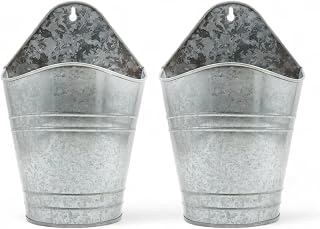
Hosley Set of 2 Galvanized 10-Inch Metal Wall Planters
The Hosley Set of 2 Galvanized 10-Inch Metal Wall Planters gives you a straightforward way to display mature trailing plants without crowding your floor. Each 10-inch planter holds one established pothos, philodendron, or string of hearts, so you can let the foliage cascade freely while keeping the root ball supported in a stable container. The galvanized finish pairs with farmhouse, industrial, or minimalist decor, adding a visible decorative element rather than hiding the pot behind greenery.
The two-planter set opens up symmetrical and asymmetric layout options. Mount them on either side of a window or door to frame the opening with matching vines, or stagger them at different heights in a corner to create depth. Because each planter holds a single plant, watering and leaf care stay simple - you can remove one pot to drain without disturbing the other. At $16.98 for the set, this approach offers a budget-friendly entry point if you're testing vertical displays for the first time or working within a tight budget.
The tradeoff: two planters mean two plants, not a dense vine wall. If you want abundant coverage or plan to fill an entire blank wall, you'll need additional sets or a different mounting solution. But for renters or anyone prioritizing ease of maintenance, the one-plant-per-planter model reduces complexity. Before you buy, confirm the 10-inch diameter matches your plant's current root ball size - overcrowded roots will stunt growth, while an oversized pot can lead to soggy soil.
- ✅ 10-inch diameter fits one mature trailing plant comfortably
- ✅ Galvanized finish suits farmhouse, industrial, and minimalist styles
- ✅ Two-planter set allows symmetrical or asymmetric arrangements
- ✅ One plant per planter simplifies watering and care
- ✅ $16.98 price point makes vertical displays accessible
- ⚠️ Two planters limit total foliage coverage compared to multi-plant systems
- ⚠️ Pot diameter must match root ball size for healthy growth
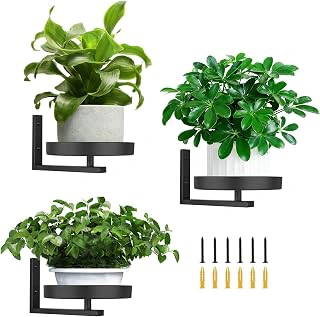
3 Pack Wall Planters for Indoor Plants,Wall Mounted Plant Holder, Metal wall plant holder,Metal Wall Plant Holder—Space-Saving and Ideal for Decorating Bedrooms, Living Rooms, Kitchens, Offices, and Bathrooms
Wall-mounted ring holders answer the small-space challenge with vertical efficiency rather than volume. This three-pack of metal plant rings sells for $14.99 and gives you the building blocks for modular layouts - stagger them in a descending diagonal, cluster three in a triangle, or run them vertically up a narrow strip of wall next to a window. Each ring holds one small pot flat against the surface, so trailing vines cascade without jutting into walkways or doorways.
Metal construction provides enough strength for typical 4- to larger plastic or ceramic pots filled with soil. The three-unit format lets you rotate species: hang a pothos in one ring, a philodendron in another, and a string of pearls in the third to create visual variety without committing to a single large arrangement. If one plant struggles with light or watering, you swap it out without disturbing the others.
Space savings come from the flat profile. Unlike hanging planters that swing and require clearance, these rings anchor pots directly to drywall or plaster, reclaiming floor area and keeping vines above furniture height. Installation requires three sets of wall anchors, so you will drill more holes than a single hanging hook would demand, but the payoff is creative layout control and the ability to adjust spacing as plants grow.
Watering becomes a multi-step task. Each pot drains independently, so you either remove them to a sink or place saucers underneath and accept the added depth. The per-unit cost remains low enough that adding a fourth or fifth ring later to expand the display costs less than replacing a single large hanging planter.
This set fits renters and owners willing to patch a few anchor holes when they move. The rings work in bedrooms with limited square footage, kitchens where counter space is scarce, or bathroom walls that receive indirect light. If you prefer arranging plants like a gallery wall rather than suspending them from a single point, the three-pack format delivers flexibility at a price that encourages experimentation.
- ✅ Three-pack format at $14.99 enables modular layout experiments - triangular clusters, vertical cascades, or staggered diagonals
- ✅ Flat wall profile saves floor space and keeps trailing vines clear of walkways and furniture
- ✅ Individual rings allow species variety and easy replacement if one plant struggles
- ✅ Metal construction supports 4- to 6-inch pots with soil without sagging
- ⚠️ Requires three sets of wall anchors, meaning more drill holes than a single hanging hook
- ⚠️ Watering each pot separately takes more time and may require removal to a sink or under-pot saucers
- ⚠️ No drainage reservoir built in, so overflow management falls to the user
What Are Hanging Planters? How They Work for Trailing Vines
Hanging planters designed for wall mounting are self-contained metal or ceramic containers that attach directly to vertical surfaces using screws, picture-hanging hardware, or adhesive strips, depending on the planter's weight and your wall type. Unlike traditional hanging baskets suspended from ceiling hooks, these units sit flush or slightly angled against the wall, holding both soil and drainage components in one integrated piece.
For trailing vines like pothos, philodendron, or string-of-hearts, wall-mounted planters work with gravity. Stems naturally cascade downward from the container's edge, creating a vertical curtain of foliage without additional support structures. The container's rim acts as the launch point, and longer vines will drape in layers as they grow.
Watering access is straightforward - you lift or tilt the planter slightly if it's on a removable mount, or water in place and let built-in drainage holes release excess into a catch tray or directly onto a towel during maintenance. Because the soil stays in the original container, you can relocate the planter to follow seasonal light changes or rearrange your layout without disturbing roots.
Weight becomes the primary limitation. Drywall anchors rated for 10 - 15 pounds will hold most small to medium planters when dry, but wet soil, ceramic construction, or multiple plants in one container can exceed that threshold quickly. If the planter lacks a sealed back or integrated drainage tray, you'll need to address runoff with an external saucer or by removing the unit for watering sessions. Visually, wall planters occupy more horizontal space than minimalist ring mounts, which can feel crowded in narrow entryways or beside furniture.
This setup makes the most sense for renters who want the freedom to patch a few screw holes when moving, for corner walls where a single bold plant anchors the room, or for anyone who prefers the simplicity of watering one container rather than managing multiple pots clipped into separate rings. If you tend to overwater or forget to check soil moisture, the self-contained reservoir gives you a margin of error that open rings do not.
What Are Wall-Mounted Rings? How They Support Climbing and Trailing Growth
Wall-mounted rings - often sold as bracket rings or wall plant holders - anchor individual pots directly to vertical surfaces, letting you arrange trailing vines in fixed patterns across a wall. Unlike hanging planters that suspend from a single point, each ring fastens to the wall with screws or anchors and cradles a pot at a set height. This modular approach means you can create grids, diagonal cascades, or asymmetric clusters by installing as many rings as your layout requires.
Attachment usually involves drilling into studs or using drywall anchors rated for the combined weight of the ring, pot, soil, and water. Most metal or wire rings distribute load across two mounting points, which reduces stress on any single anchor. Weight per unit stays lighter than a large hanging planter because each pot holds less soil - typically four to six inches in diameter - so individual anchors rarely exceed five to eight pounds when fully watered.
Vine behavior shifts with wall-mounted rings. Plants naturally trail downward under gravity, but you can train stems sideways by threading them through adjacent rings or pinning growth along horizontal paths. This flexibility lets you shape a living curtain, frame a doorway, or fill negative space between furniture. Pothos, philodendron, and string-of-hearts respond well to lateral guidance, sending out new growth wherever stems make contact with neighboring supports.
The modular design offers clear advantages: you buy only the number of rings your wall can handle, swap plants seasonally without dismantling an entire structure, and adjust spacing as vines mature. Because pots sit close to the wall, water runoff is easier to control with catch trays or careful watering. Hardware remains visible - metal rings, screws, and pot rims become part of the aesthetic - which works in industrial or minimalist interiors but may feel busy in traditional spaces.
Trade-offs center on soil volume and visual complexity. Smaller pots dry out faster and limit root expansion, so vigorous growers like pothos may need repotting or supplemental feeding sooner than they would in a ten-inch hanging basket. Installing a gallery wall of six or eight rings requires more holes and planning than a single ceiling hook, though the effort pays off if you want varied plant types or a sculptural arrangement. Renters appreciate that patching multiple small holes at move-out is often simpler than repairing a ceiling anchor, and the lower profile keeps trailing vines away from high-traffic head space.
Wall-mounted rings suit apartments where floor space is tight and you want vertical gardens that feel intentional rather than dangling. They shine in layered displays - mixing trailing vines with upright ferns or succulents - and in layouts where you need precise control over each plant's position and light exposure.
Head-to-Head Comparison: Which Works Better for Your Space and Style?
Installation difficulty is often the first decision point. Wall-mounted rings typically require one screw hole per holder, spread across your wall at planned intervals. Hanging planters need a ceiling hook or bracket strong enough to bear the full weight of soil, water, and mature foliage - sometimes 15 to 25 pounds for a 10-inch pot. If you're renting or working with plaster walls, multiple lightweight ring holders may be easier to patch when you move than a single ceiling anchor point.
Weight capacity shapes what you can grow. A 10-inch ceramic or resin hanging planter holds enough soil for one mature pothos or philodendron, but the combined mass limits where you can install it safely. Three wall-mounted ring holders, each supporting a 4- to 6-inch nursery pot, distribute the load across separate anchor points and let you build a layered cascade without overloading any single spot. This modularity is useful in older apartments where stud spacing is irregular.
Watering logistics differ in practical ways. Hanging planters need either a built-in drainage saucer or a pulley system to lower them for watering, since reaching overhead with a watering can often leads to spills. Wall-mounted rings place pots at eye level or below, making it simple to lift each pot down, water in the sink, and return it once excess water drains. If you travel frequently, a single large planter with more soil volume will dry out more slowly than several small pots.
Visual impact comes down to focal points. A substantial hanging planter acts as a statement piece, drawing the eye upward and anchoring the room's vertical space. Wall-mounted rings create a distributed, gallery-style arrangement - you control the spacing, height variation, and whether vines overlap or stay separate. Minimalist interiors often favor the clean lines of individual ring holders, while bohemian or maximalist spaces benefit from the lush presence of a large hanging basket.
Cost per display varies with your goals. A quality hanging planter with hardware typically runs $25 to $60, giving you one finished installation. A set of three to five wall-mounted ring holders costs $20 to $50, but you'll also need pots, so total outlay may be similar. The difference is flexibility: rings let you swap plants seasonally or rearrange the layout without buying new infrastructure, while a hanging planter commits you to that specific spot and style. For renters planning multiple moves, the modular approach often pays off in reusability.
Inspiring Layout Ideas for Trailing Vines Using Planters and Rings
Four layout scenarios help you see how planters and rings work together in real apartment walls. Each scenario is sized for walls between five and eight feet wide, where every inch counts.
Scenario one: symmetrical flanking. Hang two matching planters on either side of a window, each about twelve inches from the frame. Plant pothos in both, and let the vines grow to the same length so they mirror each other. This layout creates a natural frame and works well in bedrooms or home offices where you want calm, balanced symmetry.
Scenario two: vertical cascade. Mount three wall rings in a vertical line, spacing them about fifteen inches apart. Start with the top ring at eye level, then step down. Thread a single philodendron stem through all three rings so the vine flows from top to bottom in one continuous line. This approach uses minimal wall space but gives you a tall column of greenery.
Scenario three: corner cluster. Install one large wall planter in the corner where two walls meet, mounted about six feet high. Add two small ring holders below it - one on each wall, spaced eighteen inches down and out from the planter. As the vines grow from the planter, guide them into the rings so they spread in two directions. This layout turns an empty corner into a focal point and works especially well for pothos or heartleaf philodendron that produce long, flexible stems.
Scenario four: hybrid gallery wall. Mix your plant holders with frames, small mirrors, or art prints on the same wall. Space wall rings between the decor pieces, keeping about twelve to sixteen inches between each element. The rings let you weave vines horizontally across the wall, connecting the visual elements. This layout integrates plants into your existing decor rather than isolating them in one "plant corner."
Spacing matters: keep twelve to eighteen inches between holders to give vines room to drape without tangling, but close enough that you can guide stems from one holder to the next. Use small removable adhesive hooks to train stems along the path you want - press the stem gently into the hook's curve, and it will follow that route as it grows. Check the hooks every few weeks and reposition as needed. These four layouts give you a starting template, but adjust heights and spacing to fit your wall dimensions and the growth habit of your specific vine.
Installation Best Practices: Hanging Planters Securely on Rental-Friendly Walls
Installing planters on apartment walls requires matching your hardware to the weight of wet soil and choosing methods that won't jeopardize your security deposit. A 10-inch hanging planter filled with moist potting mix can weigh 10 to 15 pounds, which standard picture hooks won't support reliably.
For hanging planters that carry substantial weight, toggle bolts anchor securely into drywall. Drill a pilot hole, insert the folded toggle through the wall, then tighten until the wings grip the back of the drywall. Use a bubble level before marking your pilot hole so the planter hangs straight. Place the hook at eye level or higher to let vines cascade without blocking furniture or walkways.
Wall-mounted rings need even spacing if you're installing more than one. Cut a paper template to your desired layout, tape it to the wall, and mark drill points through the paper. This step prevents crooked rows and saves you from patching extra holes. Before tightening the final screw, adjust the ring's angle so it tilts slightly upward - this keeps the pot stable and prevents slipping.
Rental-friendly options include Command adhesive hooks rated for the planter's loaded weight. Check the package weight limit closely and subtract a safety margin for water fluctuations. Lightweight setups - small plastic pots with trailing pothos or philodendron in less than six inches of soil - work well on adhesive mounts. When you move out, warm the adhesive strip with a hairdryer for thirty seconds, then peel slowly to minimize paint damage. Keep a small container of spackle and a putty knife on hand to fill anchor holes; sand lightly, apply spackle, let dry, then touch up with leftover wall paint if you have it.
Always verify your planter's total weight when the soil is saturated. Fill the pot, water thoroughly, then weigh it on a bathroom scale. Add two pounds as a buffer for root growth and future watering. Match that number to your anchor's rated capacity to avoid pull-out or wall damage over time.
Watering and Drainage: Avoiding Water Damage on Walls and Floors
Water damage is the fastest way to turn a beautiful plant display into a landlord headache. Trailing vines like pothos and philodendron need consistent moisture, but wall-mounted and hanging setups make drainage tricky when you can't just let water flow into a sink.
Three drainage approaches work reliably in small spaces. Sealed planters with no drainage holes keep walls dry but require careful watering - use a turkey baster or small sponge to remove excess water from the bottom fifteen minutes after watering. Planters with attached saucers or trays catch runoff, though you'll need to empty the saucer after each watering to prevent overflow and mold. The most forgiving method uses a plastic nursery pot with drainage holes inside a decorative holder; lift the nursery pot out to water over a sink, let it drain completely, then return it to the wall ring or hanger.
Watering frequency matters as much as drainage. Pothos and philodendron prefer the top two inches of soil to dry out between waterings, usually every seven to ten days in typical indoor conditions. String of pearls and other succulents need even less - every two to three weeks depending on humidity. Overwatering causes more problems than underwatering for most trailing vines.
A simple technique reduces spills: water lightly, then wait ten minutes and check for drips before walking away. Press a paper towel against the bottom of the planter or run your hand underneath to catch any delayed runoff. If you see water, wait another five minutes and check again.
Self-watering inserts offer an upgrade for anyone who travels often or forgets to check plants. These plastic reservoirs sit inside the planter and wick moisture upward as the soil dries, extending the time between waterings to two or three weeks. They work best in planters at least six inches wide and require an initial learning period to avoid overfilling the reservoir.
Plant Care Basics: Light, Humidity, and Pruning for Healthy Trailing Growth
Trailing vines mounted on walls or hanging overhead need consistent care to stay full and healthy. Most popular trailing plants - pothos, philodendron, string of pearls - thrive in medium to bright indirect light. If your display is near a window that lights only one side, rotate the planter once a month so all stems receive equal exposure and grow evenly.
Humidity matters, but typical apartment air is usually adequate. Occasional misting helps, though it's not required for hardier vines like pothos or philodendron. If you want to boost humidity naturally, place trailing planters in a bathroom with a window; the steam from showers creates a microclimate that mimics tropical conditions without extra effort.
Pruning keeps vines bushy rather than leggy. When stems stretch long with sparse leaves, trim them back a few inches above a node. This encourages the plant to branch and fill in gaps. Save the cuttings - most trailing vines root easily in a glass of water. Once roots develop, replant them in the same pot to create a fuller cascade.
Feed your vines with diluted liquid fertilizer once a month during spring and summer, when growth is most active. Skip fertilizer in fall and winter unless the plant continues putting out new leaves. Dust accumulates on foliage over time and blocks light, so wipe leaves gently with a damp cloth every few weeks to keep photosynthesis efficient and your display looking clean.
Troubleshooting Common Problems: Drooping Vines, Yellow Leaves, and Pests
Drooping vines usually point to underwatering or a root-bound plant that has outgrown its container. Check the soil an inch below the surface - if it feels dry and dusty, water thoroughly until excess drains from the bottom. If roots circle visibly at drainage holes or push up through the top, move the plant to a pot one size larger with fresh potting mix.
Yellow leaves often signal overwatering or insufficient light. If the soil stays wet for days after watering, pull back your schedule and ensure drainage holes are clear. Plants placed far from windows may stretch toward light and drop older leaves; relocate them within three feet of bright, indirect sun to stabilize growth.
Brown leaf tips stem from low humidity or chemicals in tap water, especially fluoride and chlorine. Fill your watering can the night before and let it sit uncovered so chlorine evaporates, or switch to filtered water. Misting vines once or twice a week raises local humidity without waterlogging the soil.
Spider mites and mealybugs gravitate toward stressed plants in dry indoor air. Inspect leaf undersides and stem joints weekly for fine webbing or cottony clusters. At the first sign, spray affected areas with diluted neem oil - one teaspoon per quart of water - and repeat every five to seven days until clear. Healthy watering and adequate light reduce pest pressure naturally.
These adjustments take minutes and prevent small issues from compounding. Treat each symptom as feedback rather than failure, and your trailing vines will recover quickly in both hanging planters and wall-mounted rings.
Creating Your Perfect Green Wall: Choosing the Right Approach for Your Space
Choosing between hanging planters and wall-mounted rings comes down to three factors: your available wall space, how much time you want to spend on care, and the look you're building.
Hanging planters work best in corners, near windows, or above furniture where you have vertical clearance and want one dramatic focal point. They hold the plant, the soil, and often a drainage system in one package, which means less fussing with separate pots and fewer trips up a ladder. If you're new to trailing plants or short on time, starting with one or two planters keeps watering predictable and reduces the number of care points you need to track.
Wall-mounted rings shine on narrow walls, in hallways, or anywhere you want to arrange multiple plants at different heights. They let you use pots you already own and swap plants in and out as they grow or as seasons change. The tradeoff is more hands-on work: each ring holds a separate pot, so you'll water and check each one individually. If you enjoy tinkering with arrangements and want a layered, collected look, rings give you that flexibility.
For space constraints, measure carefully. A narrow wall between doorways or along a staircase often can't accommodate the swing radius of a hanging planter but can hold a vertical row of rings spaced eight to twelve inches apart. A corner with good light, on the other hand, is ideal for a single large planter that can cascade without obstruction.
Aesthetic goals matter too. A minimalist space benefits from one or two substantial planters in neutral tones, keeping the line clean and the maintenance low. A bohemian or eclectic room can handle a cluster of rings in mixed finishes - matte black, brass, and wood - each holding a different trailing variety for texture and contrast.
Start small regardless of which route you choose. One planter or one three-pack of rings lets you confirm the weight on your wall, dial in your watering rhythm, and see how the light works before you commit to a full installation. Both options typically cost under twenty dollars, so the financial risk is low and you can always add more once you know what works.
Check current prices and confirm that your chosen planters fit your plants or that ring diameters match your existing pot sizes before you buy. A quick measurement now saves a return trip later.