We may earn a commission when you buy through links on this page, at no extra cost to you. How this works.
Monstera plants cost less than many houseplants and tolerate more neglect than their tropical reputation suggests, yet seven recurring mistakes account for most beginner failures. Overwatering, insufficient light, and misreading humidity needs top the list, followed by pot size errors, inconsistent feeding, ignoring pests, and skipping structural support. Each mistake stems from a simple misunderstanding of how monstera plants actually grow, not from any special difficulty in keeping them alive.
This guide walks through those seven mistakes in order of how often they occur, explains why each one causes visible problems, and offers a single fix you can apply immediately. No scientific terminology, no expensive tools - just clear tradeoffs between what the plant needs and what most beginners assume it needs. Monstera care becomes predictable once you recognize the gap between "tropical rainforest plant" and "adaptable indoor grower," and the corrections take less effort than the guesswork that caused the trouble in the first place.
If your monstera shows yellow leaves, brown edges, or stunted growth, one of these seven mistakes is almost always the reason, and the fix rarely requires starting over or buying new equipment.
Your Monstera Care Checklist
- Test soil dryness before watering - top 2 inches should be dry
- Place plant in bright, indirect light away from harsh sun
- Add a moss pole when plant reaches 12-18 inches tall
- Feed with diluted fertilizer during spring and summer
- Use pots with drainage holes and chunky, well-draining soil
- Expect occasional lower leaf yellowing as normal aging
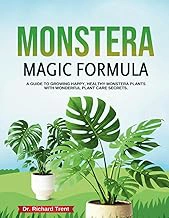
The Monstera Magic Formula: Guide to Growing Healthy Plants
For beginners who want a structured, book-format reference to work through common monstera care mistakes in depth, The Monstera Magic Formula: Guide to Growing Healthy Plants offers a dedicated resource at $17.00. This guide focuses specifically on monstera cultivation, covering the foundational care areas - watering technique, light placement, humidity management, and soil composition - that trip up new growers most often.
The book's strength is its single-plant focus: instead of skimming dozens of houseplants in one volume, it walks through monstera-specific scenarios and troubleshooting steps. That narrower scope makes it easier to match your plant's symptoms to actionable advice without sorting through unrelated species. Readers report the guide helps clarify why certain practices matter - such as the relationship between pot size and watering frequency, or how fenestration development ties to light intensity - which builds confidence for adjusting care over time rather than following rigid rules.
With a 4.3 out of 5 rating, the guide earns consistent feedback for clarity and practical layout, though some readers note they wished for more photo documentation of problem signs like root rot or pest damage. The text-heavy format works well if you prefer reading through concepts step-by-step, but may feel less immediate than visual quick-reference charts. At this price point, it's a reasonable pick for learners who retain information better through narrative explanation and want a single, focused manual they can annotate and revisit as their monstera matures.
If you learn best from detailed walkthroughs and want a permanent desk-side reference that goes deeper than blog posts, this guide provides that structure without requiring a subscription or multiple purchases. It won't replace hands-on observation of your own plant, but it does give you a framework to interpret what you see and adjust care with more intention.
- ✅ Single-plant focus makes troubleshooting faster and more relevant
- ✅ Explains the reasoning behind care practices, not just the steps
- ✅ Book format allows for annotation and repeated reference
- ✅ Covers common beginner mistakes with monstera-specific solutions
- ⚠️ Limited photo documentation of problem symptoms
- ⚠️ Text-heavy layout may be less immediate than visual guides
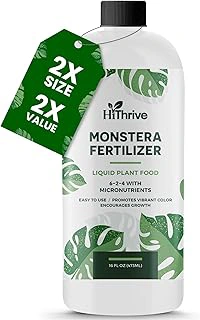
16oz Monstera Plant Food & Liquid Indoor Fertilizer 6-2-4 NPK
Beginner growers often skip fertilizing altogether or use the wrong formula, leaving their monstera to struggle on depleted potting mix. The 16oz Monstera Plant Food & Liquid Indoor Fertilizer delivers a 6-2-4 NPK ratio formulated specifically for monstera and similar aroids, making nutrient management straightforward for first-time plant owners.
This liquid concentrate mixes with water for regular feeding during the growing season, eliminating guesswork around granular dosing or slow-release pellets. The 16-ounce bottle provides enough product for dozens of applications depending on dilution rate, offering good value at $12.97 for a season or more of feeding. With a 4.6 out of 5 rating, users report reliable results without the complexity of multi-part systems.
The nitrogen-forward 6-2-4 formula supports leaf development and the lush foliage monsteras are known for, while moderate phosphorus and potassium levels encourage root health and overall resilience. Liquid application also lets you pause feeding during winter dormancy without leftover granules continuing to release nutrients when the plant isn't actively growing.
For beginners who have been hesitant to fertilize or unsure which product matches their monstera's needs, this dedicated formulation removes much of the trial and error. The bottle size is manageable without requiring large storage space, and the straightforward mix-and-pour approach fits easily into a monthly care routine.
- ✅ 6-2-4 NPK ratio formulated specifically for monstera and aroids
- ✅ Liquid concentrate allows precise dilution and easy application
- ✅ 16-ounce bottle provides dozens of feedings at $12.97
- ✅ 4.6/5 rating reflects reliable performance for beginners
- ⚠️ Requires measuring and dilution each time you feed
- ⚠️ Liquid storage may be less convenient than granular options for some users
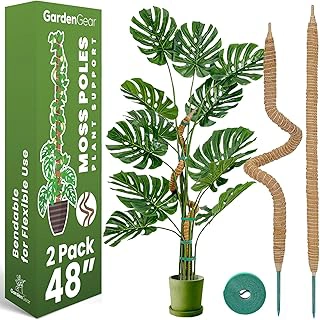
2 Pack 48'' Bendable Moss Pole for Climbing Monstera Plants
Many beginners let their monstera sprawl across furniture or lean awkwardly against walls, missing the chance to encourage the upright, climbing growth these plants naturally prefer. The 2 Pack 48'' Bendable Moss Pole for Climbing Monstera Plants offers an affordable way to support your plant's growth habit without investing in expensive permanent structures.
Each pole measures the listed size tall, making the pair well-suited for small to medium monsteras in apartments or compact spaces. The bendable design lets you adjust the angle as your plant grows, guiding aerial roots and stems without forcing rigid vertical growth. For beginners working with limited floor space, the flexibility means you can tuck the pole closer to a wall or curve it gently to fit a corner.
At $14.99 for two poles, the value makes sense if you're caring for multiple plants or want a backup as your monstera matures. The moss surface gives aerial roots a textured grip, which can help stabilize new growth and reduce the need for constant repositioning. Because the poles are bendable, they're easier to install in an already-potted plant compared to stiff coco coir stakes that require careful maneuvering around established roots.
The 48-inch height works best for younger monsteras or those under three feet tall; larger specimens may outgrow the pole within a season or two. If your plant is already pushing past four feet, you'll likely need to stack poles or consider taller alternatives sooner than expected. The bendable material also means the pole may bow slightly under heavier foliage, so it's most stable when secured to the pot edge or anchored with ties at multiple points.
For beginners who want to start training their monstera without committing to a single support style, the two-pack format lets you experiment - use one now and keep the second for a new cutting or a different plant. The moss texture holds moisture briefly after misting, which can encourage aerial root attachment, though it won't replace regular watering at the soil level.
- ✅ Two poles for $14.99 offers budget-friendly value
- ✅ Bendable design fits corners and tight spaces
- ✅ 48-inch height suits small to medium monsteras
- ✅ Textured moss surface encourages aerial root grip
- ⚠️ May bow under heavier foliage without extra support
- ⚠️ 48-inch height can be outgrown quickly by vigorous plants

Home Botanica Series: Mini-Guide to Monstera Plant Care
The Home Botanica Series: Mini-Guide to Monstera Plant Care offers a compact, focused reference for beginners who want care essentials without sifting through long manuals or online forums. Priced at $13.99 and rated 4.2 out of 5, this mini-guide delivers straightforward instructions in a portable format that fits on a shelf, in a drawer, or beside your plant.
This guide is designed for readers who prefer a physical reference they can flip through quickly when troubleshooting watering schedules, light placement, or leaf symptoms. Because it's a mini-guide, the content stays concise - ideal if you want clear answers without overwhelming botanical detail. The compact size also makes it easy to keep near your monstera or take along when shopping for supplies.
At under multiple, the guide works well as a low-risk investment for new plant owners who are still learning the basics and want a reliable desk reference. The 4.2-star rating suggests most users find the information helpful and accessible, though the brevity means it won't cover every advanced topic or troubleshooting scenario. For beginners focused on avoiding the most common care mistakes - overwatering, poor drainage, insufficient light, and neglecting humidity - this mini-guide provides the foundational knowledge you need to build confidence and consistency in your routine.
- ✅ Compact, portable format easy to keep near your plant
- ✅ Focused on care essentials without overwhelming detail
- ✅ Budget-friendly at $13.99
- ⚠️ Brief format may not cover advanced troubleshooting
- ⚠️ Physical guide requires shelf or drawer space
Mistake #1: Overwatering (The Silent Killer)
Overwatering kills more monsteras than any other beginner mistake because it suffocates the roots and invites root rot - a condition that spreads quickly once it starts. Unlike underwatering, which shows crispy brown edges you can spot and fix, overwatering damage happens below the soil line where yellowing lower leaves and soft, mushy stems only appear after the problem is already serious.
The fix is simple: wait until the top two to three inches of soil feel completely dry before watering again. Push your finger into the soil near the edge of the pot - if it feels cool or damp, wait another few days. A moisture meter can help if you prefer a numeric reading, but the finger test is reliable and free.
Watering frequency depends on pot size, season, and your home's humidity. A monstera in a six-inch pot may need water every seven to ten days in summer, while the same plant in winter might go two weeks or longer. Terracotta pots dry faster than plastic, and bright light increases water use compared to lower light spots.
Watch for early warning signs: lower leaves turning yellow (especially if the soil is still wet), black or brown mushy spots on stems, or a sour smell from the potting mix. If you catch these early, let the soil dry out completely, trim any rotted roots with clean scissors, and repot in fresh, well-draining mix. The takeaway is to let the plant tell you when it needs water rather than sticking to a rigid schedule.
Mistake #2: Ignoring Light Requirements
Monstera deliciosa needs bright indirect light to develop its signature fenestrations - the splits and holes in mature leaves. Many beginners place their monstera in low-light corners or dark rooms, which leads to small, solid leaves without splits, leggy growth, and slow development. Conversely, direct sun burns the foliage, creating brown, crispy patches that won't heal.
Bright indirect light means the plant receives plenty of ambient light without the sun's rays hitting the leaves directly. A spot within a few feet of an east- or south-facing window, filtered by a sheer curtain, works well in most apartments. North-facing windows may provide insufficient intensity, while unobstructed west-facing exposure often delivers too much harsh afternoon sun.
If your monstera produces small leaves or stretches toward the nearest light source, it's signaling insufficient brightness. Move the plant closer to the window or rotate it weekly to encourage even growth. If you notice pale, bleached spots or brown edges on the leaves, pull the plant back from direct rays or add a translucent barrier. For rooms without ideal natural light, a full-spectrum grow light positioned 12 - 18 inches above the canopy can supplement intensity and maintain healthy leaf development.
Adjusting light placement is one of the simplest fixes that delivers visible results within a few weeks, making it easier to enjoy the dramatic, split foliage monstera is known for.
Mistake #3: Skipping Support as the Plant Grows
Monsteras are natural climbers, and without vertical support, they often produce smaller leaves with fewer or no fenestrations - the signature holes and splits that make these plants so striking. In their native rainforest habitat, monsteras climb trees to reach brighter light, and their aerial roots anchor them as they grow upward. Indoors, that climbing instinct remains, and providing a moss pole, coir pole, or trellis helps your plant behave more like it would in the wild.
When a monstera trails along the ground or sprawls horizontally, it conserves energy and produces smaller, juvenile-looking leaves. Once you give it something to climb, the plant responds by growing larger, more mature foliage with dramatic splits and holes. The aerial roots will grip the support, and over time, you'll notice a visible difference in leaf size and structure.
Add a support structure when your monstera reaches about two feet tall or when you see several aerial roots developing along the stem. You don't need to wait for the plant to become unruly - early support encourages better growth habits from the start. Gently tie the stem to the pole with soft plant ties or jute twine, and train the aerial roots toward the pole so they can attach naturally. Keeping a moss pole lightly misted helps the roots adhere more easily.
Skipping this step won't harm your monstera, but it will limit its visual impact and slow the development of those iconic, fenestrated leaves. If you want a fuller, more impressive plant, vertical support is one of the simplest and most effective changes you can make.
Mistake #4: Forgetting to Feed Your Plant
Potting soil nutrients deplete over time, and even high-quality mixes lose their fertility after a few months of watering and root growth. Monsteras are moderate feeders, but skipping fertilizer entirely leaves them struggling to produce the large, fenestrated leaves you're hoping for.
Signs of nutrient deficiency include pale or yellowing new leaves, stunted growth, and smaller leaf size compared to older foliage. If your monstera seems stuck or the new leaves emerge light green instead of deep emerald, it's likely hungry.
During the growing season - roughly spring through early fall - feed your monstera every four to six weeks with a balanced liquid fertilizer diluted to half strength. In winter, when growth slows or stops, reduce feeding to once every eight to ten weeks or pause entirely until you see new growth resume in spring.
Always water the soil lightly before feeding to prevent root burn, and stick to the dilution instructions on the bottle. Over-fertilizing causes brown, crispy leaf edges and salt buildup in the soil, so more is not better. A consistent, light feeding schedule supports steady growth without pushing the plant into stress.
Mistake #5: Using the Wrong Pot or Soil
Using a pot without drainage holes or planting your monstera in heavy, compacted soil is one of the fastest ways to cause root rot. Monsteras need oxygen around their roots, and when water sits in dense soil or a sealed container, roots suffocate and begin to decay. Even if you water carefully, poor drainage traps moisture longer than the plant can tolerate, creating the perfect environment for fungal disease.
Choose a pot with at least one drainage hole at the bottom, and size it to allow about one to two inches of space around the root ball. Oversized pots hold excess moisture that roots can't absorb quickly, while pots that are too small dry out unevenly and stress the plant. Terracotta and unglazed ceramic are excellent choices because they wick moisture away from the soil, but plastic pots work well as long as drainage is adequate.
Monstera roots thrive in a chunky, well-draining mix that allows air pockets and prevents compaction. Standard potting soil is often too dense on its own. A simple DIY blend combines two parts all-purpose potting mix, one part perlite or pumice, and one part orchid bark or coco coir. This structure lets water flow through while retaining just enough moisture for the plant to draw from between waterings. If mixing soil feels overwhelming, look for pre-made aroid or monstera-specific blends that prioritize aeration and drainage.
Avoid garden soil or mixes labeled for moisture retention, such as those designed for succulents or cacti, which swing too far in the opposite direction. The goal is balance: soil that drains freely but doesn't dry out instantly. Proper potting setup makes watering simpler and gives your monstera the stable root environment it needs to grow strong, fenestrated leaves.
Mistake #6: Panicking Over Normal Leaf Changes
Not every yellowing leaf signals a care mistake - Monstera plants naturally shed older, lower leaves as they mature and direct energy toward new growth. Beginners often worry when they see a single yellow leaf near the base of the plant, but this is usually just the plant's normal aging process rather than a problem that needs fixing.
The key difference lies in the pattern and speed of the yellowing. One or two lower leaves turning yellow over several weeks, while new growth continues to emerge healthy and green, is cosmetic aging you can simply trim away. In contrast, multiple leaves yellowing rapidly, yellowing that starts with newer growth, or leaves accompanied by brown spots, mushy stems, or a foul soil smell point to real issues like overwatering, root rot, or pest damage that require immediate attention.
Before you change your care routine, check the rest of the plant. If the upper and middle foliage remains firm, glossy, and vibrant green, and you're seeing fenestrations develop on new leaves, your Monstera is thriving - that single yellow leaf is just part of its life cycle. You can snip it off at the base with clean scissors once it's mostly yellow to keep the plant looking tidy.
Trust the overall health of your plant rather than reacting to every cosmetic change. Normal leaf aging is gradual and isolated, while genuine care problems spread quickly and affect multiple leaves or growth zones at once.
Mistake #7: Not Learning Your Plant's Signals
Every monstera communicates its needs through visual cues, and learning to read those signals is more reliable than following a rigid schedule. Leaf color, texture, growth rate, and even stem posture change based on your specific environment - light intensity, ambient humidity, pot size, and air circulation all influence how quickly your plant uses water and nutrients.
Instead of watering every seven days, check the top two inches of soil and look at the leaves. Drooping or curling leaves often mean the plant is thirsty, while yellowing lower leaves can indicate overwatering or poor drainage. Dark green, glossy foliage with consistent fenestrations signals that light, water, and nutrients are balanced. Pale or stretched growth suggests the plant is reaching for more light.
New leaves unfurl tightly rolled; if they emerge small or without splits, the plant may need brighter indirect light or a slight increase in humidity. Brown, crispy leaf edges typically point to low humidity or inconsistent watering, while soft, mushy stems indicate root rot from sitting in wet soil too long.
Observation builds intuition. Take a moment each week to inspect your monstera closely - note new growth, check soil moisture at different depths, and adjust care based on what you see rather than what a generic care card prescribes. This responsive approach prevents most common mistakes and helps your plant thrive in your unique indoor conditions.
For a structured framework to guide your observations, refer to beginner-friendly monstera care guides that map symptoms to solutions and explain seasonal adjustments.
Simple Next Steps
Start by walking through your current setup and checking for the seven mistakes covered in this guide - overwatering, low light, poor drainage, cold drafts, dusty leaves, stale soil, and skipped support. Pick one or two areas that seem most relevant to your plant's condition and make small adjustments first, whether that means moving the pot closer to a window, switching to a chunkier potting mix, or installing a moss pole. Give your monstera two weeks to respond before changing anything else, since plants adapt slowly and layering too many fixes at once makes it hard to know what actually helped. Watch for signs of improvement like firmer leaves, new growth points, or roots that look white and healthy when you check the drainage holes. Monstera care is forgiving - these plants tolerate occasional mistakes and bounce back when conditions improve, so treating each adjustment as a low-stakes experiment takes the pressure off. Keep notes on what you change and when, especially if you're new to houseplants, because that simple habit builds pattern recognition faster than trying to remember details weeks later. The goal is not perfection but rather a steady routine that matches your monstera's needs with your schedule, and most beginners find their confidence grows quickly once they see their plant respond to even one or two thoughtful changes.