We may earn a commission when you buy through links on this page, at no extra cost to you. How this works.
Finding houseplants that won't harm your cat or dog while still fitting a modern aesthetic and limited square footage is harder than it sounds. Many popular varieties - pothos, philodendrons, snake plants - are toxic to pets, and the pet-safe alternatives often come with a reputation for looking dated or taking up too much room. The good news: you don't need to compromise on style, space, or budget to keep your pets safe.
This guide covers five non-toxic houseplants, all priced under $55, that work in apartments, condos, and smaller homes. Each option has been selected for compact growth habits, clean lines that suit contemporary interiors, and verified safety for cats and dogs according to the ASPCA's toxicity database. You'll see how size, light requirements, and care difficulty differ across these five, so you can match the right plant to your specific space and routine.
Whether you're working with a narrow shelf, a corner that gets indirect light, or a bathroom counter, at least one of these plants will fit. The focus here is on real tradeoffs - watering frequency, tolerance for low light, and how quickly each variety grows - so you can make a practical choice instead of guessing based on photos alone.
Use the matching tool first
Start with Indoor Plant Light Matcher if you want to narrow the fit before checking current offers.
What Makes a Houseplant 'Pet-Safe'?
A houseplant qualifies as pet-safe when it does not contain compounds that cause serious toxicity if a cat or dog chews or ingests part of the foliage. The ASPCA maintains a searchable database of toxic and non-toxic plants, and the species covered in this guide appear on the non-toxic list for both cats and dogs. That designation means the plant lacks alkaloids, glycosides, or other substances known to trigger severe reactions such as organ damage, seizures, or respiratory distress.
Non-toxic does not mean zero risk. Some pets experience mild digestive upset - loose stools or occasional vomiting - after eating any unfamiliar plant matter, even from a safe species. Mechanical irritation from fibrous leaves or stems can also cause temporary discomfort. For this reason, pet-safe refers to the absence of systemic toxins rather than a guarantee that curious chewing will have no effect at all.
Practical safety goes beyond the plant itself. Fertilizers, pesticides, and decorative moss toppers can introduce hazards even when the plant is benign. Choose organic potting mix, rinse store-bought plants to remove residual chemicals, and skip granular fertilizers that resemble kibble. Placement matters as much as species: a trailing pothos hung at cat height invites interaction, while the same plant on a high shelf or behind a barrier stays out of reach.
Monitor your pet's behavior around new plants during the first few weeks. Persistent chewing, drooling, or lethargy after contact warrants a call to your veterinarian, regardless of the plant's non-toxic status. Individual animals can have sensitivities, and early intervention prevents minor issues from escalating.
Our Selection Criteria: Modern, Compact, and Truly Pet-Friendly
Choosing the right houseplant when you share space with pets requires balancing safety, size, and style. Every plant on this list appears on the ASPCA's non-toxic list for cats and dogs, which means ingestion may cause mild stomach upset at most, but poses no serious poisoning risk. Beyond safety, we looked for plants with naturally compact growth - those that stay under 18 inches or can be pruned easily without losing their shape - so they fit windowsills, desks, and shelves in apartments and small homes.
Modern aesthetic mattered, too. We favored clean lines, interesting textures, and foliage that complements contemporary interiors rather than looking overly traditional or fussy. All selections are widely available from online nurseries and big-box retailers, with individual specimens priced under $55 and multi-packs often bringing the per-plant cost below $15.
One tradeoff to consider: single larger plants in 4- or 6-inch pots offer immediate visual impact and are easier to place, while three-packs of smaller starter plants let you spread greenery across multiple rooms or group them for a fuller look. Smaller plants take longer to mature but cost less upfront. If you want a statement piece for one corner, a single mature plant works best. If you're furnishing several spots or testing which location gets the right light, multi-packs deliver better value and flexibility.
Styling Tips: Making Pet-Safe Plants Look Intentional in Small Spaces
Small spaces require plants to earn their place with both style and practicality. Start by using vertical real estate: floating shelves, wall-mounted brackets, and ceiling hooks let you display multiple plants without losing floor space. A single trailing pothos or spider plant on a high shelf draws the eye upward and keeps foliage out of reach of curious pets below.
Group small pots in odd numbers - three or five - on windowsills, side tables, or a bookcase shelf. This clustering creates visual weight and turns a few modest plants into a focal point. Choose containers in a consistent material or color palette; matching ceramic pots in white, terracotta, or matte black tie the look together without adding clutter.
Position plants where stability matters. Low bookcases and credenzas work better than wobbly plant stands that a dog's tail or a cat's jump can topple. If you want hanging plants, use sturdy hooks rated for weight and hang them over seating areas or corners where pets spend less time. Avoid placing plants on narrow ledges near entry paths where they're easy to bump.
Keep the arrangement simple. In a small room, one statement plant in a clean pot often reads as more intentional than a crowded collection. If you add multiple plants, vary their heights and textures - a compact snake plant next to a vining philodendron - to create interest without taking up extra square footage. The goal is a space that feels green and open, not packed.
What to Watch For: Care Basics That Keep Plants and Pets Happy
Keeping both plants and pets healthy starts with a few simple routines that prevent common problems before they happen. Most small-space pet-safe plants thrive when you let the top inch of soil dry out between waterings - especially varieties like Hoyas and Peperomias, which store water in their thick leaves and prefer slightly dry conditions over constant moisture. Overwatering causes root rot faster than underwatering causes wilting, so check the soil with your finger before reaching for the watering can.
Light matters more than most beginners expect. In apartments with limited natural light, place your plants within three to five feet of a window that gets bright, indirect sun for at least four hours a day. East-facing windows work well for morning light; north-facing spots suit lower-light tolerant species like Peperomias. Rotate pots a quarter turn every week so all sides receive even exposure and growth stays balanced rather than leaning toward the light source.
Dust and debris on leaves can attract curious pets who mistake the texture for something to chew or bat at. Wipe foliage gently with a damp cloth every two weeks to keep surfaces clean and photosynthesis efficient. This small habit also lets you spot early signs of pests or discoloration before they spread.
Watch for yellowing lower leaves, mushy stems, or a sour smell from the soil - all signals of overwatering. If you see these, pull back on frequency and ensure your pot has drainage holes. Healthy plants with consistent care routines are less likely to drop leaves or develop the kind of wilting that might tempt a pet to investigate. Stick to a predictable schedule, adjust only when the plant or season changes, and you'll spend less time troubleshooting and more time enjoying the greenery.
Common Questions About Pet-Safe Houseplants in Apartments
Pet owners shopping for houseplants often face the same practical questions, especially when space is tight and pets are curious. Here are answers rooted in verified non-toxic plant traits and straightforward apartment care.
Can these pet-safe plants survive low light?Most ASPCA-listed non-toxic houseplants tolerate moderate to bright indirect light best, but spider plants and peperomia adapt reasonably well to lower light. If your apartment lacks south-facing windows, expect slower growth and slightly paler foliage rather than failure. Rotate the pot every few weeks to keep the plant balanced.
What if my cat or dog still chews on the leaves?Non-toxic means the plant won't poison your pet, but nibbling can still cause mild stomach upset or vomiting from the fiber. Physical barriers work better than relying on a plant's safety rating alone. Hang spider plants, place pots on high shelves, or use a decorative plant stand your pet can't climb. Offering cat grass in a separate pot often redirects chewing behavior.
How do I know if a plant is actually non-toxic?Cross-reference the botanical name with the ASPCA Animal Poison Control database. Common names vary by region, so "spider plant" might mean different species at different nurseries. The verified products in this guide match ASPCA's non-toxic listings by Latin name. Always check the label or ask the grower if you're buying from a farmers market or unlabeled shelf.
Do I need to fertilize in a small space?Houseplants in compact pots deplete soil nutrients faster than plants in garden beds, but small spaces don't require aggressive feeding. A half-strength liquid fertilizer every six to eight weeks during spring and summer keeps foliage healthy without triggering leggy growth. Peperomia and parlor palms especially appreciate light feeding. Skip fertilizer in fall and winter when most houseplants enter a rest phase.
These answers cover the overlap between pet safety and realistic apartment care, helping you keep both plants and animals comfortable in limited square footage.
Create a Green Oasis Both You and Your Pets Can Enjoy
Pet safety and modern design don't have to be mutually exclusive choices when you're building a greener home. The five plants in this guide - ranging from $15 to $54 - offer non-toxic options that fit compact living spaces without sacrificing the clean, elegant look many apartment dwellers and small-home owners want.
Each plant brings a different strength to the table. Spider plants and Boston ferns handle neglect and humidity shifts well, making them forgiving for first-time plant parents. Parlor palms and areca palms add vertical interest without demanding constant light or water. Prayer plants deliver bold foliage color in low-light corners where other houseplants struggle.
Start with one or two plants that match your available light and watering habits. Check current prices and availability before purchasing, since stock and costs shift seasonally. Place new plants in areas your pets can reach, watch their behavior for the first few days, and adjust placement if chewing or digging becomes an issue.
A small collection of pet-safe houseplants can improve your air quality and create visual interest in tight quarters, all while keeping curious cats and dogs out of harm's way. Choose based on your real conditions - light, space, and time - rather than aspirational Pinterest boards, and you'll build a setup that actually works for both you and your pets.
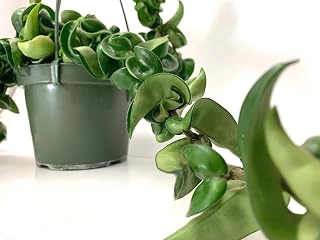
Hoya Compacta aka Hoya Hindu Rope Plant
The Hoya Compacta earns its spot as the sculptural choice for pet owners who want texture and form without the fuss. Its tightly curled, waxy leaves cascade in thick ropes, creating visual interest on shelves or hanging planters while staying compact enough for small apartments. At $17.75, it delivers modern elegance without stretching your budget.
This plant thrives on neglect in the best way possible. The thick, waxy foliage stores water efficiently, so you can skip a watering session without consequence - ideal for beginners or anyone with an unpredictable schedule. It tolerates low to bright indirect light, though growth slows considerably in dimmer corners. Expect this Hoya to take its time; slow growth means less frequent repotting and a tidy footprint that won't overwhelm tight spaces.
Pet safety is straightforward here. Hoya Compacta is non-toxic to cats and dogs, so curious nibblers can investigate without risk. The waxy leaf texture tends to discourage repeated chewing, though individual pets vary. The trailing habit works well on high shelves or mounted planters, keeping foliage naturally out of reach while maximizing vertical space.
With a 4.4 rating, most buyers appreciate the plant's resilience and unique appearance. A few note that new growth can be sparse during the first year, and the curled leaves collect dust more readily than flat foliage - a quick rinse or gentle wipe every few weeks keeps it looking sharp. If you want a low-maintenance, pet-safe plant that adds sculptural dimension without daily attention, the Hoya Compacta fits the brief.
- ✅ Non-toxic to cats and dogs
- ✅ Drought-tolerant waxy foliage requires infrequent watering
- ✅ Compact trailing habit suits small spaces and vertical displays
- ✅ Slow growth means minimal repotting
- ✅ Budget-friendly at $17.75
- ⚠️ Slow growth may frustrate those wanting quick results
- ⚠️ Curled leaves collect dust and need occasional cleaning
- ⚠️ Lower light slows growth further
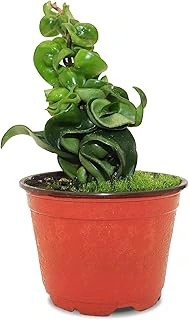
California Tropicals Live Hindu Rope Hoya Carnosa Plant
The California Tropicals Live Hindu Rope Hoya Carnosa Plant offers the same waxy, curled foliage as the Costa Farms option at a nearly identical price point of $17.99. This version carries a 4.3-star rating across buyer reviews, slightly lower than competing listings, with feedback pointing to occasional variation in plant size and leaf density at arrival.
Shipping consistency emerges as the primary tradeoff. Some customers report healthy plants with well-established root systems, while others note smaller specimens or minor leaf damage during transit. The lower rating reflects this inconsistency rather than flaws in the plant species itself. If you're comfortable inspecting the plant immediately upon delivery and utilizing Amazon's return window, this listing can serve as a solid backup when other Hoya vendors are out of stock.
The same care requirements apply: bright indirect light, infrequent watering, and patience as the trailing stems develop. Because Hoya carnosa grows slowly, starting size matters more than with faster-growing houseplants. Check recent buyer photos in the review section to gauge current shipping quality before purchasing, and confirm the seller's return policy covers live plants that arrive undersized or damaged.
This option works best as a secondary choice when your preferred Hoya listing shows low inventory or delayed shipping. The price remains competitive, and the species is identical, but the variance in plant maturity at delivery makes it less predictable than higher-rated alternatives.
See current price and size options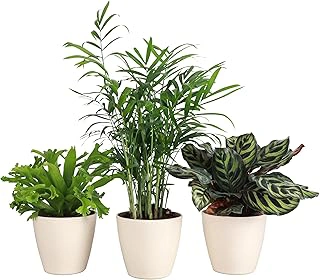
Thorsen's Greenhouse Live Pet Friendly Indoor Houseplants, 3-Pack
Thorsen's Greenhouse bundles three live Peperomia plants in 4-inch pots for $53.99, giving you an instant pet-safe collection at roughly the listed amount per plant. The bundle includes three different Peperomia varieties, all non-toxic to cats and dogs, with compact growth habits that stay under the listed size tall - ideal for apartment shelves, desks, or windowsills where space is limited.
Each plant ships in a nursery pot ready to display or transplant. Peperomia varieties typically feature thick, waxy leaves in varied textures - some rippled, some smooth - that add visual interest without demanding bright light or frequent watering. The 4.3-star rating reflects solid performance, though the specific varieties in your shipment may vary based on seasonal availability, so you have less control over exact leaf shape and color compared to buying individual named cultivars.
The cost-per-plant value makes this bundle practical if you want to fill multiple rooms or experiment with different Peperomia textures without committing to a single large specimen. The tradeoff is that you accept the grower's selection rather than choosing each variety yourself. For small-space dwellers who want variety and pet safety in one order, this pack delivers three distinct plants that tolerate lower humidity and forgive occasional missed waterings better than many tropical houseplants.
- ✅ Three pet-safe Peperomia varieties for $53.99, approximately $18 per plant
- ✅ Compact growth stays under 12 inches, fits small spaces easily
- ✅ Varied leaf textures add visual interest across the collection
- ✅ Tolerates lower light and infrequent watering better than many houseplants
- ⚠️ Specific Peperomia varieties in shipment vary by season and availability
- ⚠️ Less control over exact leaf shape and color compared to buying named cultivars individually
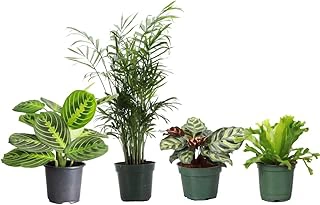
Thorsen's Greenhouse Live Pet Safe Houseplants, 4-Pack
At $45.99, this four-plant bundle offers the lowest per-plant cost in the roundup - just under multiple each - making it a practical choice if you're starting from scratch or want to fill multiple corners of a small apartment without stretching your budget. The assortment ships from Thorsen's Greenhouse and carries the same 4.3 rating as the three-pack, though individual plant size may be slightly smaller to accommodate the extra variety.
Expect compact species suited to limited square footage: Peperomia varieties are common in the mix, and most selections stay under eight inches tall when potted. This scale works well on narrow windowsills, desk corners, or clustered on a floating shelf where height isn't an option. Because you receive four plants at once, you can experiment with grouping them to create visual density even in a studio layout.
The tradeoff is predictability. Multi-plant bundles often arrive with less control over which exact varieties you'll receive, so if you have strong preferences for leaf shape or color, confirm the current selection before ordering. Pot sizes and drainage features also vary by shipment; check the listing details to ensure they match your setup, especially if you plan to keep the included containers rather than repotting immediately.
Compared to the three-pack at a higher total price, this option prioritizes quantity and coverage over individual plant maturity. If your goal is to spread greenery across several small surfaces quickly and affordably, the four-pack delivers better value. For readers who prefer fewer, slightly larger specimens with more predictable variety, the three-pack remains the alternative.
- ✅ Lowest per-plant cost at approximately $11.50 each
- ✅ Four plants provide more coverage for small spaces on a tight budget
- ✅ Compact Peperomia varieties fit narrow windowsills and shelves
- ⚠️ Individual plant size may be smaller than the three-pack option
- ⚠️ Less control over which specific varieties arrive in the bundle
- ⚠️ Pot sizes and drainage features vary by shipment
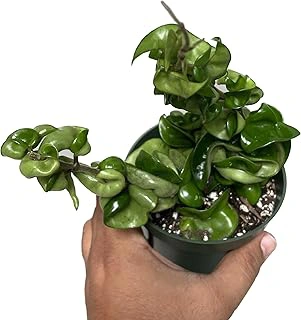
Hoya Compacta aka Hoya Hindu Rope or Krinkle Kurl Plant, 2 Plants
For readers working with a tight budget or looking to fill multiple spots without a large investment, this two-plant Hoya Compacta set offers the most affordable entry point in this guide at $15.50. Each plant arrives as a starter, so expect modest size and slower initial growth compared to more mature specimens. The 4.2 rating reflects variability in plant maturity at delivery - some buyers receive well-rooted cuttings ready to trail, while others report smaller, less-established starts that need patient care before showing the signature curled, rope-like foliage.
The value proposition here is flexibility: two separate plants mean you can place one in a bedroom and another in a living room, share with a friend, or keep a backup as you learn Hoya care habits. Because these are young plants, they adapt well to different light conditions as they establish, though they will grow more compact and produce thicker leaf clusters near a bright, indirect window. The smaller root systems also mean less frequent watering and a reduced risk of root rot during the first few months.
Pet safety remains solid - Hoya Compacta is non-toxic to cats and dogs, and the waxy, tightly curled leaves are less enticing to chew than broad, soft foliage. The tradeoff is patience: these starters may take a season or two to develop the cascading habit and dense texture that make mature Hindu Rope plants visually striking. If you prefer immediate presence and fuller growth, a single, more mature plant at a higher price point will deliver faster results. But for budget-conscious plant collectors or those testing their ability to keep a Hoya thriving, this set provides room to experiment without financial pressure.
Before purchasing, check recent reviews on the listing to confirm current pot size and plant maturity, as inventory can shift between suppliers. This two-plant option works best when you value affordability and the opportunity to grow your collection gradually, rather than instant visual impact.
- ✅ Most affordable option in the guide at $15.50 for two plants
- ✅ Flexibility to place in multiple rooms or share
- ✅ Non-toxic to cats and dogs with less-tempting waxy foliage
- ✅ Smaller root systems reduce watering frequency and rot risk during establishment
- ⚠️ Starter size requires patience before visible trailing growth
- ⚠️ Variable maturity at delivery based on 4.2 rating
- ⚠️ Less immediate visual impact than mature single-plant options
Quick Comparison: Which Pet-Safe Plant Fits Your Space?
- Single statement plant for a shelf or corner: Hoya Compacta single plant ($17.75)
- Backup or alternative Hoya source: California Tropicals Hindu Rope ($17.99)
- Instant variety with minimal shopping effort: Thorsens 3-pack ($53.99)
- Best value for filling multiple small spaces: Thorsens 4-pack ($45.99)
- Lowest cost for gifting, propagation, or trying Hoyas: 2-plant Hoya set ($15.50)